
The best hikes in Peru range from a one day climb to a turquoise glacier lake to a twelve day circuit over passes near 5,000 m.
Five of them lead to Machu Picchu, but only the two Inca Trail routes arrive on foot through the Sun Gate.
We are a licensed local operator in Cusco and our guides walk these routes every week.
Below you will find a quiz that matches you with the right trek, a comparison of the 12 best hikes in Peru, and the 2026 rules for permits and fees.
Which Peru hike is right for you?
Answer 5 quick questions and we will match you with one of our treks.
Best hikes in Peru at a glance
| Hike | Days | Highest point | Difficulty | Ends at Machu Picchu | Permit |
|---|---|---|---|---|---|
| Classic Inca Trail | 4 | 4,215 m | Moderate | Yes, on foot | Yes, sells out |
| Salkantay Trek | 4 or 5 | 4,630 m | Challenging | Aguas Calientes | No |
| Short Inca Trail | 2 | about 2,700 m | Easy | Yes, on foot | Yes |
| Inca Jungle Trek | 3 or 4 | about 4,300 m by bike | Easy to moderate | Aguas Calientes | No |
| Lares Trek | 3 or 4 | about 4,400 to 4,600 m | Moderate | By train | No |
| Choquequirao | 4 or 5 | about 3,050 m | Hard | No | No |
| Ausangate Circuit | 5 or 6 | about 5,100 m | Very hard | No | No |
| Santa Cruz (Huaraz) | 4 | 4,750 m | Moderate | No | Park fee |
| Huayhuash (Huaraz) | 8 to 12 | about 5,000 m | Very hard | No | Community fees |
| Rainbow Mountain | 1 | 5,036 m | Moderate | No | No |
| Humantay Lake | 1 | 4,200 m | Easy to moderate | No | No |
| Huayna Picchu | A few hours | 2,693 m | Easy but steep | Inside Machu Picchu | Special ticket |
Swipe the table sideways to see more →
Distances and altitudes outside the Inca Trail come from guides and operators, not from an official survey, so treat them as close estimates.
Best hikes in Peru that end at Machu Picchu
1. Classic Inca Trail: 4 days, moderate
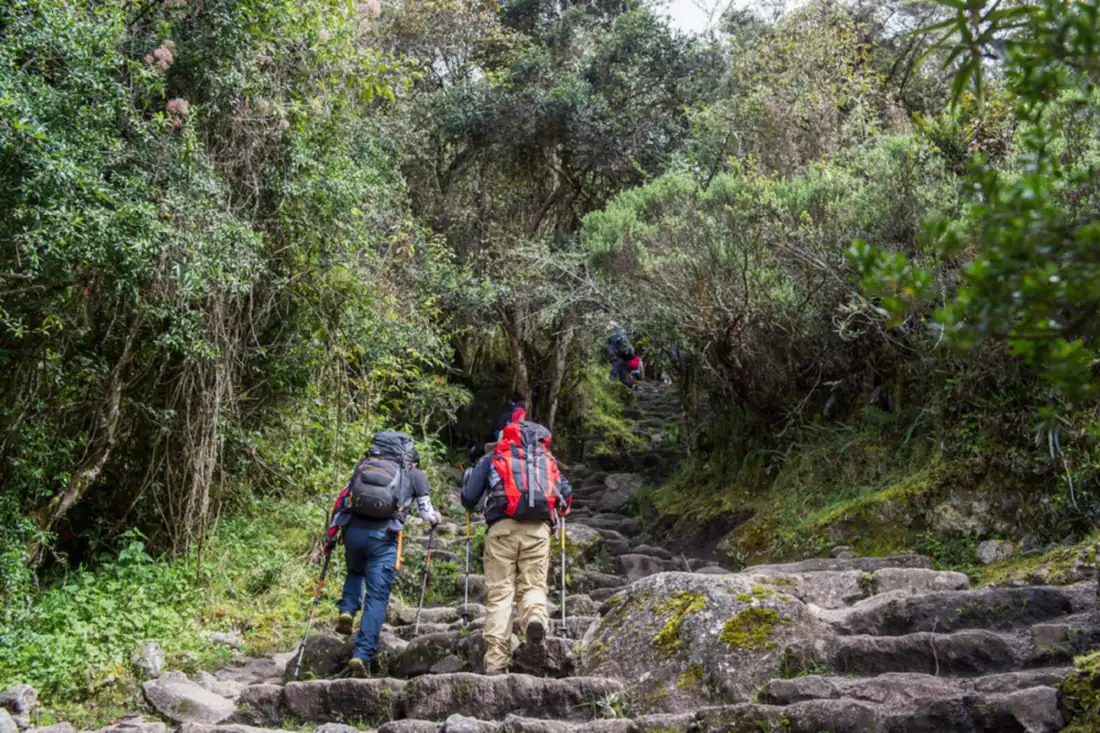
The Classic Inca Trail starts at km 82 near Ollantaytambo and covers about 42 km to Machu Picchu. It passes several Inca sites on the way and enters the citadel through the Sun Gate.
Day 2 climbs about 1,200 m to Dead Woman’s Pass at 4,215 m, the hardest stretch. Porters carry the camp, so you only carry a daypack.
It is the only hike here that needs a permit sold through licensed agencies, with a guide. The 2026 cost is S/444 (about $129), permit plus Machu Picchu ticket, and the trail closes every February.
Read our Inca Trail permit guide or see our Inca Trail 4 Days.
2. Salkantay Trek: 4 or 5 days, challenging
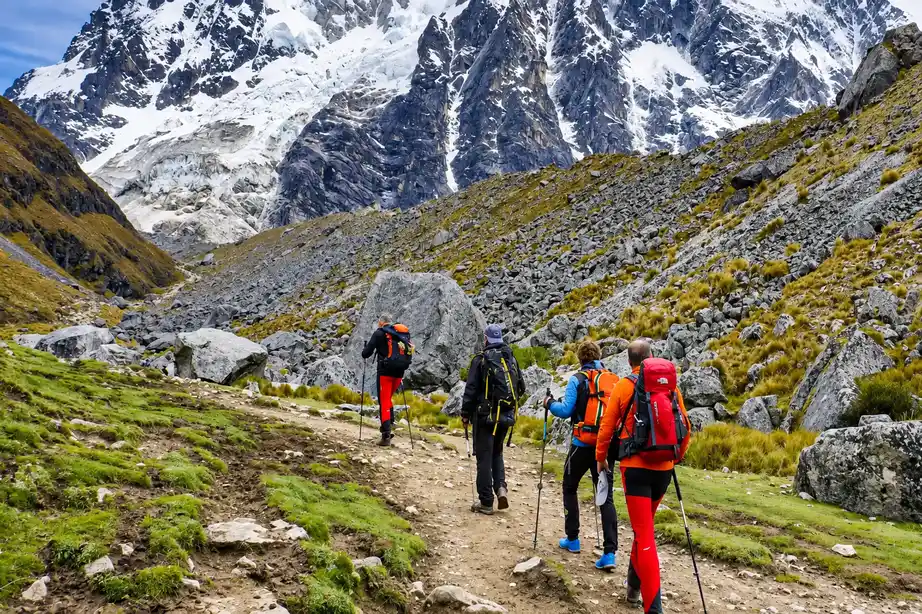
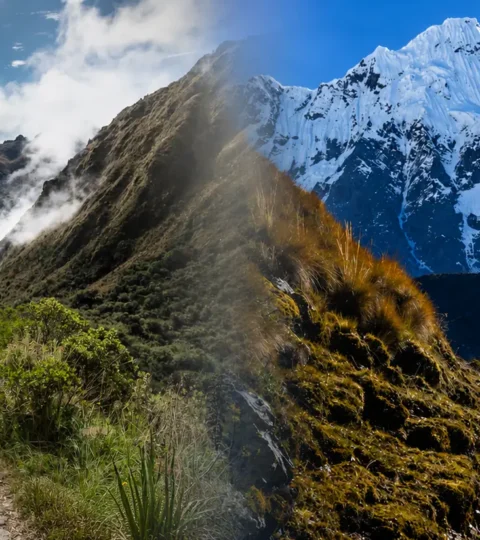
The Salkantay Trek crosses the Salkantay Pass at 4,630 m, under a glacier of 6,271 m, then drops about 2,000 m into cloud forest and coffee farms before Aguas Calientes. It covers about 70 km.
No permit is needed, so it is the best choice when Inca Trail permits are sold out. The first night is the coldest, near 3,900 m; we sleep in Sky Domes.
See our complete Salkantay Trek guide, the Salkantay Pass guide and our Salkantay Trek 5 Days.
3. Short Inca Trail: 2 days, easy
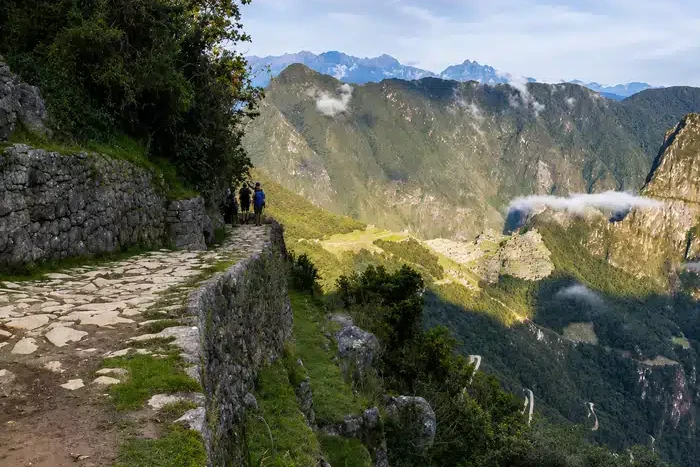
The Short Inca Trail starts at km 104 and walks about 12 km past Wiñay Wayna to the Sun Gate, climbing from about 2,100 m to 2,700 m. It is the easiest way to arrive at Machu Picchu on foot.
It also needs a permit and a licensed agency: S/374 (about $108) with the Machu Picchu ticket in 2026, with 250 places a day. Our Inca Trail 2 Days adds a full guided visit on day 2.
4. Inca Jungle Trek: 3 or 4 days, easy to moderate
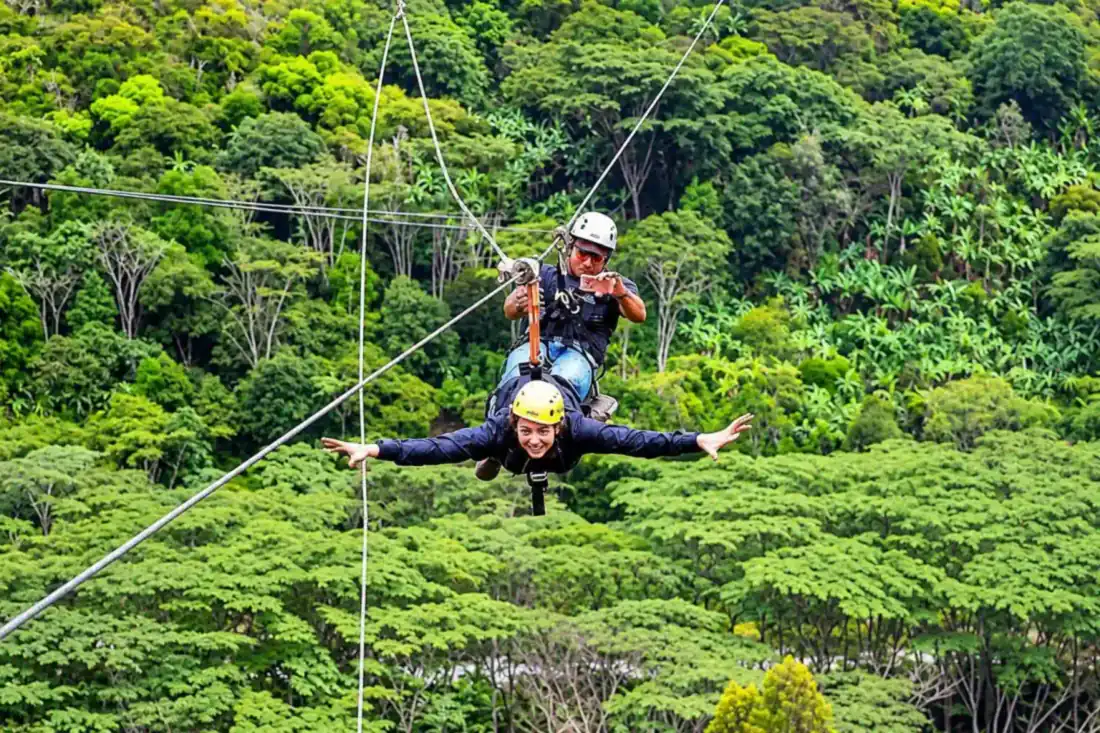
The Inca Jungle Trek starts with a downhill bike ride from Abra Málaga, about 4,300 m, which you reach by vehicle. Then you hike through Santa Teresa and along the railway from Hidroeléctrica to Aguas Calientes.
Most walking is below 2,500 m, so heat and humidity matter more than altitude. Zipline and hot springs make it the best choice for adventure. See our Inca Jungle 4 Days.
5. Lares Trek: 3 or 4 days, moderate
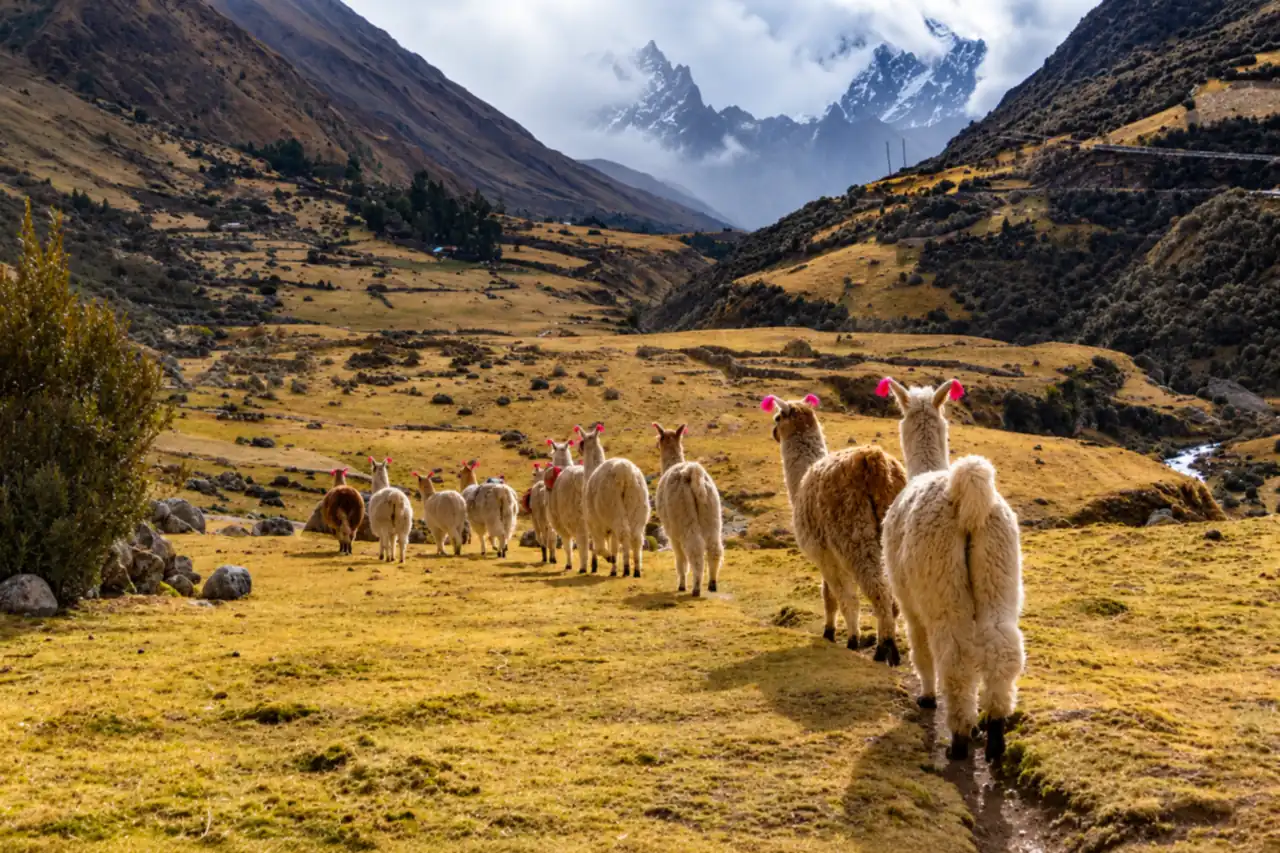
The Lares Trek crosses one or two passes of about 4,400 to 4,600 m between weaving villages of the Urubamba range. It ends near Ollantaytambo, and you reach Machu Picchu by train.
It is the best cultural trek on this list, with far fewer hikers than the Inca Trail. No permit is needed.
Best hikes in Peru for remote multi day treks
6. Choquequirao: 4 or 5 days, hard
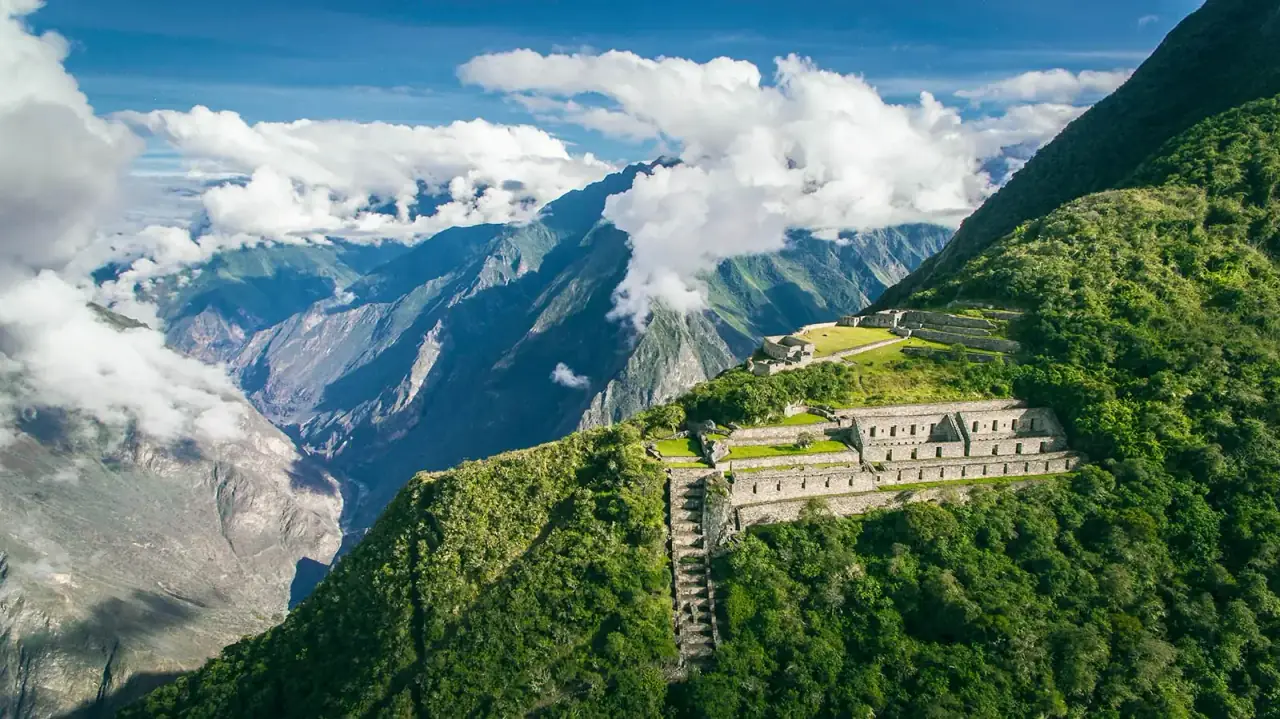
Choquequirao is a huge Inca city at about 3,050 m above the Apurímac canyon. To reach it you descend about 1,500 m to the river and climb the same back up, on each leg.
There is no road to the site, and only a few dozen people visit on most days. The entrance is about $17, in cash; a cable car has been announced, but not before 2027.
Read our Choquequirao guide or see our Choquequirao Trek 4 Days.
7. Ausangate Circuit: 5 or 6 days, very hard
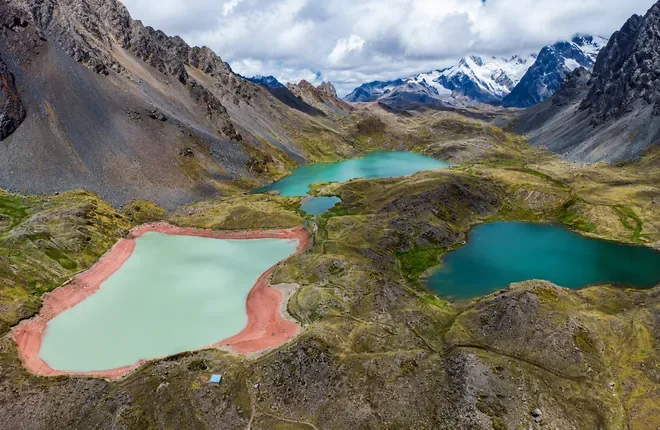
The Ausangate Circuit loops around Nevado Ausangate, at 6,384 m the highest peak of the Cusco region, for about 70 km. It crosses several passes above 5,000 m and you sleep between 4,400 and 4,700 m.
Nights fall well below freezing and the route is remote, with community fees paid in cash. For a one day taste, the Ausangate 7 Lakes hike reaches about 4,600 to 4,850 m.
8. Santa Cruz Trek, Huaraz: 4 days, moderate
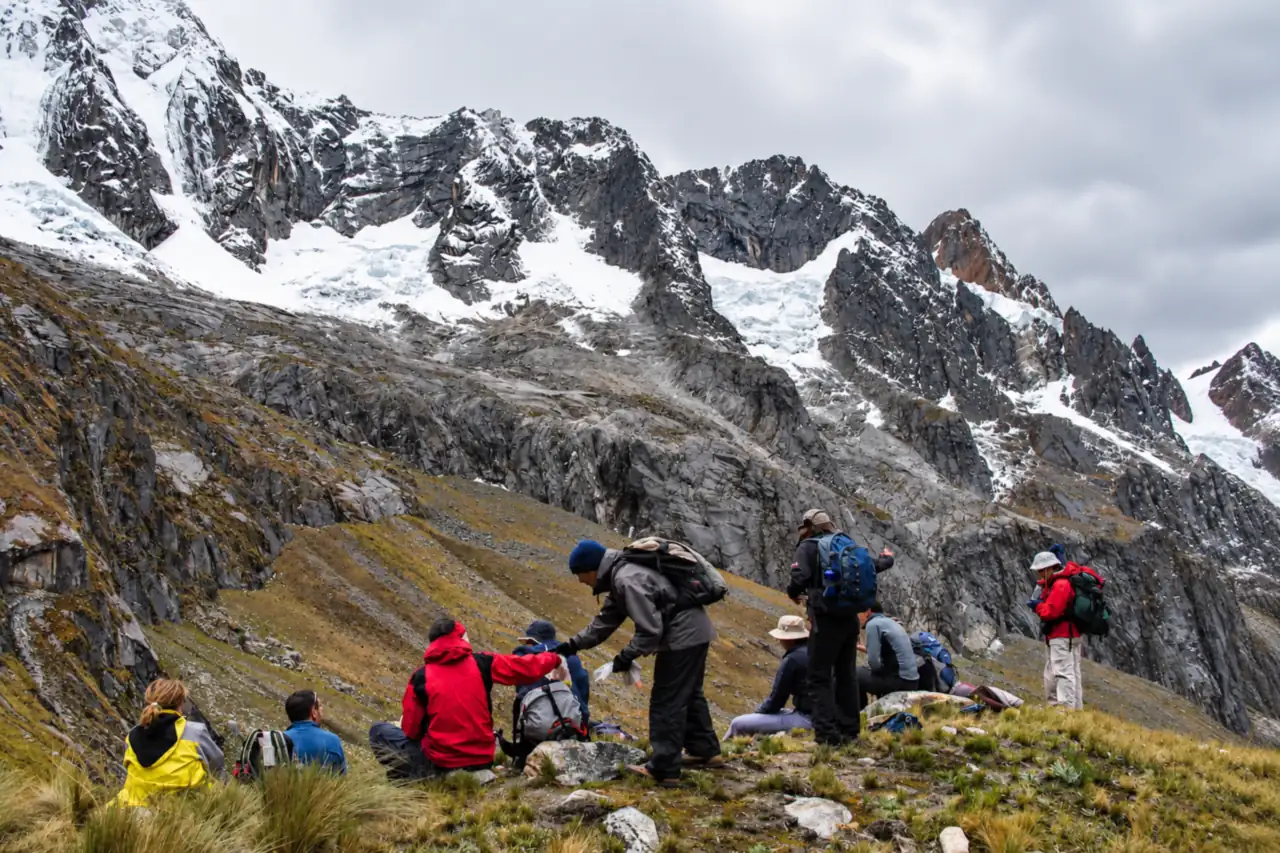
The Santa Cruz Trek crosses the Cordillera Blanca from Cashapampa to Vaquería over Punta Unión at 4,750 m, in about 50 km. It is the classic trek of Huaraz, about 8 hours by bus north of Lima.
It sits inside Huascarán National Park, which charges S/60 to S/150 for foreigners depending on the days. Since February 2026 nearby Laguna 69 can only be visited with an authorized operator.
9. Huayhuash Circuit, Huaraz: 8 to 12 days, very hard
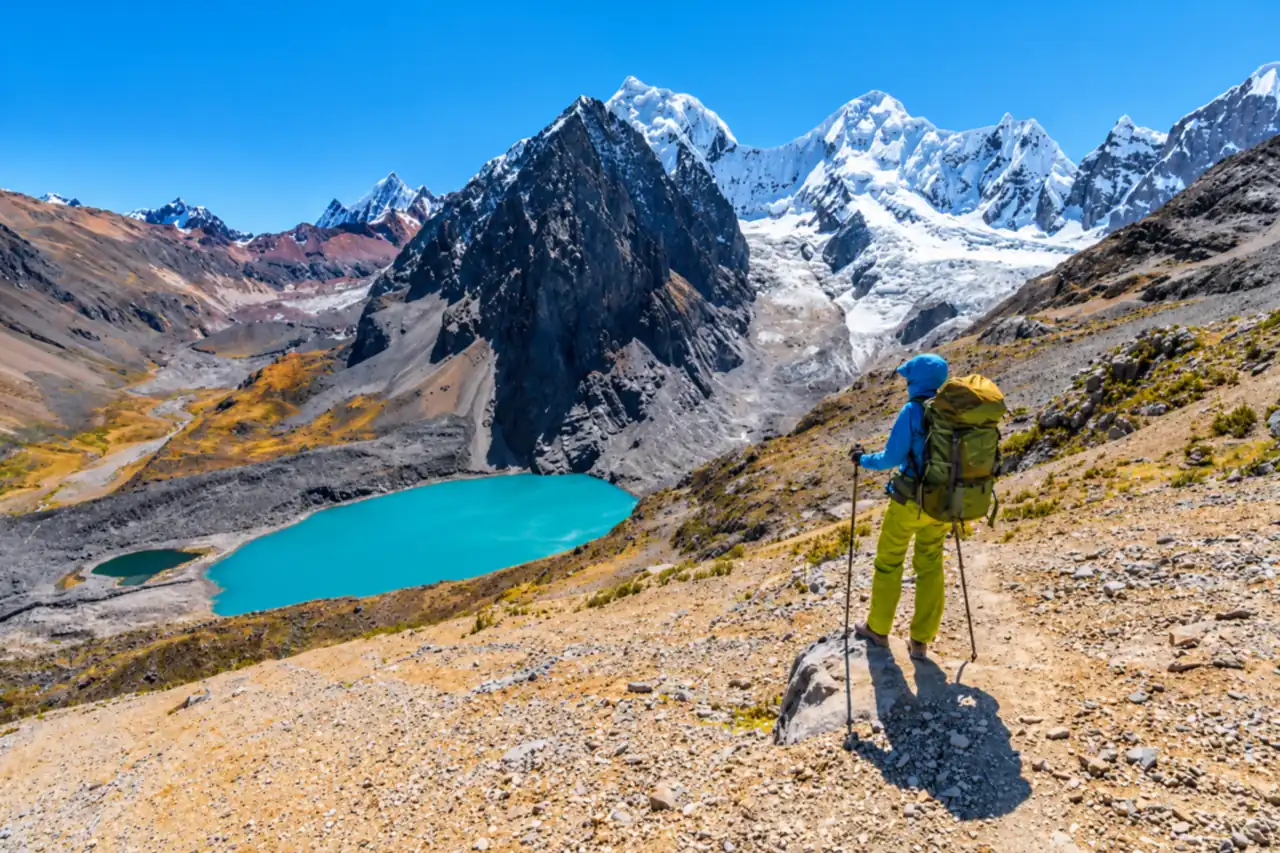
The Huayhuash Circuit is often called the most beautiful trek in Peru. It covers 100 to 130 km and crosses eight or more passes between about 4,600 and 5,000 m.
There are no roads, so it needs mules and full camping. The communities along the way charge fees, about S/280 in total in 2026, in cash.
Best day hikes in Peru
10. Rainbow Mountain: 1 day, moderate
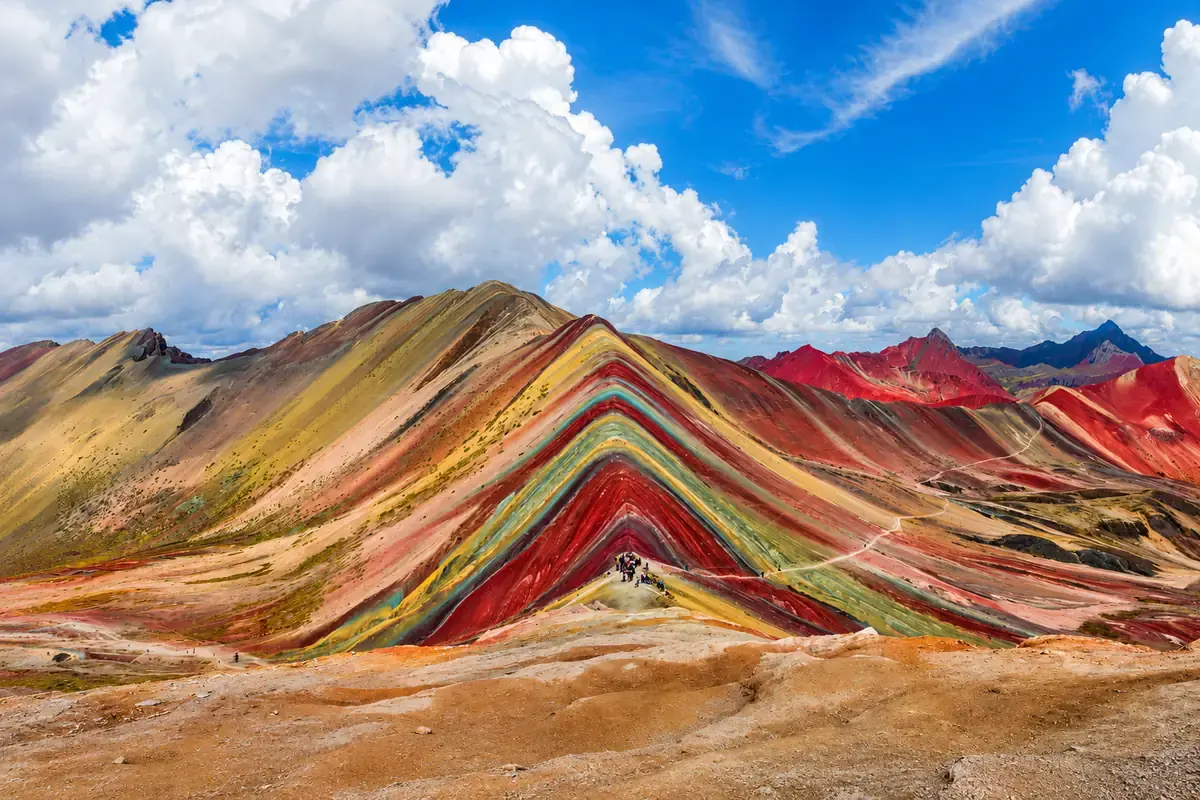
Rainbow Mountain (Vinicunca) tops out at 5,036 m. You start walking at about 4,600 m, so the walk is short, but the altitude makes it harder than it looks for a day trip from Cusco.
The entrance is about S/25 to S/30 depending on the access, plus S/10 for the Red Valley. For fewer people, Palcoyo shows three colored mountains on an easy 3 km walk.
See our Rainbow Mountain altitude guide, our Rainbow Mountain + Red Valley tour and the Palcoyo tour.
11. Humantay Lake: 1 day, easy to moderate
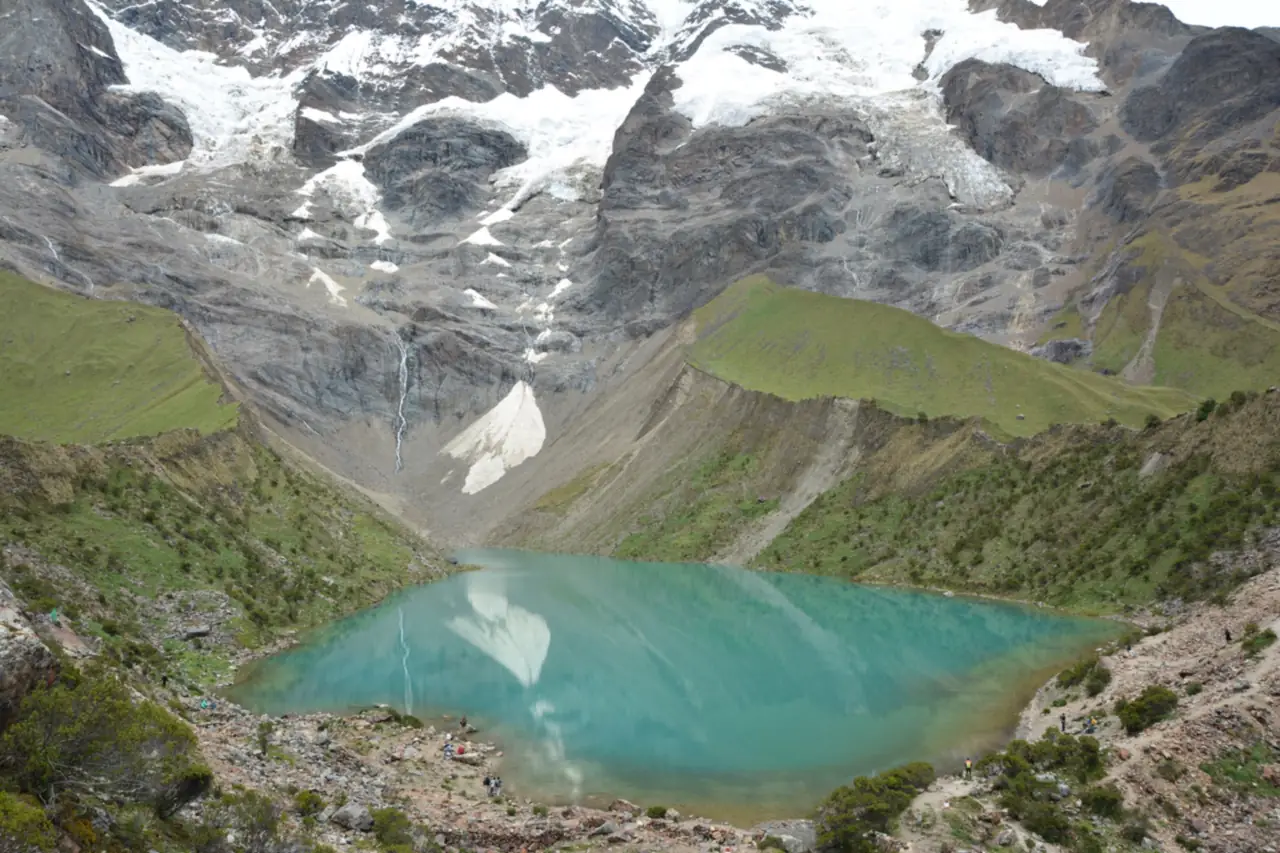
Humantay Lake sits at 4,200 m under Nevado Humantay. From Soraypampa it is a steep climb of 1.5 to 2 hours, about 4 to 6 km round trip.
The entrance is 20 soles for foreigners, and horses for the climb cost 80 to 100 soles. In 2026 the area closed from February 6 to March 6 after a landslide (RPP).
Read our Humantay Lake guide or see our Humantay Lake 1 Day.
12. Huayna Picchu: a few hours, easy but steep
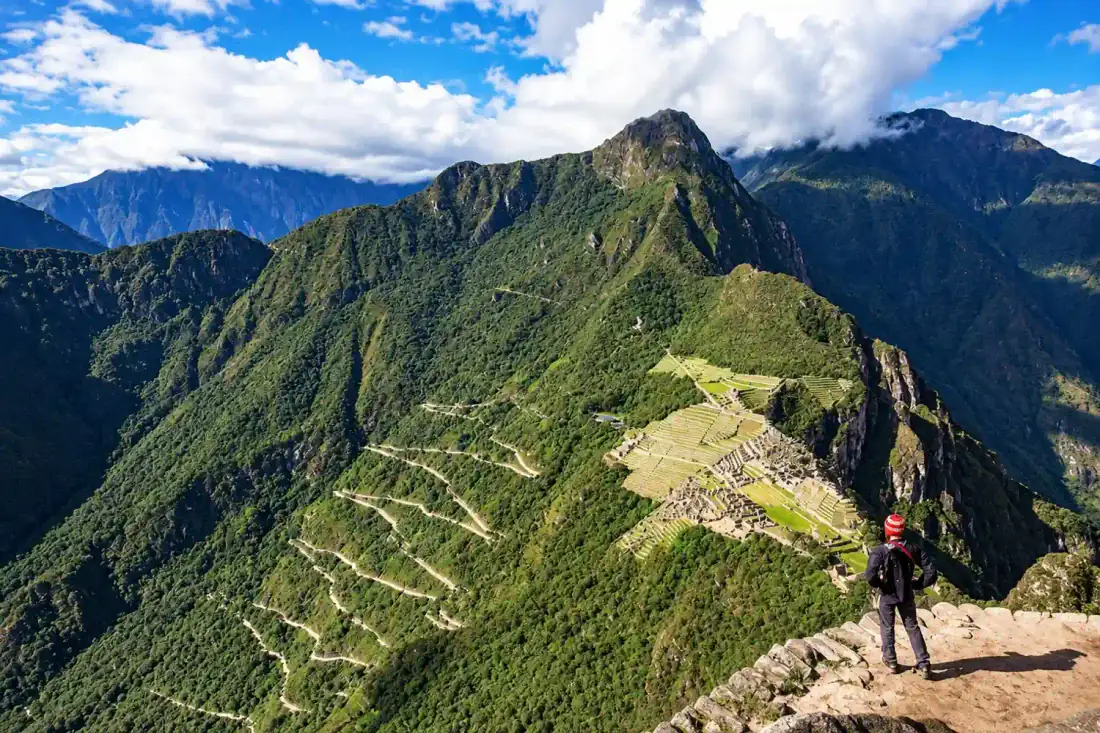
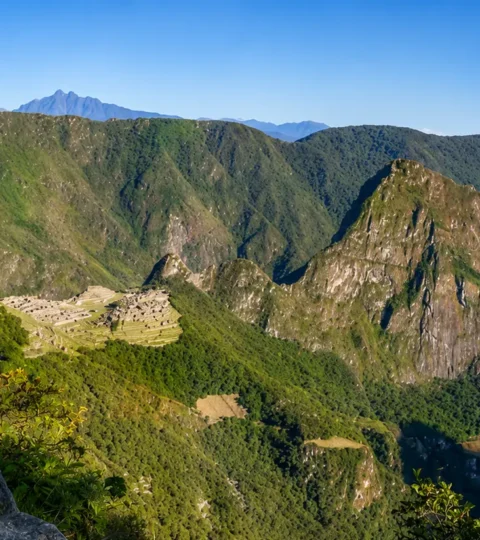
Huayna Picchu is the peak behind Machu Picchu, about 2,693 m. The climb is short but uses steep Inca stairs with exposed drops, not a good idea if you suffer from vertigo.
It needs its own ticket, 200 soles plus the 11 sol SERNANP fee in 2026, and it sells out early. Compare it with the other two peaks in our Huayna Picchu guide.
Qoyllur Rit’i (Qoyllority): the pilgrimage every traveler should know
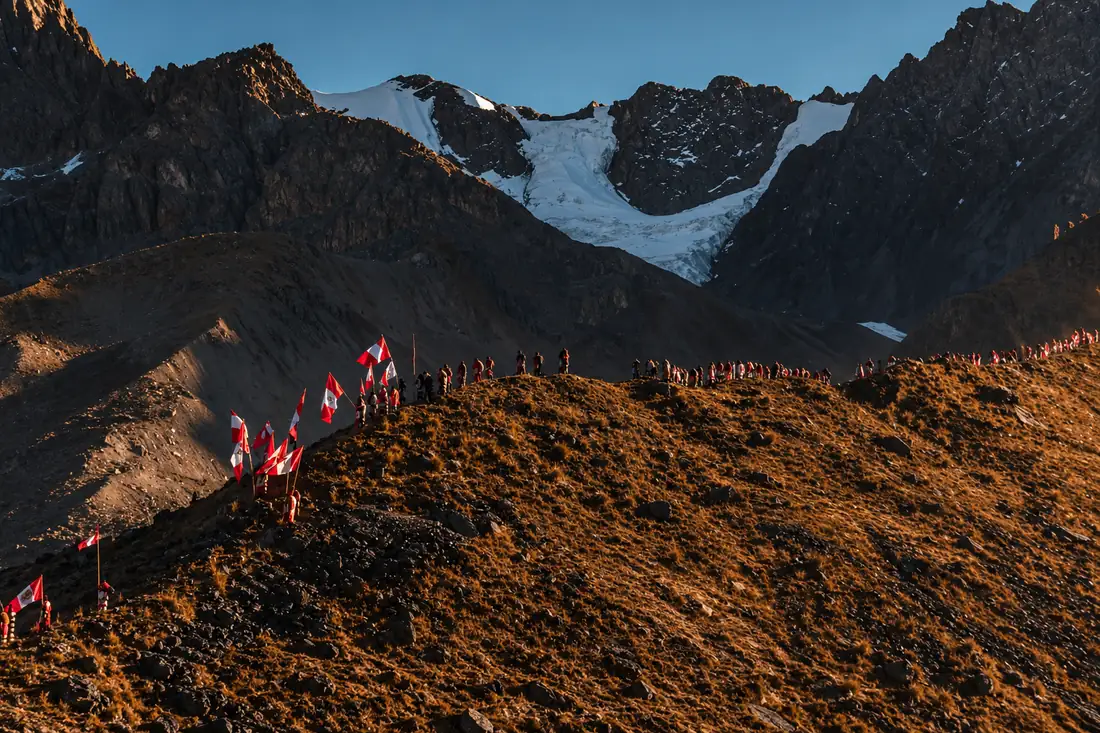
Qoyllur Rit’i, also written Qoyllority, means “star snow” in Quechua. It is the largest pilgrimage of the Andes and one of the most moving experiences in Cusco.
Every year about 90,000 pilgrims walk to the sanctuary of the Lord of Qoyllur Rit’i (Señor de Qoyllority), in the Sinakara valley at about 4,700 m.
UNESCO added it to the Intangible Cultural Heritage of Humanity in 2011 (UNESCO). It joins Catholic faith with the ancient worship of the mountains, the apus.
How the pilgrimage works
From Cusco, a bus takes about 3 to 4 hours to Mahuayani, near Ocongate on the road to Ausangate. From there pilgrims walk about 8 km uphill to Sinakara, past crosses and small shrines.
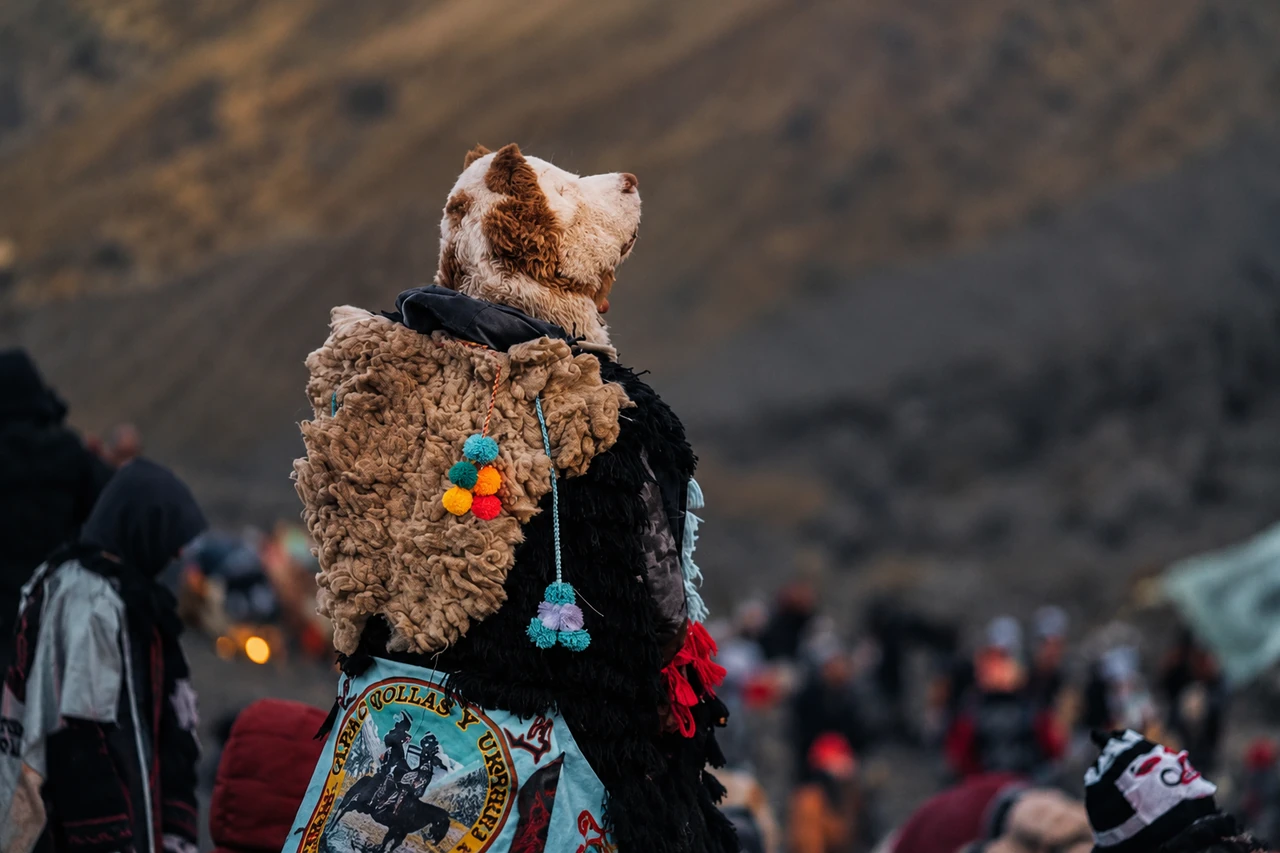
Pilgrims arrive in eight “nations” from the villages around Cusco, with music and dancers. At night the ukukus, dancers dressed as mythical bear men, climb the glacier with candles and come down at dawn, the most famous moment of the festival.
Most visitors spend 2 or 3 days: the trip and the walk up, a night camping at the sanctuary among thousands of pilgrims, and the descent. Nights fall well below freezing, so bring your warmest gear.
When it happens and how to go
The date moves with Easter: the pilgrimage takes place in the week before Corpus Christi, in late May or June. In 2027, Corpus Christi falls on May 27.
It is a religious festival, not a tourist show. Ask before taking photos, follow the customs of the pilgrims and go with a local guide who can arrange transport and a camp at Sinakara.
The best hikes in Peru ranked from easiest to hardest
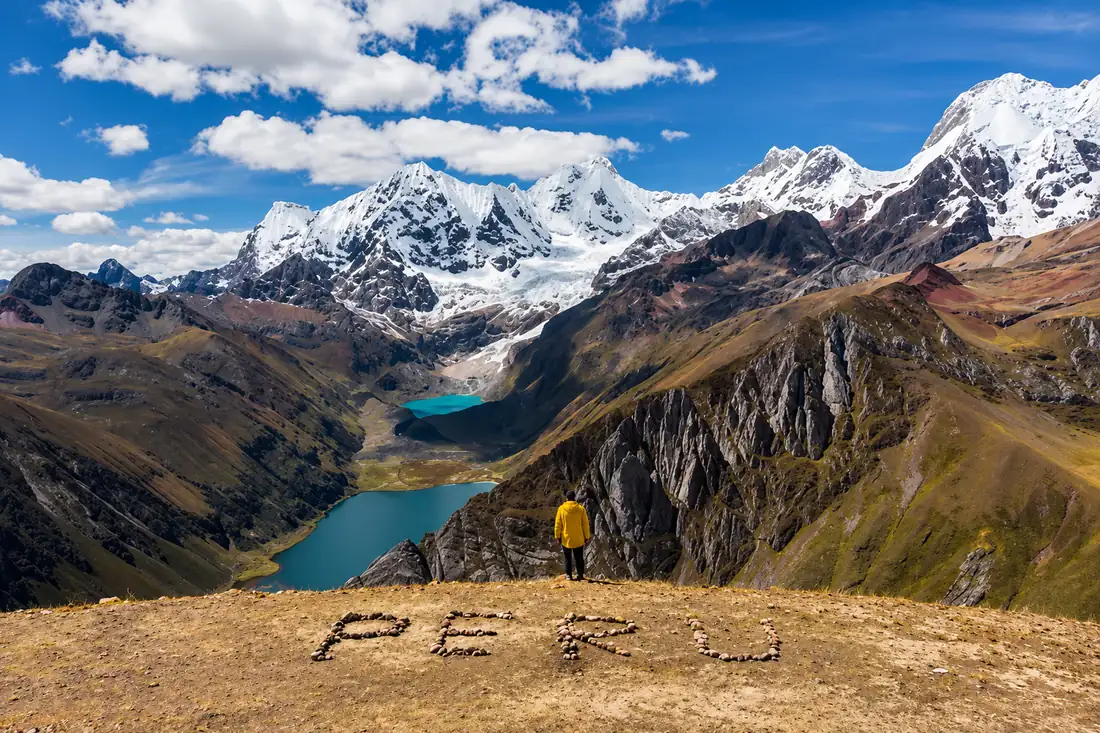
Our ranking weighs altitude, nights slept high, total climbing, days and how remote each trek is.
- Short Inca Trail: one day of walking, below 2,700 m.
- Huayna Picchu: short, but steep and exposed.
- Humantay Lake: a steep climb of about 300 m at altitude.
- Inca Jungle Trek: low and supported, the high point is by bike.
- Rainbow Mountain: short, but near 5,000 m on a day trip.
- Lares Trek: moderate distance, passes above 4,400 m.
- Santa Cruz: one high pass and gentle valleys.
- Classic Inca Trail: long staircases and a pass of 4,215 m.
- Salkantay Trek: the highest pass to Machu Picchu and a cold first night.
- Choquequirao: 1,500 m of descent and climb in a hot canyon, twice.
- Ausangate Circuit: passes above 5,000 m and freezing nights.
- Huayhuash Circuit: 8 to 12 days and repeated passes near 5,000 m.
How long and how hard is the hike to Machu Picchu?
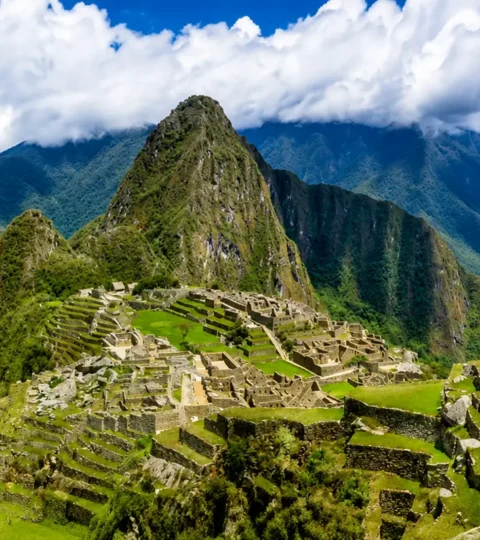
It depends on the route. Machu Picchu itself sits at about 2,430 m, lower than Cusco, so the challenge is the trek that leads there, not the site.
| Route | Walking days | Distance | Highest point |
|---|---|---|---|
| Classic Inca Trail | 4 | about 42 km | 4,215 m |
| Short Inca Trail | 1 | about 12 km | about 2,700 m |
| Salkantay Trek | 4 or 5 | about 70 km | 4,630 m |
| Inca Jungle Trek | 3 or 4 | 40 to 55 km plus bike | about 4,300 m by bike |
| Hidroeléctrica to Aguas Calientes | 2.5 to 3 hours | about 11 km | about 2,040 m |
| Aguas Calientes to the citadel | about 1.5 hours | about 400 m of stairs | about 2,430 m |
Swipe the table sideways to see more →
The walk up from Aguas Calientes follows steep Inca stairs, often quoted at around 1,700 steps. Most visitors take the bus instead, but in 2026 the bus road has had service disputes, so plan time to walk.
If you can walk 5 to 6 hours with breaks, you can do the Inca Trail. The harder part is altitude: spend 2 or 3 days in Cusco or the Sacred Valley first. There is no official minimum age for the Inca Trail.
Best time to hike in Peru
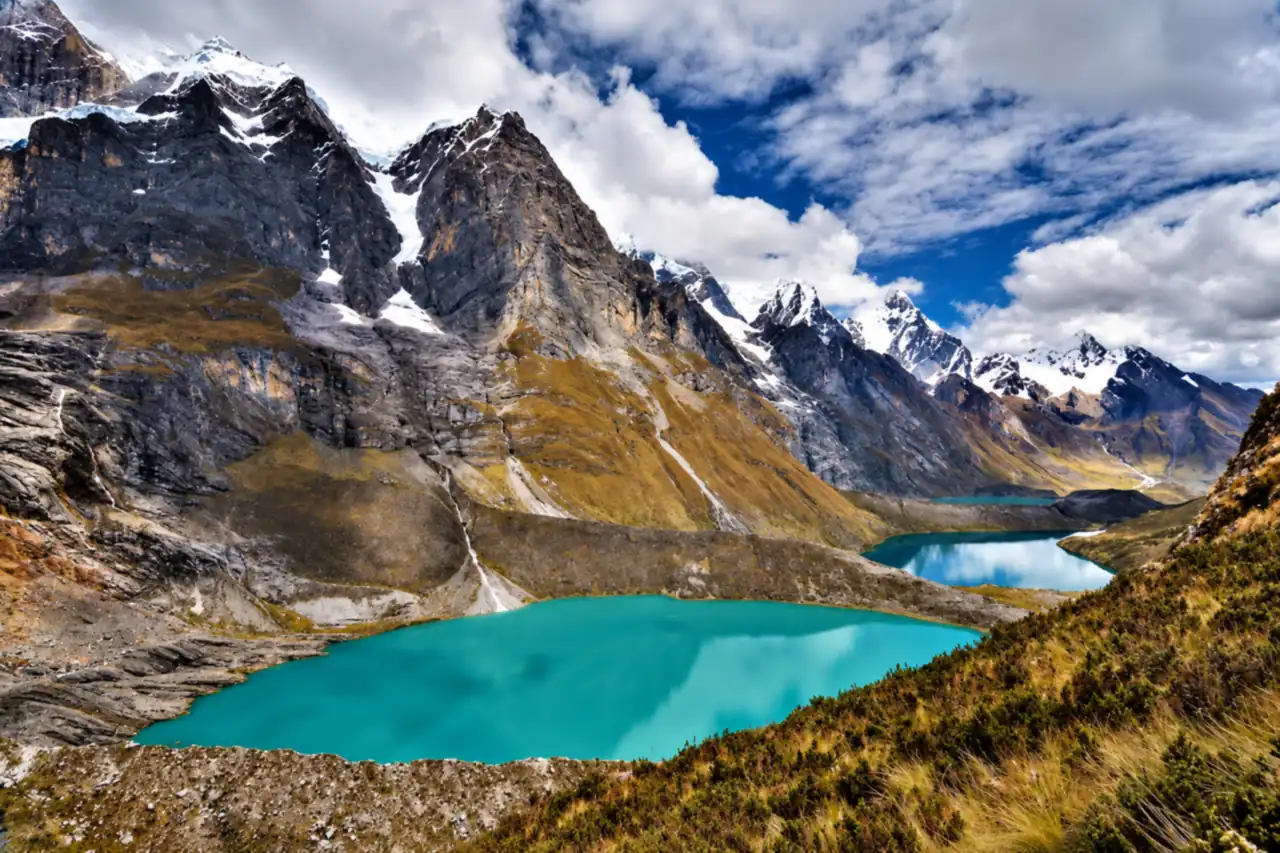
May to September is the dry season in both Cusco and Huaraz, with clear days and the coldest nights in June and July. Huaraz treks such as Santa Cruz and Huayhuash run almost only in these months.
From November to March it rains most afternoons, and January and February are the wettest. The Inca Trail closes every February. April and October are good months with fewer people.
For month by month detail, read our best time to hike the Inca Trail.
Altitude: how to prepare
Cusco sits at 3,399 m and most of these hikes go higher, between 4,200 and 5,000 m. Spend at least 2 days in Cusco or the lower Sacred Valley before any trek, drink water and walk slowly.
Our guides carry emergency oxygen on every trek. For symptoms and medication, see our Sacred Valley and Cusco altitude guide and the Salkantay Trek difficulty guide.
Permits, guides and booking ahead
Only the Inca Trail needs a permit. Since September 2026 only agencies registered with the Ministry of Culture in Cusco can buy it on tuboleto.cultura.pe, paid at once and issued in your name.
Permits for 2026 went on sale in November 2025, and the months from May to September sold out within days. For other months, book 3 to 5 months ahead.
Salkantay, Lares, Choquequirao, Ausangate and Huayhuash need no permit and, as far as we could verify, no legally required guide. You still pay local entrance fees in cash, and a guide with oxygen makes the high passes far safer.
Hike Peru with a local team
We run the Inca Trail, Salkantay, Inca Jungle and Choquequirao treks, plus day hikes to Rainbow Mountain, Palcoyo, Humantay and Ausangate. Not sure which of the best hikes in Peru suits you? Take the quiz at the top of this page.
Best hikes in Peru: frequently asked questions
What is the best hike in Peru?
For Machu Picchu, the Classic Inca Trail is the best, because it is the only route that arrives on foot through the Sun Gate. For mountain scenery, the Salkantay Trek in Cusco and the Huayhuash Circuit in Huaraz are the most spectacular.
What is the hardest hike in Peru?
The Huayhuash Circuit: 8 to 12 days, eight or more passes near 5,000 m and no roads. The Ausangate Circuit is a close second.
What is the easiest hike to Machu Picchu?
The Short Inca Trail, about 12 km in one day from km 104, below 2,700 m. The Inca Jungle Trek is the easiest multi day option, since its high point is reached by bike.
Inca Trail or Salkantay: which is better?
The Inca Trail is best for history and the Sun Gate arrival, but it needs a permit months ahead. Salkantay is higher and wilder, with no permit. Read our Salkantay vs Inca Trail comparison.
Can you hike to Machu Picchu without the Inca Trail?
Yes. Salkantay, Inca Jungle and Lares all reach Machu Picchu without an Inca Trail permit, finishing in Aguas Calientes on foot or by train. You only need a Machu Picchu ticket.
Do you need a guide to hike in Peru?
A guide is legally required on the Inca Trail and, since February 2026, at Laguna 69. On Salkantay, Choquequirao and the other treks it is not required by law, but it is strongly recommended for altitude and safety.
What is Qoyllur Rit’i (Qoyllority)?
Qoyllur Rit’i is the largest pilgrimage of the Andes, held every year in the week before Corpus Christi in the Sinakara valley near Ocongate, Cusco. About 90,000 pilgrims walk 8 km up from Mahuayani to about 4,700 m.