
The Short Answer
Salkantay Trek vs Inca Trail comes down to a handful of real differences, not marketing. If you only read one paragraph, here it is. Choose the Inca Trail if walking through the Sun Gate on foot is non negotiable for you and you can book six to eight months ahead. Choose Salkantay if you want bigger mountain scenery, a lower price, more flexible dates, and you are fine planning a bit closer to your trip.
And here is the part most articles skip, Salkantay is actually the higher and harder trek of the two, not the “easier alternative” it usually gets marketed as. This guide walks through what you actually see on each route, how available they really are, how hard each one is, what they cost, and the advantages and disadvantages that matter once you are standing at the trailhead with a backpack on.
What You Actually See on Each Route
Salkantay Trek
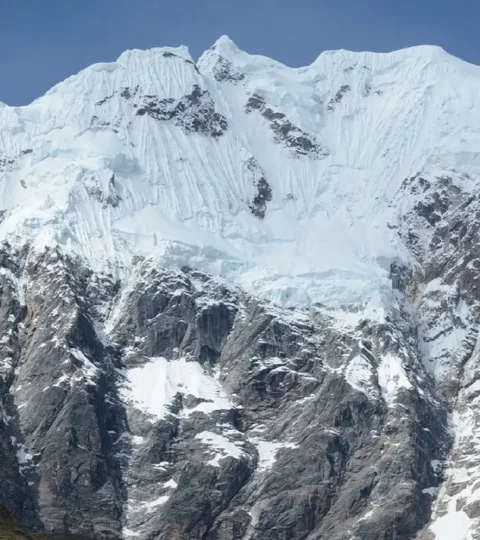
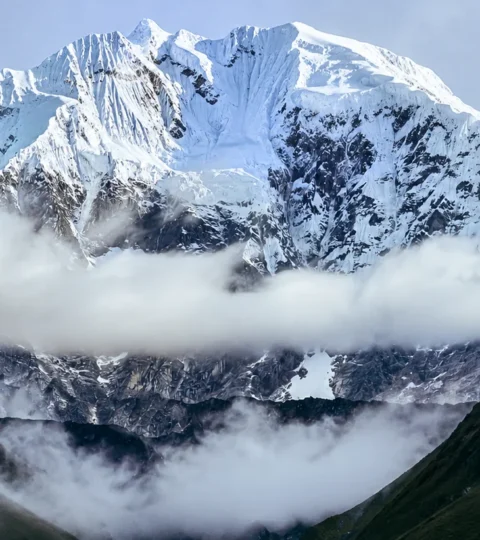
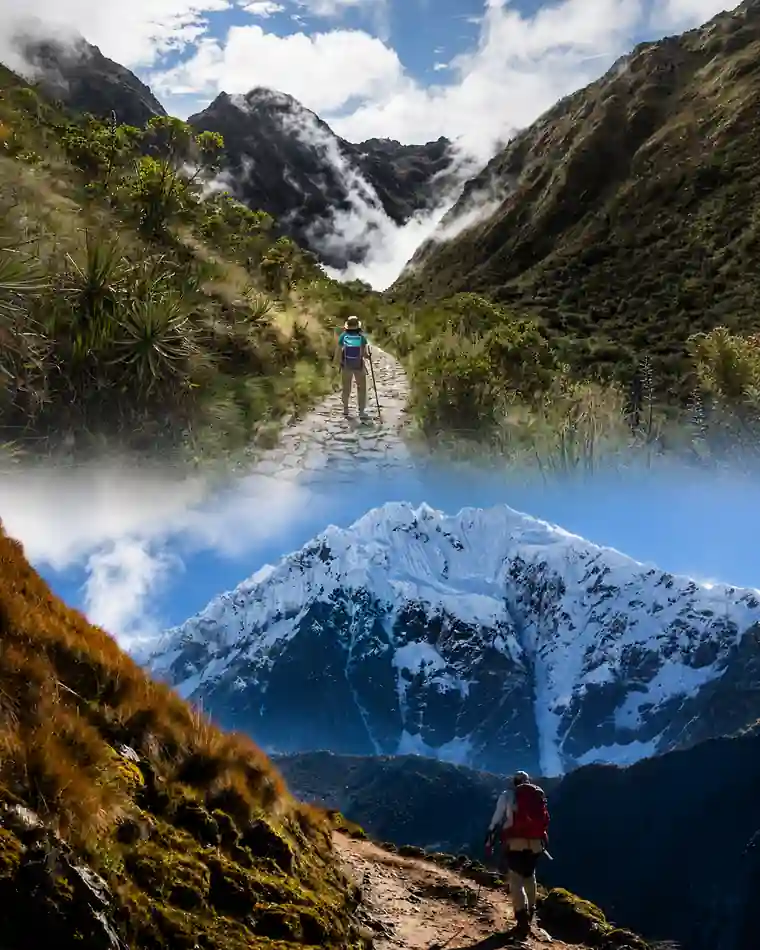
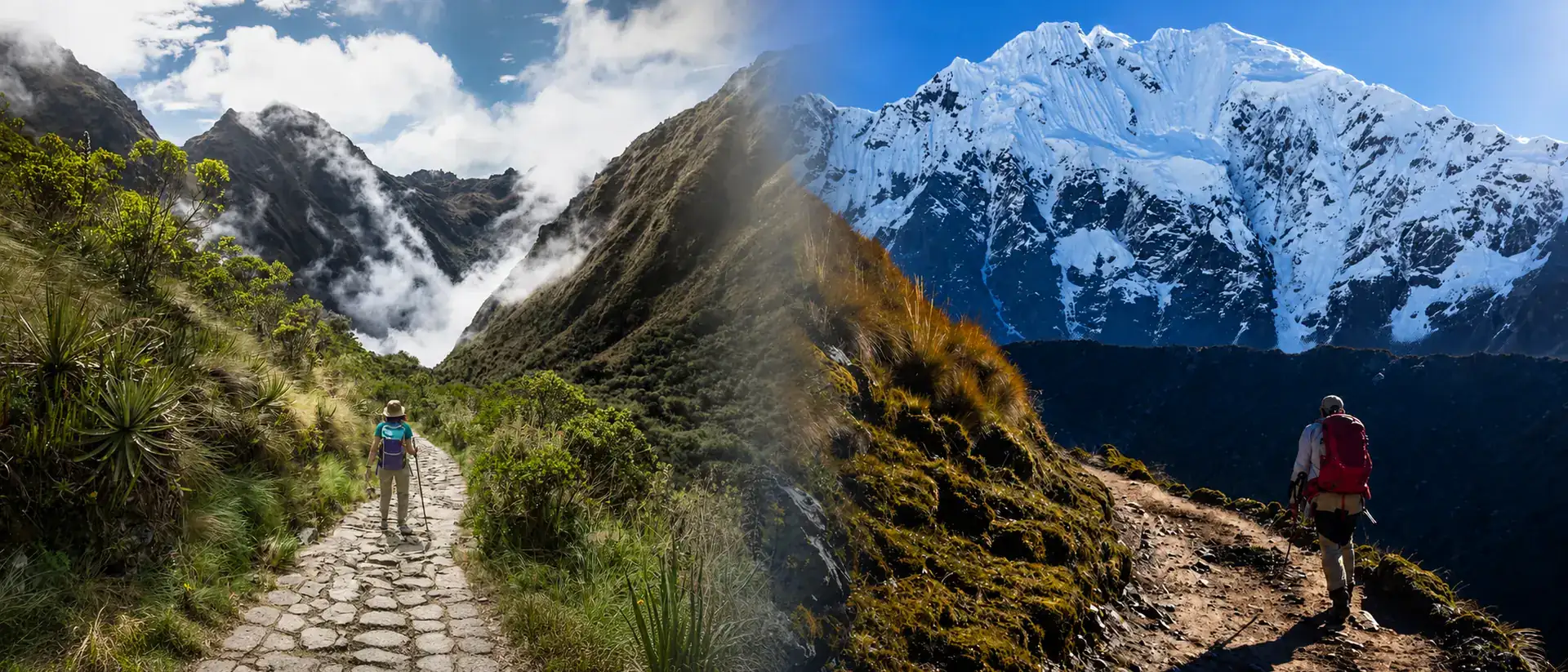
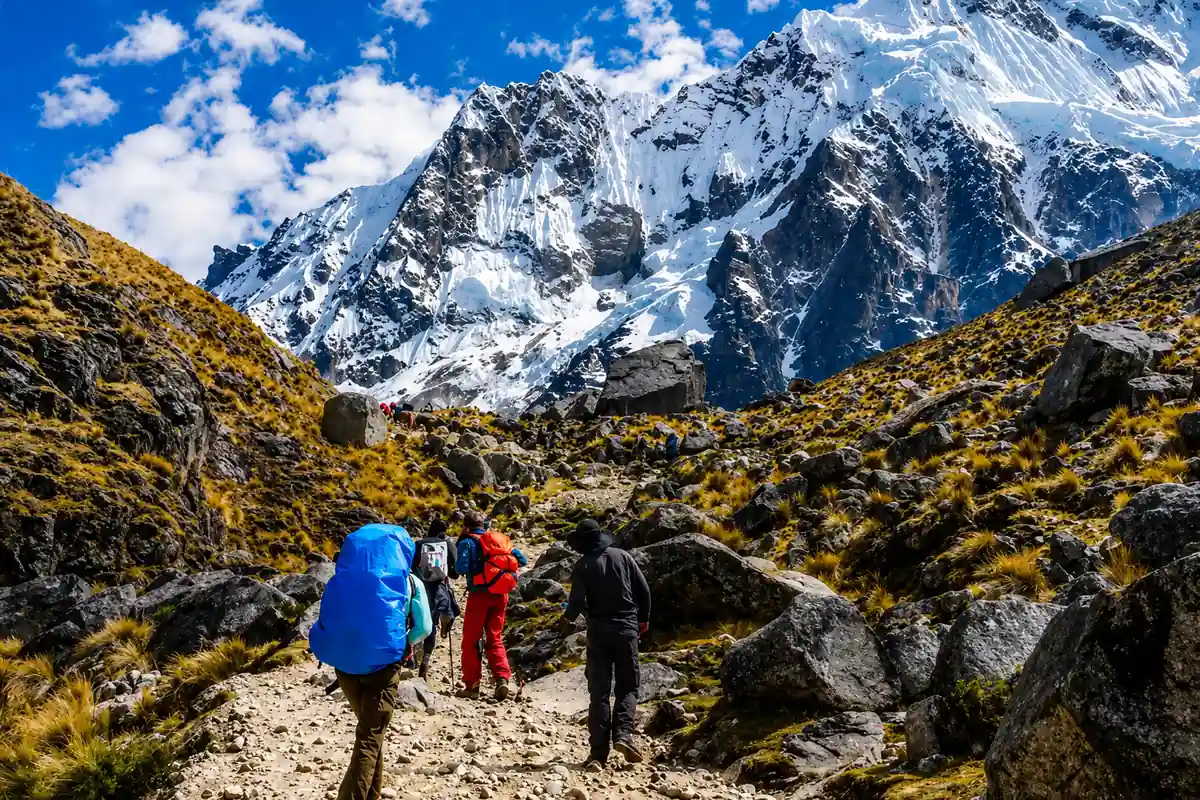
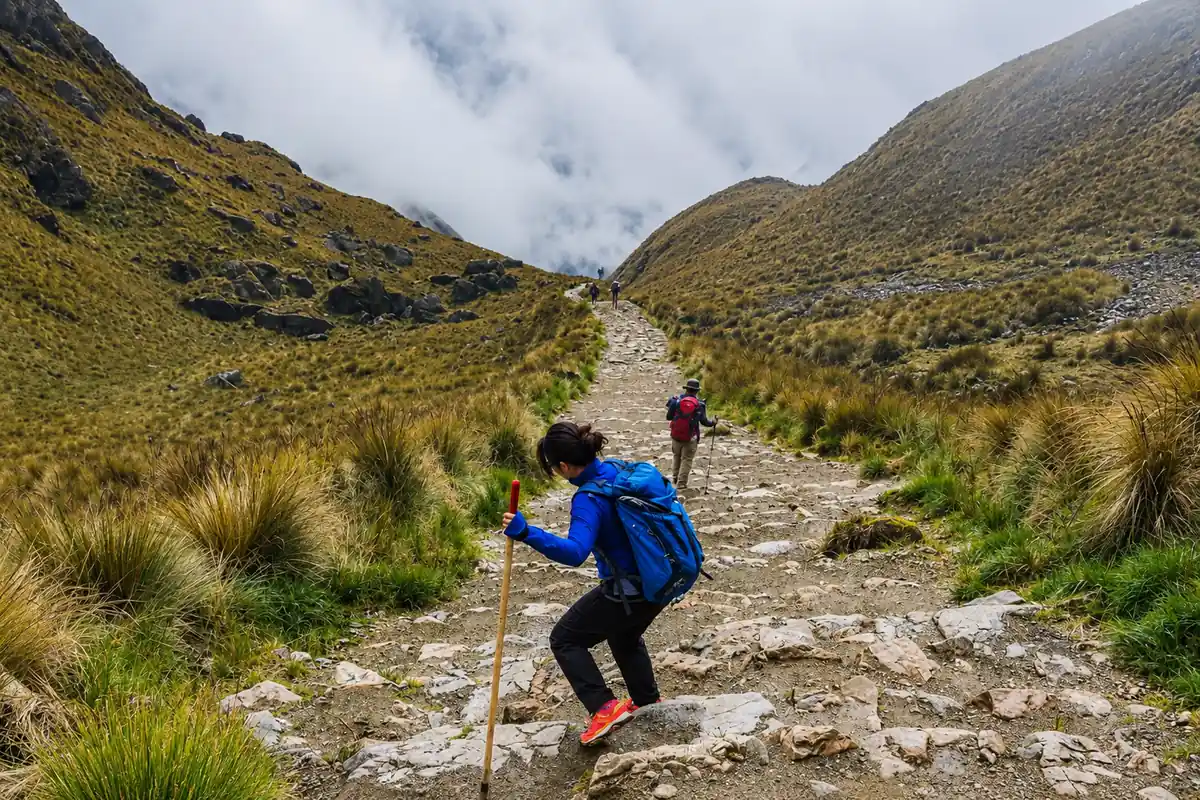
The Salkantay Trek is a high mountain journey before it is anything else. It climbs past the turquoise Humantay Lake, crosses the Salkantay Pass at 4,630 meters directly beneath the glaciers of Apu Salkantay, a 6,271 meter peak considered a sacred protector by Andean communities, then drops nearly 2,000 vertical meters into cloud forest.
From there the route passes a working coffee farm in Lucmabamba, hot springs at Cocalmayo or Santa Teresa depending on the operator, and on the longer itineraries a viewpoint at Llactapata with a rare side angle of Machu Picchu across the valley. The trek ends by road or rail through Aguas Calientes, not by walking directly into the citadel.
Inca Trail
The Inca Trail is the original road, a stone paved ceremonial route the Inca built in the 15th century and once reserved for nobility and priests. It passes real archaeological sites you cannot reach by car, among them Patallacta, Runkurakay, Sayacmarca, Phuyupatamarca and Wiñay Wayna, and it is still the only trek that ends the way it was built to end, walking through Intipunku, the Sun Gate, with Machu Picchu appearing below at sunrise.
Every Version of Each Trek
Both routes come in more variants than most people realize, here is every version at a glance.
| Trek | Version | What It Involves |
|---|---|---|
| Salkantay | 2 Days | Humantay Lake and the Salkantay Pass, without continuing to Machu Picchu |
| Salkantay | 3 Days | The same route compressed, physically demanding |
| Salkantay | 4 Days | Moderate pace, still includes Humantay Lake and Machu Picchu |
| Salkantay | 5 Days | More relaxed pace, adds the Llactapata viewpoint |
| Inca Trail | 1 Day | From KM104, no overnight, visits Intipunku and the Circuit 1 upper terraces only, not the lower citadel |
| Inca Trail | 2 Days | Also from KM104, with a hotel night in Aguas Calientes and the full citadel visit the next morning |
| Inca Trail | 4 Days | The classic route from KM82, the full 42 to 43 kilometer trail |
| Hybrid | 7 Days | Starts on the Salkantay side from Mollepata, rejoins the classic Inca Trail at Wayllabamba, requires a full Inca Trail permit |
Availability: What Changes Every Year
This is where the two routes are more different than the scenery photos suggest. Machu Picchu runs on a two tier daily cap that the Ministry of Culture reviews every year, a higher cap on official peak dates, mostly the June to October high season plus a handful of holiday dates, and a lower cap for the rest of the year.
The Inca Trail is capped separately, at 500 permits a day including guides, porters and cooks, which leaves roughly 200 spots for trekkers. Permits are tied to your name and passport, cannot be transferred, and can only be bought through a licensed operator, never directly by an individual traveler.
The Inca Trail also physically closes every year for maintenance, typically for the month of February, reopening in March. Exact dates shift a little from year to year and are announced by the Ministry of Culture a few weeks ahead, so confirm before you lock in a February itinerary. Machu Picchu itself stays open that month.
Salkantay is not subject to that official closure, but do not read that as Salkantay running fine in February. February and much of March fall in the rainy season, and the Salkantay route sees real landslide risk and river crossings that can flood, sometimes forcing trekkers across on temporary cable systems or with the help of local machinery.
Most established operators quietly pull their February departures for exactly that reason, even though nothing official forces them to. If you book a Salkantay trek for February or early March, ask directly how the operator handles river crossings and trail damage that time of year, not every agency is upfront about it.
Because both routes ultimately share the same Machu Picchu ticket pool, book the Inca Trail six to eight months ahead for a June to August date, four to five months for the shoulder months, and two to three months even in low season. Salkantay is more flexible, but its own booking window has been creeping closer to the Inca Trail’s every year, plan for roughly four months ahead in high season and two months in the shoulder months, with two to four weeks sometimes still workable in the true low season.
Difficulty: Which One Is Actually Harder
Here is the detail that surprises most travelers researching this trek. Salkantay is the higher and, on paper, the harder route. The Salkantay Pass sits at 4,630 meters, more than 400 meters above the Inca Trail’s toughest point, Warmiwañusca or Dead Woman’s Pass, at 4,215 meters. Salkantay is also longer overall and includes a single, brutal descent of close to 2,000 vertical meters on the day after the pass.
The Inca Trail is not easy either, it simply concentrates its difficulty differently, in long stretches of uneven original stone steps that are hard on the knees on the way down and relentless on the lungs on the way up, all at altitude. Both routes are officially rated moderate to challenging. Whichever one you choose, spend two to three full days acclimatizing in Cusco or the Sacred Valley before you start, it matters more than any amount of gym training beforehand.
What Each Trek Really Costs
The Inca Trail is structurally the more expensive trek, and permits are most of the reason why. Every trekker pays roughly 90 US dollars just for the trail permit itself, on top of a mandatory licensed guide, since the Inca Trail cannot legally be hiked without one. Salkantay, by contrast, can technically be hiked independently, and even on a guided departure it avoids that fixed permit cost, which is why it consistently undercuts the Inca Trail in price for a similar number of trekking days.
| Tour | Length | Typical Market Price (USD) |
|---|---|---|
| Salkantay Trek | 4 Days | $300 to $650 |
| Salkantay Trek | 5 Days | $350 to $700 |
| Inca Trail | 2 Days | $450 to $750 |
| Inca Trail | 4 Days | $650 to $900 |
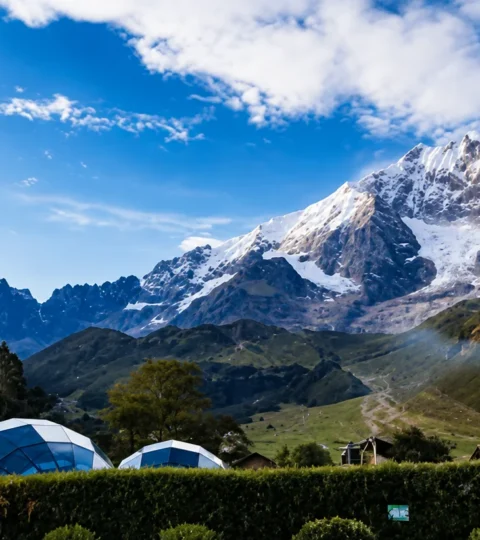
Prices climb from there depending on group size, private departures, and premium camping or the Soraypampa glamping domes on Salkantay, and can run well past $1,200 per person once you move into private or luxury territory on either route.
Advantages and Disadvantages
Salkantay
The advantages are real mountain scenery that rivals or beats the Inca Trail, a lower price, more flexible booking, the option to hike without a licensed guide if you want to, and extra stops like the coffee farm and hot springs that the Inca Trail simply does not have. The trade off is that it is less centrally regulated, trail conditions and crowding at Humantay Lake vary more, and there is almost no archaeology along the way beyond the Llactapata viewpoint.
Inca Trail
The advantages are the archaeological sites, the walk in through the Sun Gate, and a route that is far more tightly managed, from the daily permit cap to Peru’s porter law, which sets a maximum load of 20 kilograms for male porters and 15 for female porters, along with mandatory insurance and a legal minimum wage. The trade off is the price, the mandatory long term planning, and a shorter, steeper trek that some travelers find less scenic than Salkantay’s high mountain passes.
The Sun Gate and Mountain Add Ons, Explained Properly
A lot of what gets written about this online is slightly wrong, so here is how it actually works. Salkantay trekkers can visit Intipunku, the Sun Gate, during high season. That access is not a special permit, it is simply the standard foreign Machu Picchu entrance ticket on Route 1-C, “Portada Intipunku,” bought like any other ticket on the official government ticket platform, and it runs close to 45 US dollars.
Adding Huayna Picchu or Montaña Machu Picchu works a little differently depending on how you leave. If your return is by train, adding one of the mountains is straightforward as long as you booked that specific mountain ticket in advance, mountain permits are separate and limited and do sell out.
If your return is overland through Hidroeléctrica, the afternoon buses back leave between about 2:30 and 3:00 pm, and a full citadel tour plus a mountain climb usually will not leave enough time to make that bus. In that case the mountain ticket generally only works if it is the only ticket you buy that day, skipping the full guided citadel tour rather than adding to it.
Salkantay Trek vs Inca Trail at a Glance
| Salkantay Trek | Inca Trail | |
|---|---|---|
| Highest point | Salkantay Pass, 4,630 m | Dead Woman’s Pass, 4,215 m |
| Trip length options | 2, 3, 4 or 5 days | 1, 2 or 4 days |
| Physical level | Moderate to challenging | Moderate to challenging |
| Guide required by law | No | Yes |
| Arrival at Machu Picchu | By road or train via Aguas Calientes | On foot through the Sun Gate |
| Daily access limit | Not officially capped | 500 permits, about 200 trekkers |
| February availability | Officially open, high risk | Closed for most of February |
| Typical booking window | 2 to 4 months | 4 to 8 months |
| Typical price range | $300 to $700 | $450 to $900 |
Which One Should You Choose
If your trip to Peru is still four or more months away and walking through the Sun Gate matters to you, book the Inca Trail now while your preferred date is still open. If you are inside that window, traveling in February, working with a tighter budget, or simply want the bigger mountain views, Salkantay is the better fit and will not leave you feeling like you settled for second best, altitude wise it is the tougher trek of the two anyway.
That is the real Salkantay Trek vs Inca Trail decision. Still not sure which one matches your dates and your fitness level. Talk to a travel specialist and we will walk you through the real trade offs for your specific trip, not just the ones that photograph well.