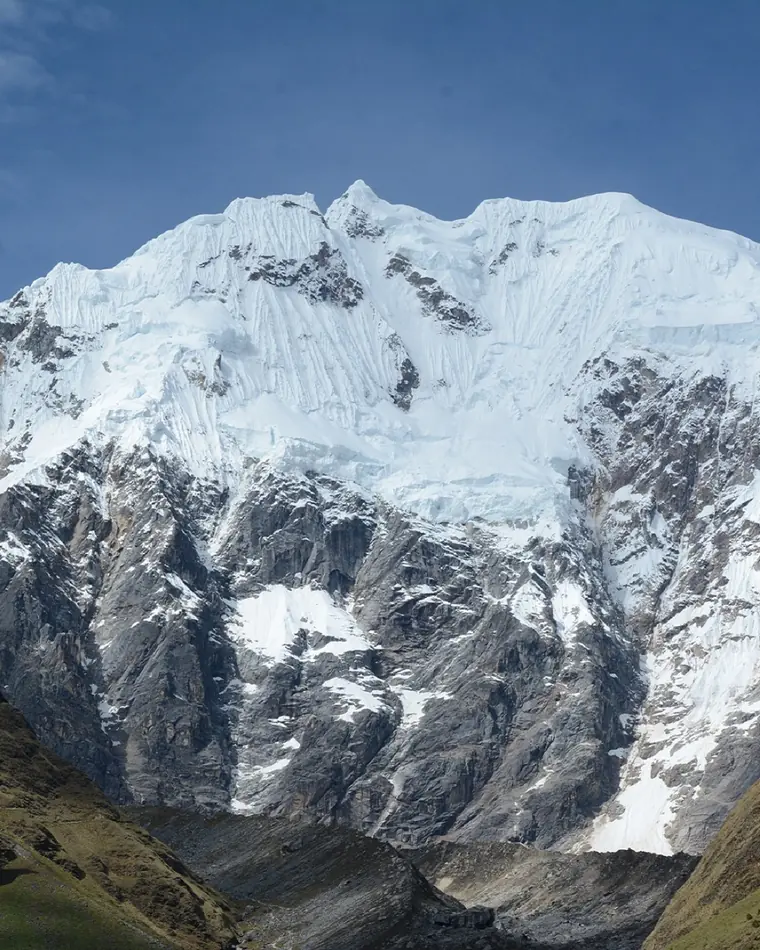

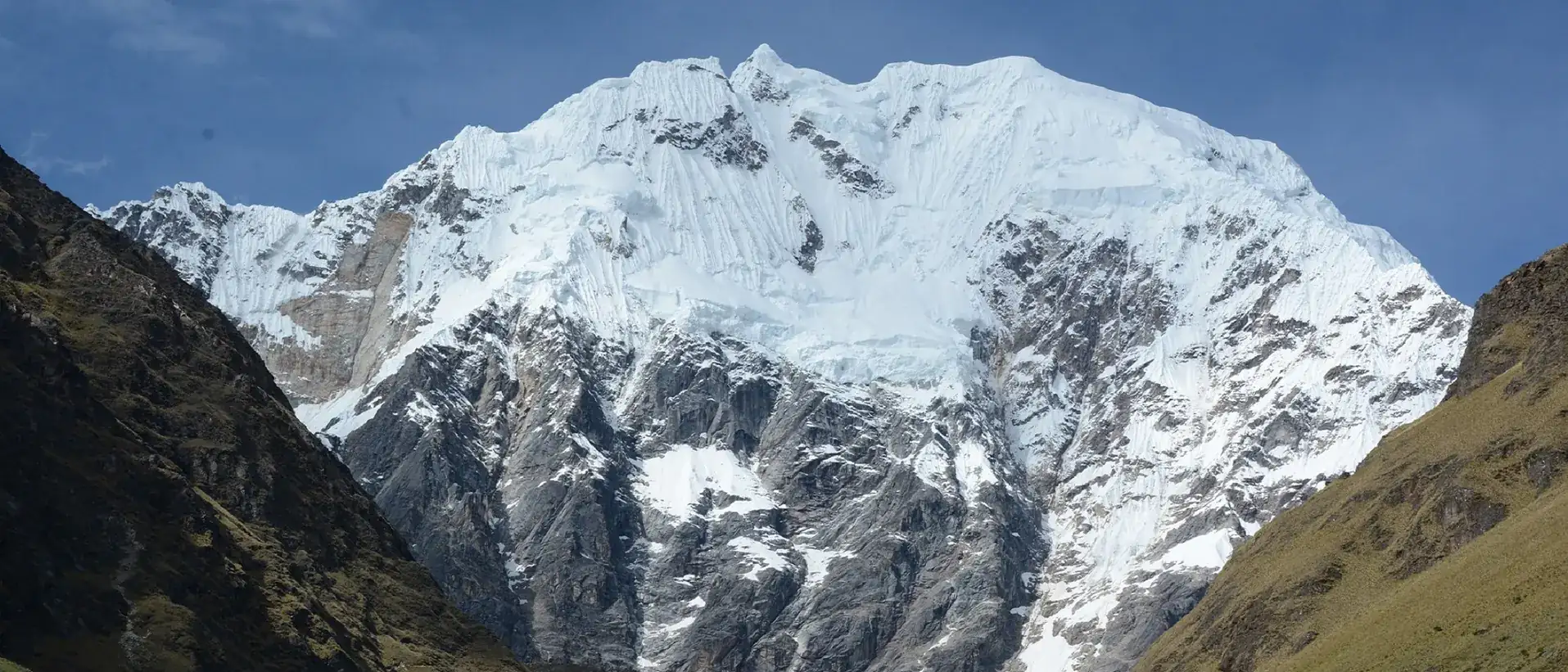
The short version of the Salkantay Trek packing list: a horse carries up to 7 kg (15 lb) of your gear, sleeping bag included, and you carry a daypack of about 30 liters.
Everything else is about layers, because you sleep below freezing at 3,900 m and finish in humid cloud forest under 2,000 m.
We are a local operator in Cusco and our groups walk this route every week. This is the list we go through at our own briefing, including the item hikers forget most often: a power bank, because the first camp has no electricity.
Salkantay Trek packing list at a glance
| Carried by the horse | Up to 7 kg (15 lb) per person in the duffel we give you, sleeping bag included |
|---|---|
| Carried by you | A daypack of about 30 liters with what you need while hiking |
| Rent from us | Sleeping bag (comfort 10°C below zero) $15, trekking poles $15 a pair, for the whole trek |
| Coldest night | Night 1 at Quiswaraniyoc, about 3,900 m (12,800 ft), below freezing in the dry season |
| Electricity | None at the first camp; you can charge at Chaullay and Lucmabamba |
| Phone signal | None at the first camp; it comes back on the afternoon of day 2 |
| Drinking water | Water and tea at every meal; bottled water for sale at camps and trail stalls |
| Leave behind | Your suitcase, stored free at our Cusco office |
The complete Salkantay Trek packing list checklist
Use this Salkantay Trek packing list as your final check the night before. Everything below fits in a 7 kg duffel plus a 30 liter daypack; each group is explained in the sections that follow.
Documents, money and health
 Original passport
 Cash in soles
 Personal medication
 Sunscreen SPF 50+
 Insect repellent
 Toiletries
Clothing
 Thermal base layer
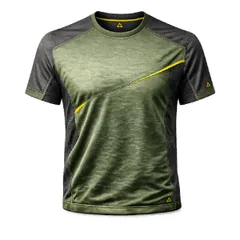 Hiking shirts (2 or 3)
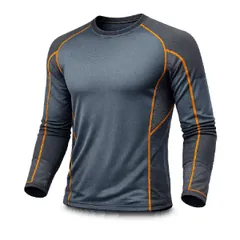 Shirt with long sleeves
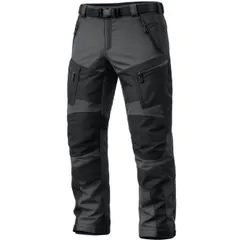 Hiking pants (2)
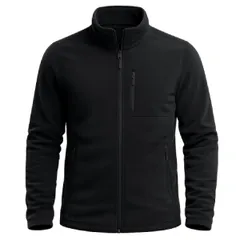 Fleece
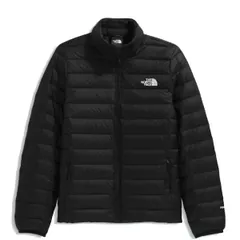 Down jacket
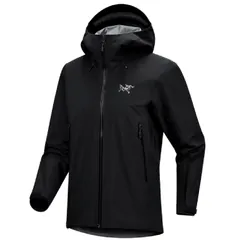 Waterproof jacket
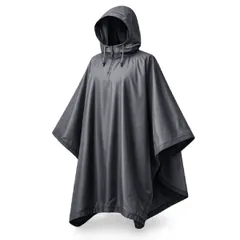 Rain poncho
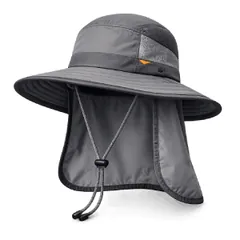 Sun hat
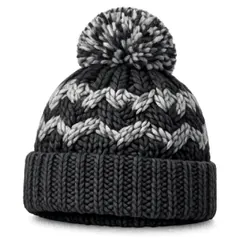 Warm beanie
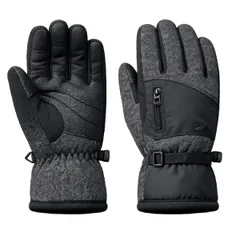 Gloves
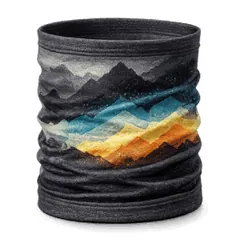 Buff or neck gaiter
Footwear and sleeping gear
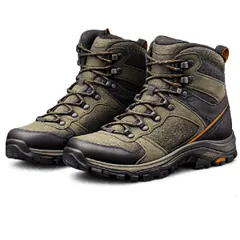 Waterproof hiking boots
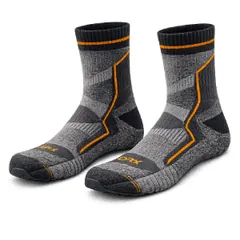 Hiking socks (4 or 5 pairs)
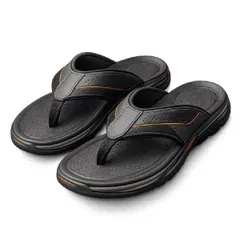 Sandals for camp
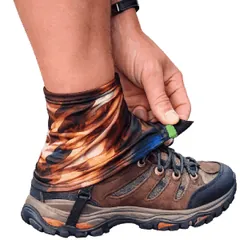 Gaiters (rainy season)
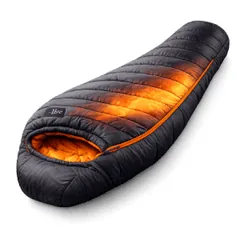 Sleeping bag, 10°C below zero
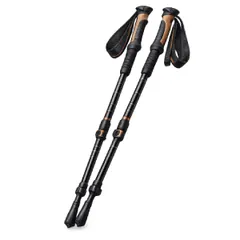 Trekking poles
Daypack, electronics and extras
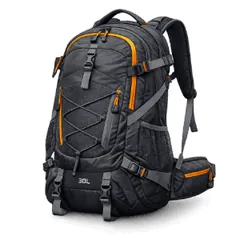 Daypack of 30 liters
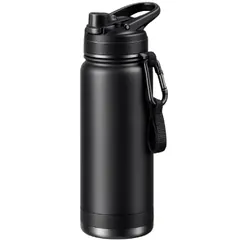 Water bottle, 1.5 to 2 L
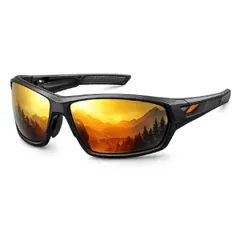 UV sunglasses
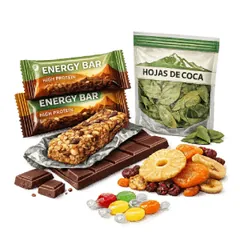 Snacks
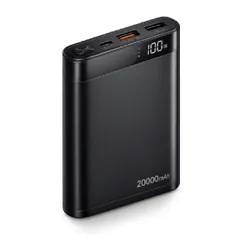 Power bank
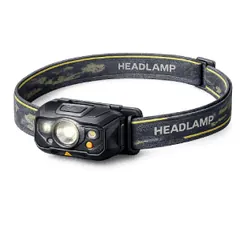 Headlamp
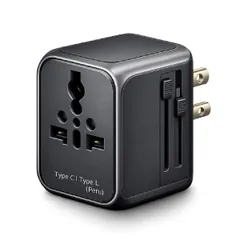 Plug adapter
 Camera
 Quick drying towel
 Swimsuit (5 day trek)
How your luggage works: the 7 kg duffel and your daypack
At the briefing at your hotel at 6:00 p.m. the evening before, we hand you a duffel bag. You pack it with up to 7 kg (15 lb), sleeping bag included, and our horse team carries it from camp to camp.
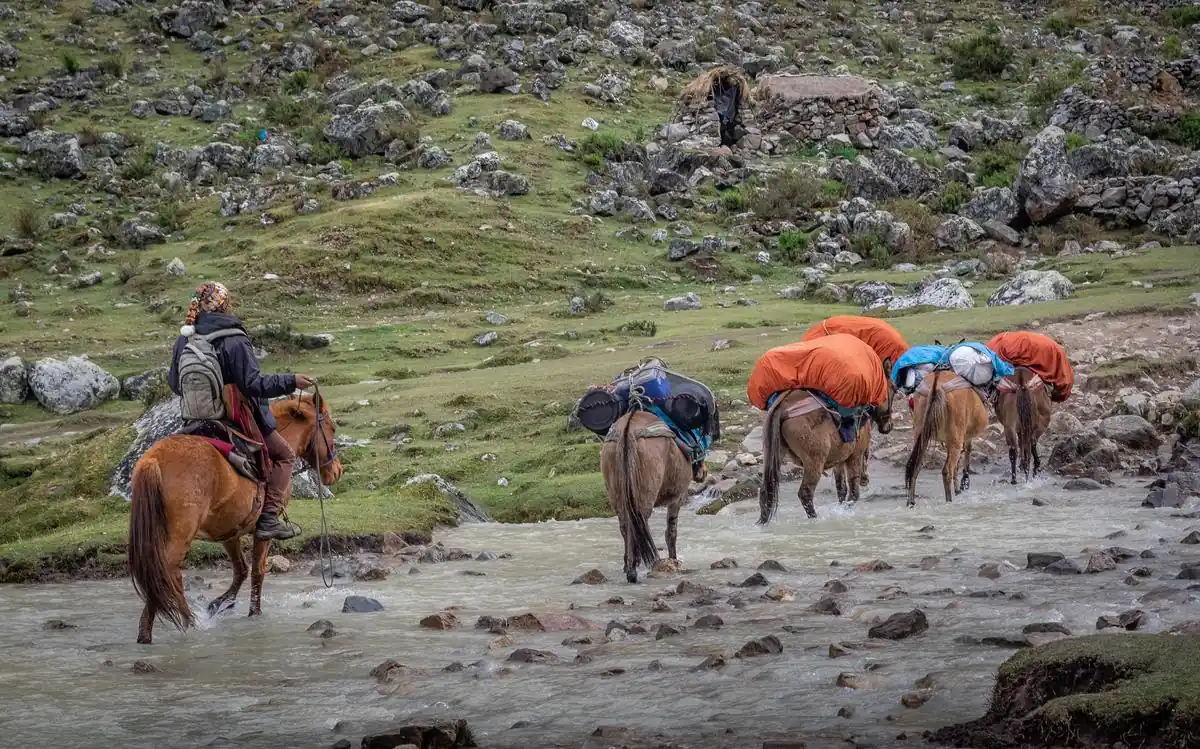
A warm sleeping bag alone weighs around 1.5 to 2 kg, so plan on about 5 kg of clothes and personal items.
The horses travel ahead of the group, so you cannot reach the duffel during the day. Whatever you need while walking goes in your daypack.
Your suitcase and everything you will not use on the trail stay in our Cusco office, free of charge, until you return.
What goes in the duffel
- Sleeping bag
- Down jacket and warm clothes for camp
- Thermal layers and clean clothes for the next days
- Sandals, toiletries and towel
- Spare batteries and charging cables
What goes in your daypack
- Waterproof jacket and rain pants
- Fleece, gloves and beanie
- Water bottle, snacks and sun protection
- Insect repellent for the cloud forest
- Passport, cash, phone and power bank
A pack of about 30 liters holds all of this. A rain cover or a large plastic bag inside keeps it dry.
Rent or bring: sleeping bag and trekking poles
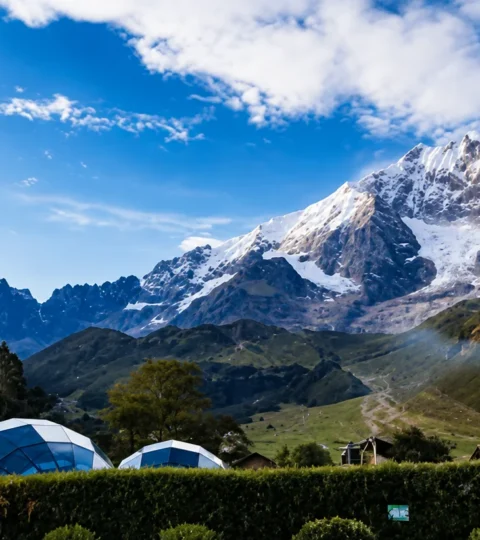
We sleep in Sky Domes and huts, not tents, but the domes are not heated.
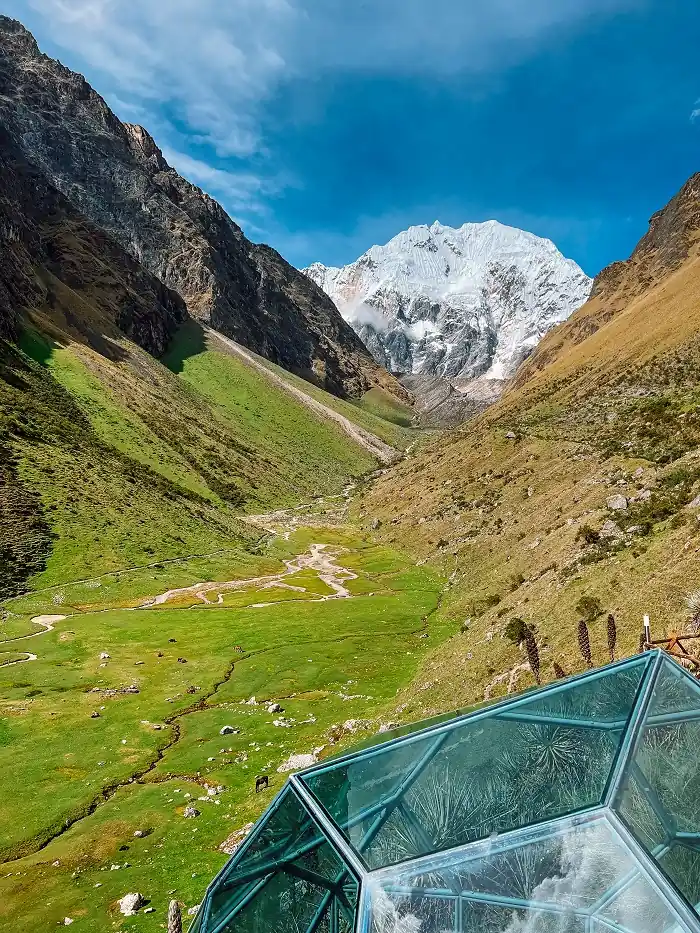
The first night at 3,900 m drops below freezing in the dry season, so a sleeping bag with a comfort rating of 10°C below zero (14°F) is required on both the 4 day and the 5 day trek.
If you do not have one, rent ours for $15 for the whole trek. Its weight counts toward the 7 kg in your duffel. If you bring your own, check the comfort rating, not the extreme rating printed below it.
Trekking poles cost $15 a pair for the whole trek. They matter most on day 2, when you descend about 1,760 m (5,770 ft) from the Salkantay Pass to Chaullay. On the trail, keep the rubber tips on to protect the path.
What to wear from 4,630 m to 1,790 m
Clothing is the heaviest part of any Salkantay Trek packing list. The route crosses two climates in two days. You start in cold high mountains and end in warm, wet cloud forest, so pack layers you can add and remove, not one heavy coat.
There is no weather station on the high part of the route. The nearest, SENAMHI Anta at 3,324 m, averages 4.3°C below zero (24°F) at night in July, and our first camp is about 600 m higher.
Down at the Machu Picchu station (2,399 m), July nights average 9.4°C (49°F) and days reach 21 to 23°C (70 to 73°F).
The cold night at Quiswaraniyoc
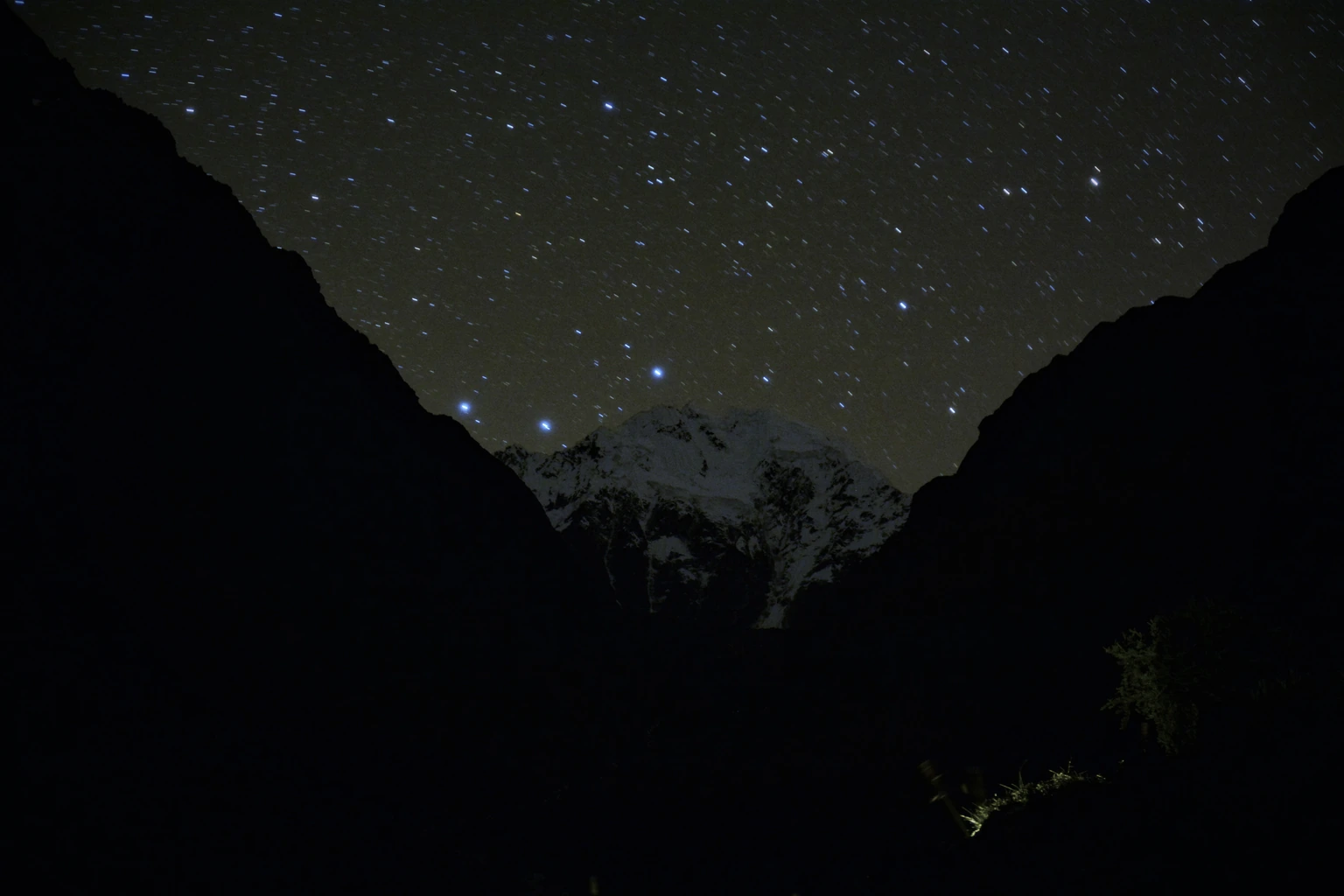
Night 1 is the coldest of the trek. Change into dry thermal layers as soon as you arrive, then add a fleece, a down jacket, a beanie and gloves. Sleep in warm socks and your thermal layer.
Crossing the Salkantay Pass
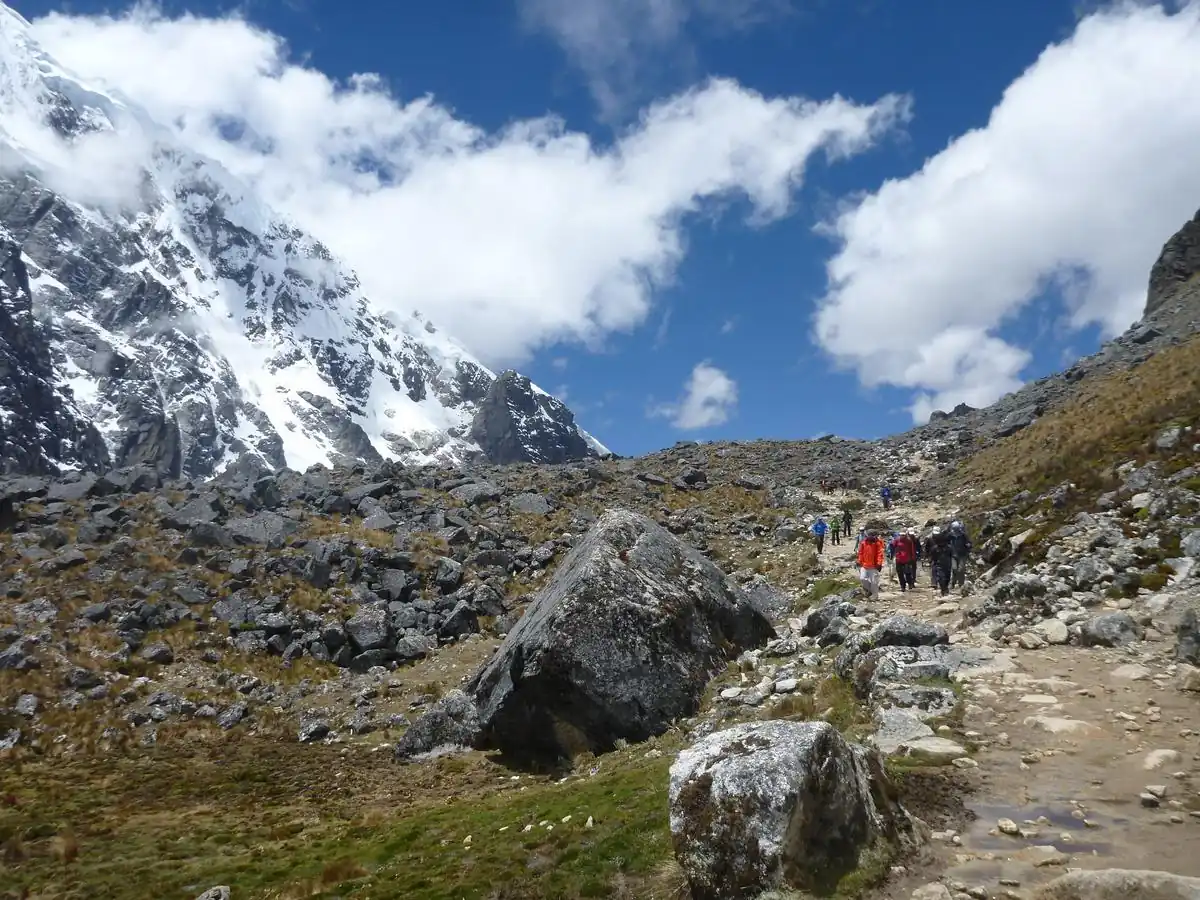
Day 2 starts with a wake up call at 5:00 a.m. and climbs to 4,630 m (15,190 ft). Expect wind and cold at the top, and snow can fall in any month.
Walk in a light layer, and keep the fleece, waterproof jacket, gloves and buff at the top of your daypack.
The sun is the other danger. In July 2026 SENAMHI warned of UV levels from 12 to 18 in the southern Andes (Infobae); 11 is already “extreme”. Wear a hat and sunglasses and reapply sunscreen at every stop.
The cloud forest days
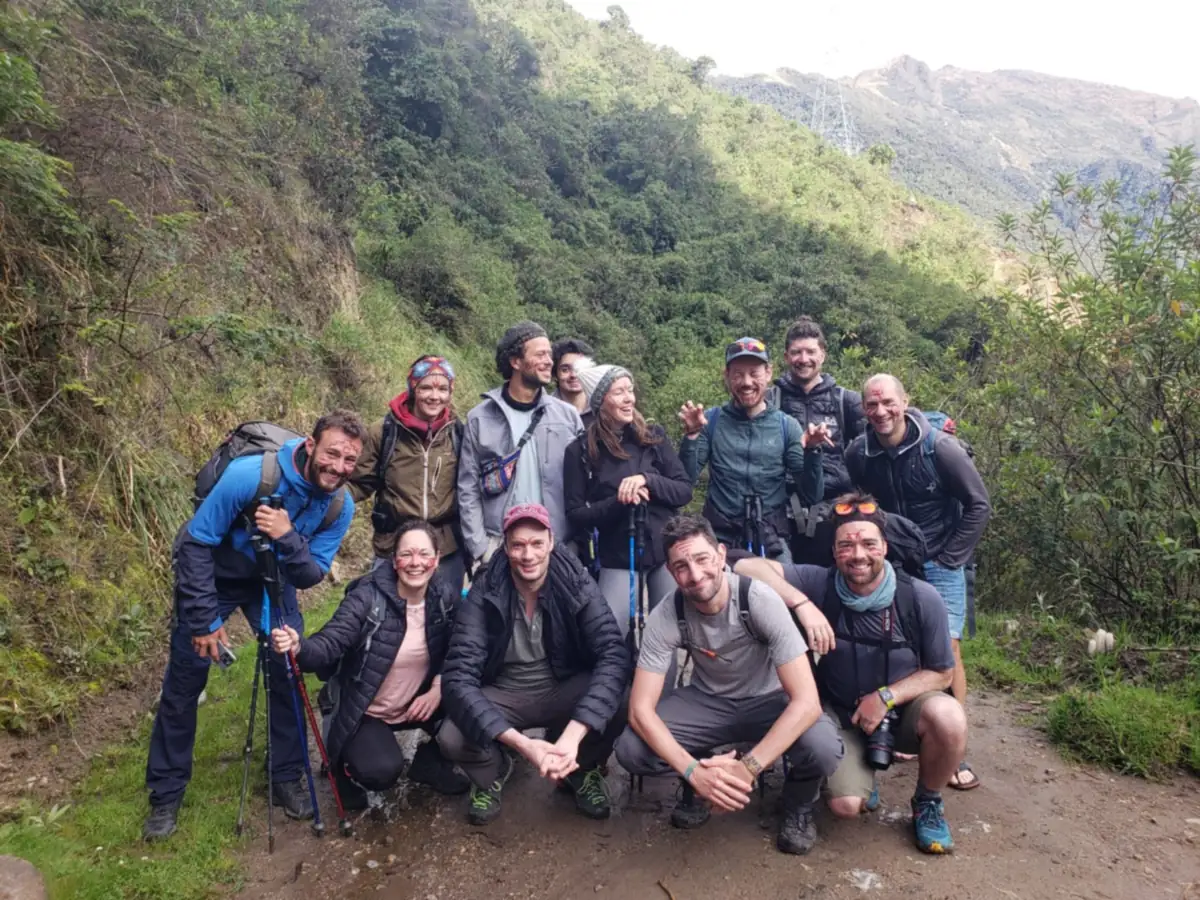
After the pass, the trail drops into coffee farms and forest around 2,000 m. Light hiking pants and a shirt with long sleeves work better than shorts, because they also stop insects.
Rain gear belongs on your Salkantay Trek packing list in every season. The Machu Picchu station records about 2,116 mm of rain a year and 51 to 76 mm a month even in the dry season.
Clothes dry slowly here, so keep one dry set in a plastic bag.
Footwear and socks
Bring waterproof hiking boots that you have already worn on long walks. New boots on a trek of 4 or 5 days cause blisters. Good grip matters on the wet stone of the descent.
Add sandals for camp, 4 or 5 pairs of hiking socks and one warm pair kept only for sleeping. Blister plasters belong in your daypack, not in the duffel.
Electronics: pack a power bank first
There is no electricity at our first camp, Quiswaraniyoc, and no phone signal there either. You can charge your phone at Chaullay and Lucmabamba, and signal returns on the afternoon of day 2.
Bring a power bank of 10,000 to 20,000 mAh, enough for 2 or 3 full phone charges. Cold drains batteries fast, so keep the phone and the power bank inside your sleeping bag at night and use airplane mode on day 1.
A headlamp is essential: you pack before dawn on day 2 and the camps have little light at night. Pack spare batteries.
Peru uses plugs of type A and C at 220 V. Bring an adapter and check that your chargers accept 220 V before you plug them in at Chaullay or Lucmabamba.
Water and snacks
Water and hot tea are served at every meal, and you can drink as much as you want. For the trail, bottled water is sold at our camps and at small stalls run by local families along the route.
Carry a reusable bottle or bladder of 1.5 to 2 liters and refill it at meals. Peru’s Law 30884 limits single use plastic in protected areas, and fewer bottles means less waste on the trail.
Our cooks prepare breakfast, lunch and dinner, so you only need a few snacks you like: nuts, chocolate or energy bars. The trail stalls also sell snacks and drinks.
Toiletries, health and sun protection
Pack sunscreen SPF 50+, lip balm with SPF, toilet paper, hand sanitizer, wet wipes and a quick drying towel. A small bag of personal medication is better than a big first aid kit, because our guides carry a full first aid kit and emergency oxygen.
From Lucmabamba down to Hidroeléctrica and Aguas Calientes, sandflies and mosquitoes bite. Bring a repellent with DEET or picaridin and put it on before you reach the coffee farms.
The CDC Peru page recommends the yellow fever vaccine for areas below 2,300 m in the Cusco region, and the lower Salkantay route passes through them. Ask a travel clinic before your trip; Peru does not require proof of vaccination.
There is no shower at the first camp. At the second camp there are cold showers for free or hot showers for about 10 soles, and your hotel in Aguas Calientes has hot water. For altitude medication, see our Salkantay Trek difficulty guide.
Documents and cash
Carry your original passport, the same one used to book. Machu Picchu tickets from tuboleto.cultura.pe carry your name and passport number, and the entrance, the train and the hotel check it.
There are no ATMs between Mollepata and Hidroeléctrica, and the ATMs in Aguas Calientes often run out of cash in high season. Bring soles in small notes from Cusco for:
- Humantay Lake entrance on day 1: S/20 for foreigners (about $6), S/10 for Peruvians
- Optional horse to Humantay Lake: S/80 to S/100 (about $22 to $27)
- Optional horse to the Salkantay Pass: about $40, climb only
- Hot shower at the second camp: about S/10
- Toilets of local families along the trail: S/1
- Cocalmayo hot springs on the 5 day trek: S/50 (about $14.50), transport included
- Snacks, drinks and, if you wish, tips
Tips are optional. Our team is paid fair wages, so a tip is a personal thank you, never a fee. Bring your travel insurance details as well; we strongly recommend medical cover.
Machu Picchu day: what you can and cannot bring
The last morning has its own rules. Under the Machu Picchu visitor regulation, RM 070-2017-MC, article 19 as amended by RM 216-2018-MC (official text), you cannot enter with:
- Bags larger than 40 × 35 × 20 cm
- Food
- Umbrellas (a rain poncho is allowed)
- Tripods and selfie sticks
- Drones
- Trekking poles with metal tips; poles with rubber tips are allowed only for older visitors and people with disabilities
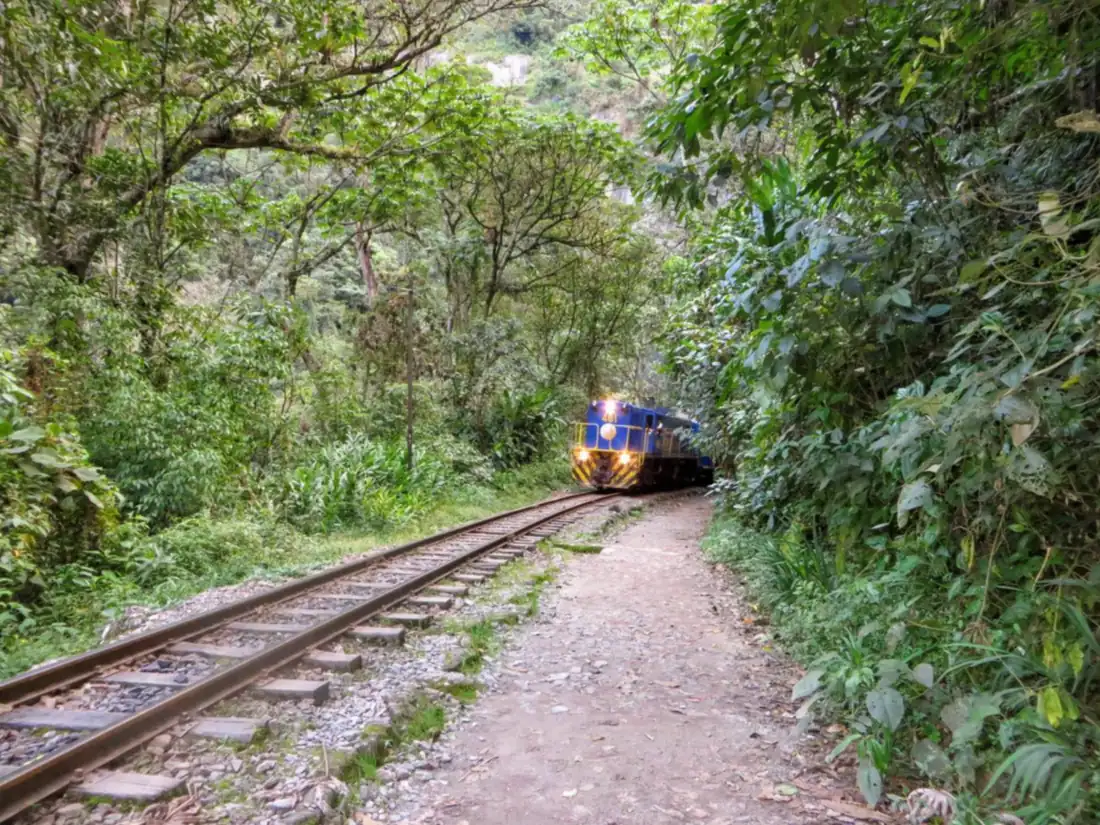
Your duffel and your trekking poles stay at the hotel in Aguas Calientes while you visit. Take only a small daypack with your passport, ticket, water, sunscreen and a rain poncho. More on circuits and entry times in our Machu Picchu tickets guide.
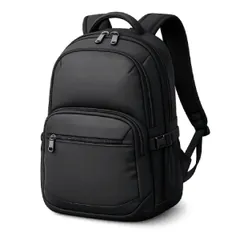 Small daypack, 40 × 35 × 20 cm max
- Passport and ticket
- Water bottle
- Sunscreen
- Rain poncho
Salkantay Trek packing list by season
Dry season, May to September: the coldest nights and the clearest days. The down jacket, gloves and the warm sleeping bag matter most, along with strong sun protection.
Rainy season, November to March: milder nights but rain most afternoons. Add rain pants, gaiters for the mud, a pack cover, dry bags for electronics and spare socks.
February is the wettest month; in 2026 a landslide closed the Humantay and Salkantay area from February 6 to March 6.
April and October sit in between: pack for both. For temperatures at the highest point, see the weather section of our Salkantay Pass guide.
What to leave off your Salkantay Trek packing list
- Jeans and cotton clothes: heavy, and they stay wet for days.
- More than 7 kg in the duffel: the limit is per person and includes the sleeping bag.
- A drone: banned at Machu Picchu.
- Large amounts of US dollars: trail stalls and fees take soles.
- Jewelry and valuables you do not need on the trail; leave them in our Cusco storage.
Hike the Salkantay with a local team
Our Salkantay Trek 5 Days and Salkantay Trek 4 Days include the duffel, the horse team, the domes, the chef and free luggage storage in Cusco. Compare every route on our Salkantay Trek page, or read the complete Salkantay Trek guide.
Salkantay Trek packing list: frequently asked questions
What are the essentials on a Salkantay Trek packing list?
A sleeping bag with a comfort rating of 10°C below zero, a down jacket, a waterproof jacket, broken in hiking boots, a power bank, a headlamp, sun protection, insect repellent, your passport and cash in soles.
How much weight can I bring on the Salkantay Trek?
The horse carries up to 7 kg (15 lb) per person in the duffel we provide, sleeping bag included. You carry your own daypack of about 30 liters, and your suitcase stays in our Cusco office for free.
Do I need a sleeping bag if we sleep in domes?
Yes. The domes are not heated and the first night at 3,900 m drops below freezing in the dry season. You need a bag with a comfort rating of 10°C below zero (14°F); ours rents for $15 for the whole trek.
Can I rent gear for the Salkantay Trek?
Yes. We rent sleeping bags for $15 and trekking poles for $15 a pair, both for the whole trek. Book them with your tour so we hand them over at the briefing.
Is there electricity on the Salkantay Trek?
Not at the first camp, Quiswaraniyoc. You can charge your phone at Chaullay and Lucmabamba, so a power bank of 10,000 to 20,000 mAh covers the gap.
Is there phone signal on the Salkantay Trek?
There is no signal at the first camp or on the climb to the pass. Signal returns on the afternoon of day 2, and Aguas Calientes has good coverage.
How cold does it get on the Salkantay Trek?
The first night is the coldest, below freezing in the dry season. The nearest SENAMHI station, 600 m lower, averages 4.3°C below zero in July. In the cloud forest nights stay around 10°C (50°F).
Is there drinking water on the Salkantay Trek?
Yes. Water and tea are served at every meal, and bottled water is sold at the camps and at small stalls along the trail. Bring a reusable bottle of 1.5 to 2 liters.
Can I take trekking poles into Machu Picchu?
Only poles with rubber tips, and officially only for older visitors and people with disabilities. On our treks the poles stay at the hotel in Aguas Calientes with your duffel.