
The Short Answer
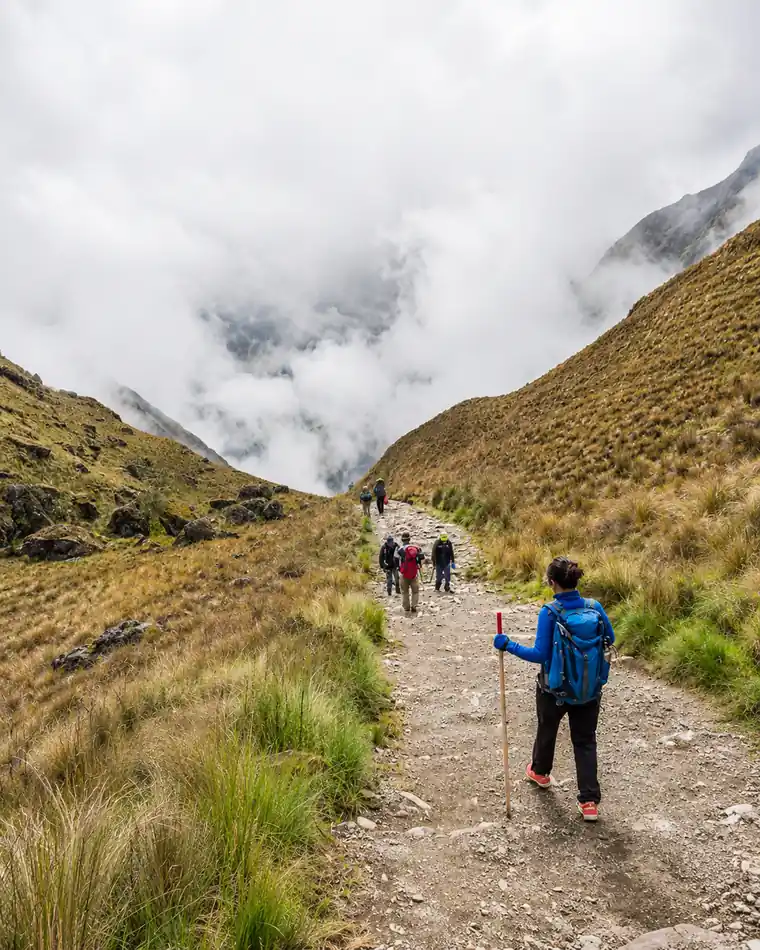
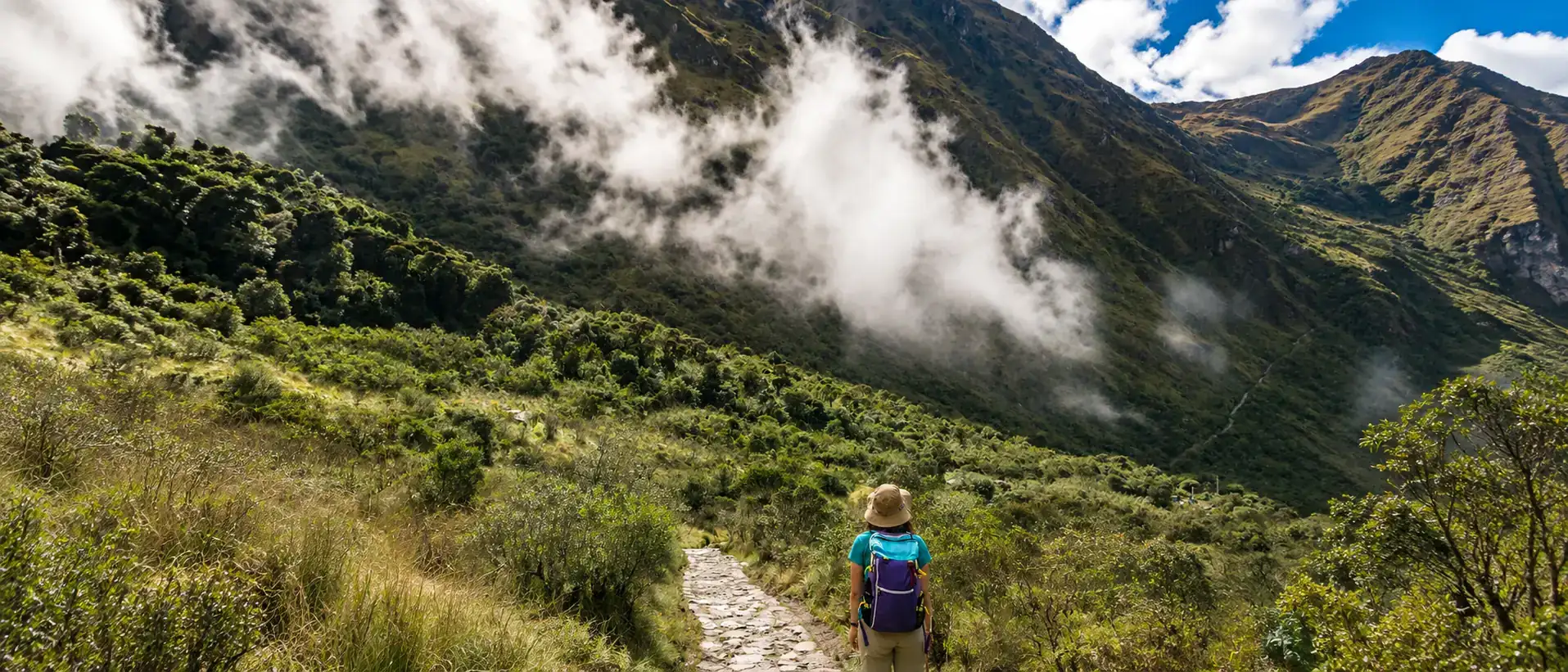
The best time to hike Inca Trail is the dry season, from May to September, when clear skies, firm trails, and sharp mountain views are most reliable. Within that window, July has the most stable weather but the largest crowds, while May and September offer the best balance of good weather and thinner trails. The shoulder months of April and October bring fewer people, lower prices, and greener scenery with a small chance of rain. The rainy season runs November to March: still hikeable, but muddy and less predictable. One rule is absolute: the Inca Trail closes completely every February for maintenance, although Machu Picchu itself stays open by train.
Inca Trail Seasons at a Glance
Everything about timing your trek comes down to three seasons, plus the February closure.
| Season | Months | Weather and trail | Crowds |
|---|---|---|---|
| Dry (high season) | May to September | Clear skies, cold nights, firm dry trail | Busiest June to August |
| Shoulder | April and October | Mostly dry, still green, a little mud | Fewer people, better value |
| Rainy (low season) | November to March | Frequent rain, lush, muddy and slippery | Quietest of the year |
| Closed | February | Trail shut for maintenance | No trekking |
Swipe the table sideways to see more →
The pattern is consistent across weather data from SENAMHI and climate services: rainfall peaks from January to March and bottoms out in June and July, so the dry middle of the year is the safe bet for a trek.
Month by Month: Best Time to Hike Inca Trail
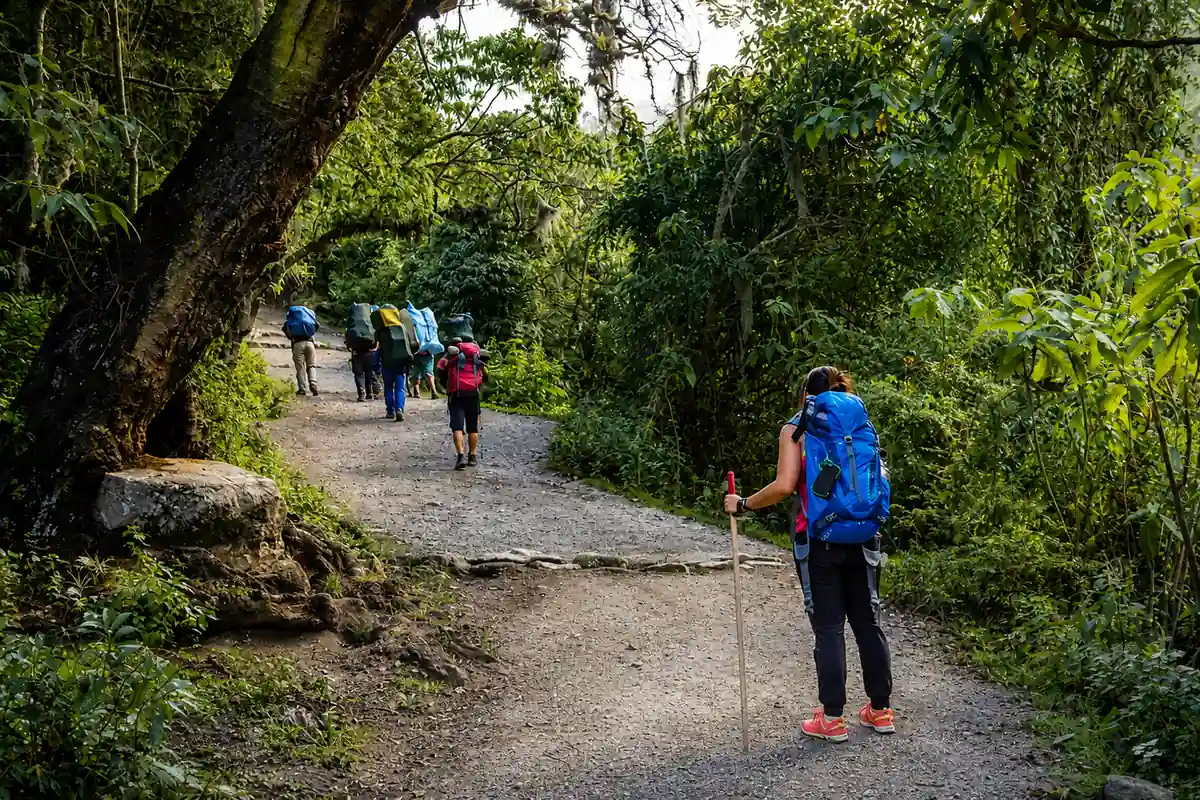
If you already know roughly when you can travel, here is what each month feels like on the trail.
| Month | Season | What to expect |
|---|---|---|
| January | Rainy | Green and quiet, frequent afternoon rain, muddy trail, permits often available last minute. |
| February | Closed | Trail shut for maintenance. Machu Picchu stays open by train. |
| March | Rainy, reopening | Trail reopens around March 1. Lush, but wet and landslide prone early in the month. Prefer late March. |
| April | Shoulder | Rain fading, hills still green, fewer crowds, good value. |
| May | Dry (top pick) | Clear skies arriving while the landscape is still green, strong views, moderate crowds. |
| June | Dry | Crisp, clear mountain views. Busy around Inti Raymi on June 24. Book early. |
| July | Dry (peak) | Driest and coldest, the most stable weather, and the busiest. Book many months ahead. |
| August | Dry (peak) | Dry and clear, the busiest month overall. |
| September | Dry (top pick) | Warm, clear, and noticeably thinner crowds than midwinter. |
| October | Shoulder | First light rains return, fewer people, lower prices. |
| November | Low | Greener, quiet, cheaper, with occasional rain. |
| December | Low | Festive and green, wetter, and far fewer trekkers. |
If you want a single recommendation: aim for May or September. You get dependable dry season weather without the peak July crush, and permits are a little easier to secure.
The February Closure You Cannot Ignore
Every February the classic Inca Trail closes for the entire month so crews can repair the route after the heaviest rains. This is set by Peru’s Ministry of Culture through the Cusco office (DDC Cusco) together with SERNANP, under the sustainable use regulation for the Inca Trail network.
For 2026 the trail is closed from January 31 to March 1. About 60 specialists and workers maintain 15 archaeological sites along the way, restoring stone steps, retaining walls, wooden bridges, and drainage at the campsites. The closure covers the classic 4 day trail, the short 2 day trail, and the 5 day variant. It does not affect Machu Picchu itself, which you can still reach by train.
If February is your only option, the Salkantay Trek and other alternative routes need no Inca Trail permit and stay open. Keep in mind that early March, just after reopening, can still bring saturated ground and landslide risk, so the second half of March is the safer choice that month.
Weather on the Trail: What to Actually Expect
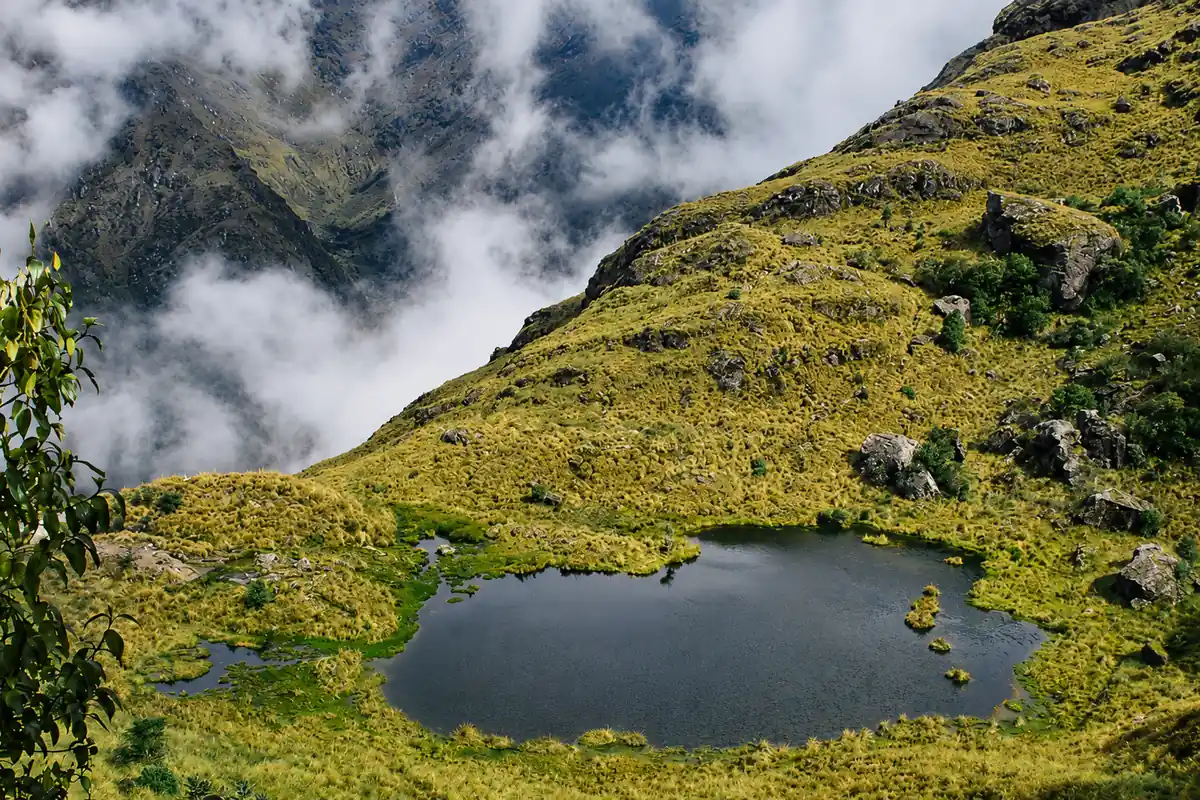
The Inca Trail is not one climate. In four days it climbs from about 2,650 meters at the KM 82 trailhead to 4,215 meters at Dead Woman’s Pass (Warmiwanusca), then drops to 2,430 meters at Machu Picchu. You can meet sun, wind, fog, and a light shower in a single day, even in the dry season.
| Season | Daytime | Night at high camps |
|---|---|---|
| Dry (May to September) | 15 to 25 C | 0 to 5 C, near freezing at altitude |
| Rainy (November to March) | 15 to 22 C | 5 to 8 C, but damp, so it feels colder |
Dry season days are pleasant and the nights are cold, with frost common around Dead Woman’s Pass in June and July. The rainy season is milder at night but wet, and the stone steps get genuinely slippery. Whenever you go, pack layers and boots with good grip, and give yourself one or two days in Cusco to acclimatize before you start. Our Inca Trail weather guide has the full month by month breakdown of temperatures and rainfall.
Crowds, Permits, and When to Book
Timing is not only about weather. Only 500 people per day may start the classic trail, and roughly 200 of those are travelers, with the rest being guides, porters, and cooks. The short 2 day trail has 250 spots per day. Those limits are why the best dates disappear so far ahead.
| Season | How far ahead to book |
|---|---|
| Peak (June to August) | 4 to 6 months, and up to 8 for July dates |
| Shoulder (May, September, October) | 3 to 4 months |
| Low (November, December, January) | Sometimes just 2 to 4 weeks |
Two dates in particular fill first: Inti Raymi on June 24, Cusco’s biggest festival and the busiest week of the year, and Fiestas Patrias on July 28 and 29, when Peruvian travelers book out July early. Permits are sold only through a licensed operator, are tied to your passport, and cannot be refunded or transferred. For a full breakdown of quotas, prices, and how the release works, see our guide to the Inca Trail permit.
Good news for 2026: under a new rule, your Inca Trail permit again includes entry to the Machu Picchu citadel through the route 3-B circuit, so hikers no longer buy a separate citadel ticket the way they did in 2024 and 2025.
Best Time by Type of Traveler
- First time trekkers: the dry season, May to September, for a firm trail and lower risk.
- Fewer crowds: April, October, or November, or May and September within the high season.
- Photographers: June to August for crisp daytime views and the clearest Milky Way at the high camps; the rainy season for dramatic fog around the ruins.
- Green landscapes and wildflowers: March, April, and November, when orchids bloom and seasonal waterfalls run.
- Smaller budgets: April, October, and November, when tours and flights ease off.
- Families: the dry season for stability, ideally May or September to avoid the July peak.
Frequently Asked Questions
What is the best time to hike Inca Trail overall?
The dry season from May to September. May and September give the best balance of clear weather and manageable crowds.
What is the worst time to hike the Inca Trail?
The peak of the rainy season, January to March, brings mud, slippery steps, and cloud that can hide the views. February is closed entirely.
Is the Inca Trail really closed in February?
Yes. The classic trail closes every February for maintenance. In 2026 it is closed from January 31 to March 1. Machu Picchu stays open by train.
Can you hike the Inca Trail in the rainy season?
Yes, from November to March, apart from February. Expect green scenery and fewer people, but also mud, rain, and a higher chance of delays. Choose the second half of March if you go then.
Which month is busiest?
August is the busiest overall, with July and September close behind. June is also busy around the Inti Raymi festival.
How far in advance should I book?
For June to August, 4 to 6 months, and up to 8 months for July. Shoulder months need 3 to 4 months, and low season can sometimes be booked just weeks ahead.
How cold does it get on the trail?
Daytime is usually 15 to 25 C, but nights at the high camps drop to freezing in the dry season, especially near Dead Woman’s Pass at 4,215 meters.