The Short Answer
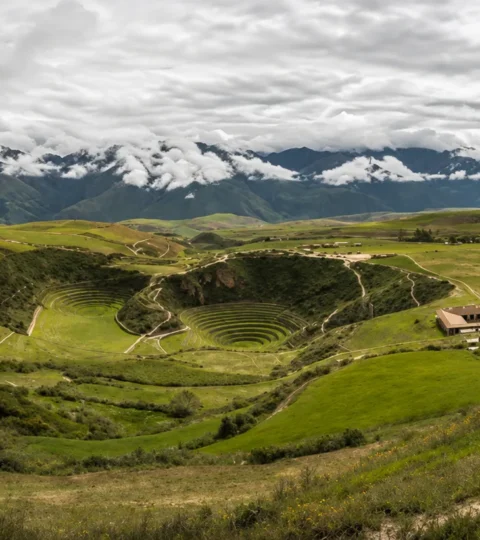
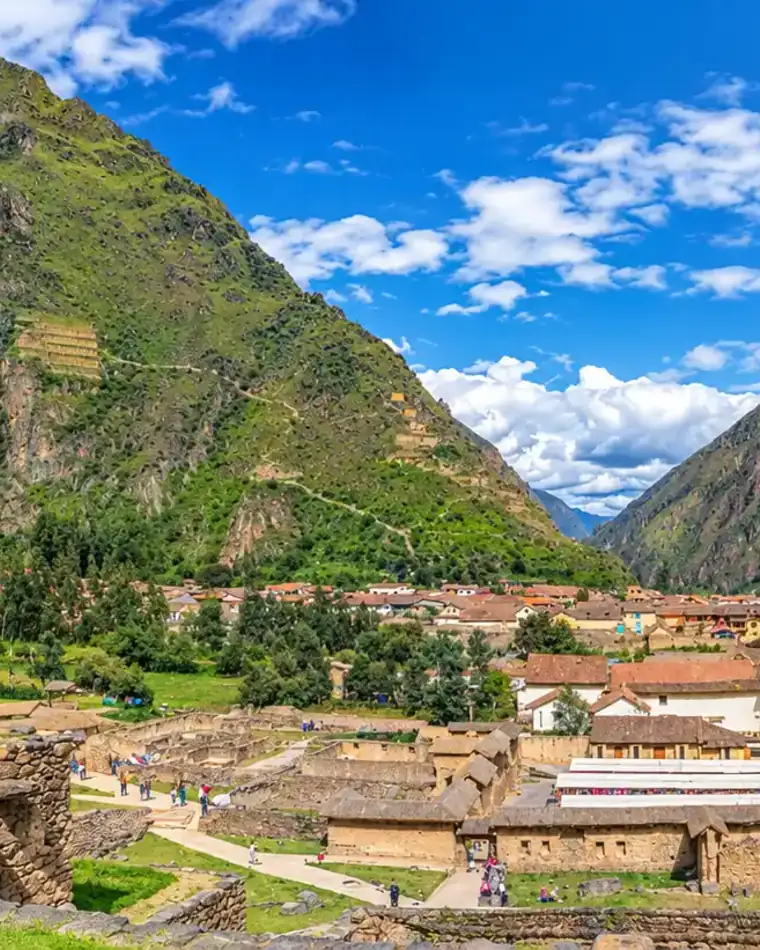
The Sacred Valley sits mostly between 2,792 m and 3,300 m (9,160 to 10,830 ft), about 400 to 600 meters lower than Cusco at 3,399 m (11,152 ft). Ollantaytambo (2,792 m), Urubamba (2,871 m) and Pisac town (2,972 m) fall inside the ideal acclimatization range recommended by the CDC Yellow Book and the Wilderness Medical Society (WMS), which is why most itineraries base travelers in the valley before they spend nights in Cusco. Chinchero (3,762 m), Moray (3,500 m) and Maras (3,300 m) are the exception: they sit at or above Cusco’s altitude, so travelers who feel fine in the valley floor towns can still feel the effects on the high plateau.
Sacred Valley Elevation: Town by Town
Every figure below carries its source. Where sources disagreed, the most reliable number is used, official geographic or heritage records first, then Wikipedia, then tourism operators.
| Town or Site | Elevation | Source / Note |
|---|---|---|
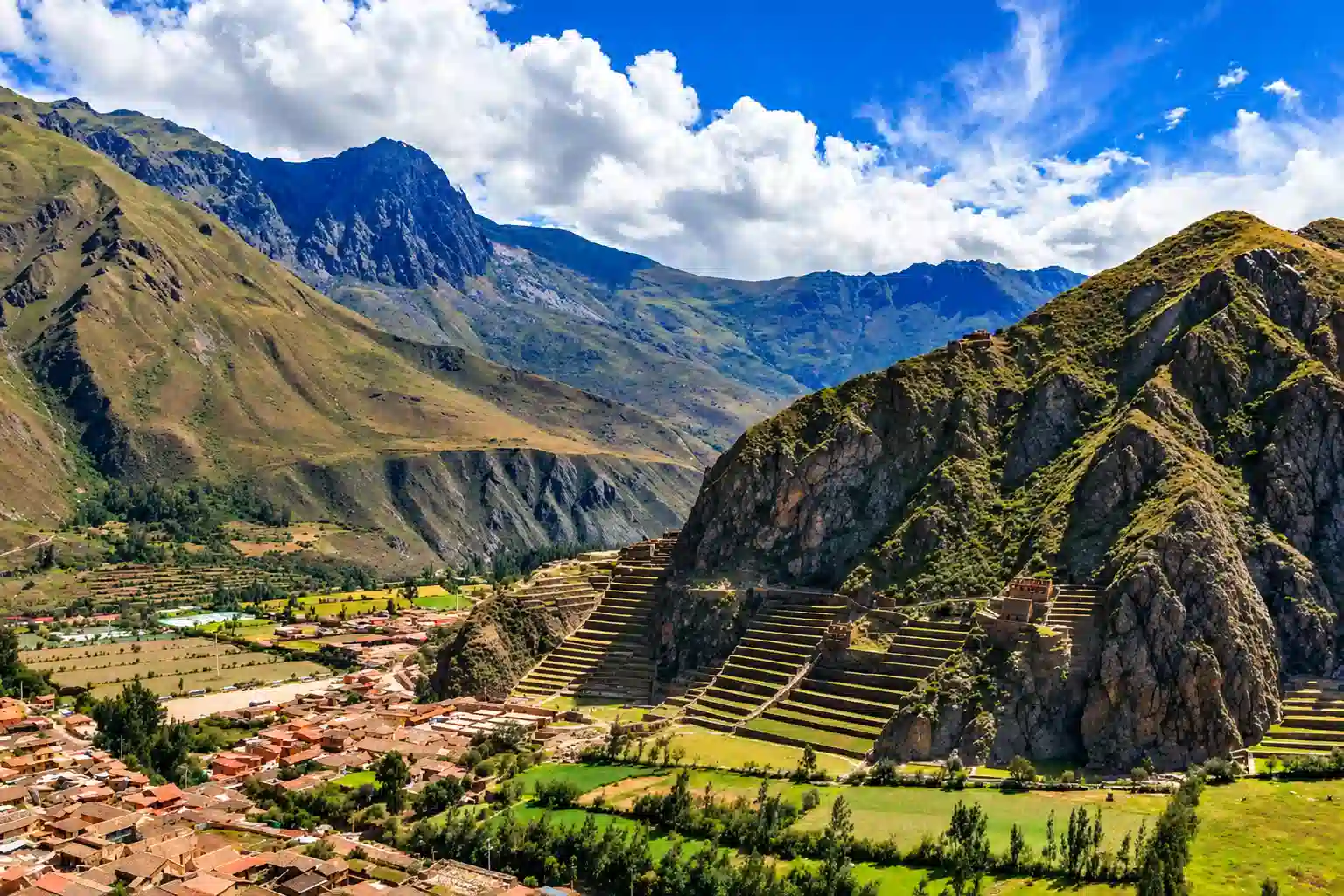
| Ollantaytambo | 2,792 m / 9,160 ft | District record; the fortress terraces sit 150 to 200 m above the plaza |
| Yucay | 2,857 m / 9,373 ft | Valley floor, next to Urubamba |
| Urubamba | 2,871 m / 9,420 ft | One of the lowest towns in the valley, a common acclimatization base |
| Pisac (town) | 2,972 m / 9,751 ft | Sits well below its own ruins |
| Pisac ruins | 3,300 to 3,450 m / 10,800 to 11,300 ft | 350 to 475 m above the town, the hike up is a real altitude gain |
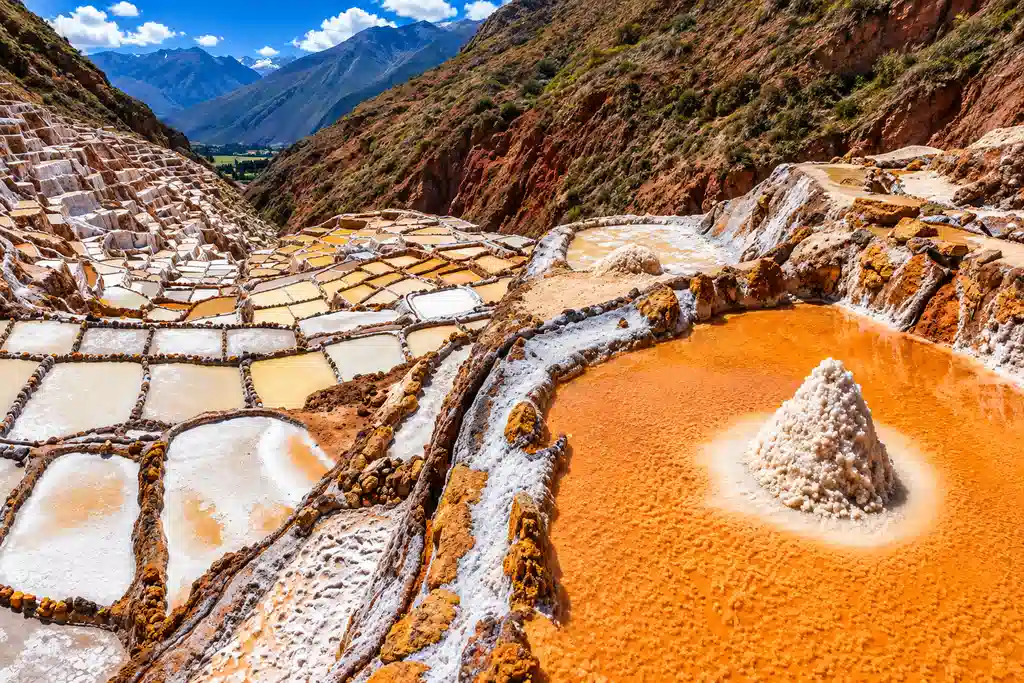
| Salineras de Maras (Salt Mines) | 3,200 m / 10,500 ft | Official Peruvian cultural heritage record |
| Maras (town) | 3,300 m / 10,830 ft | |
| Cusco | 3,399 m / 11,152 ft | INEI, the official Peruvian statistics institute |
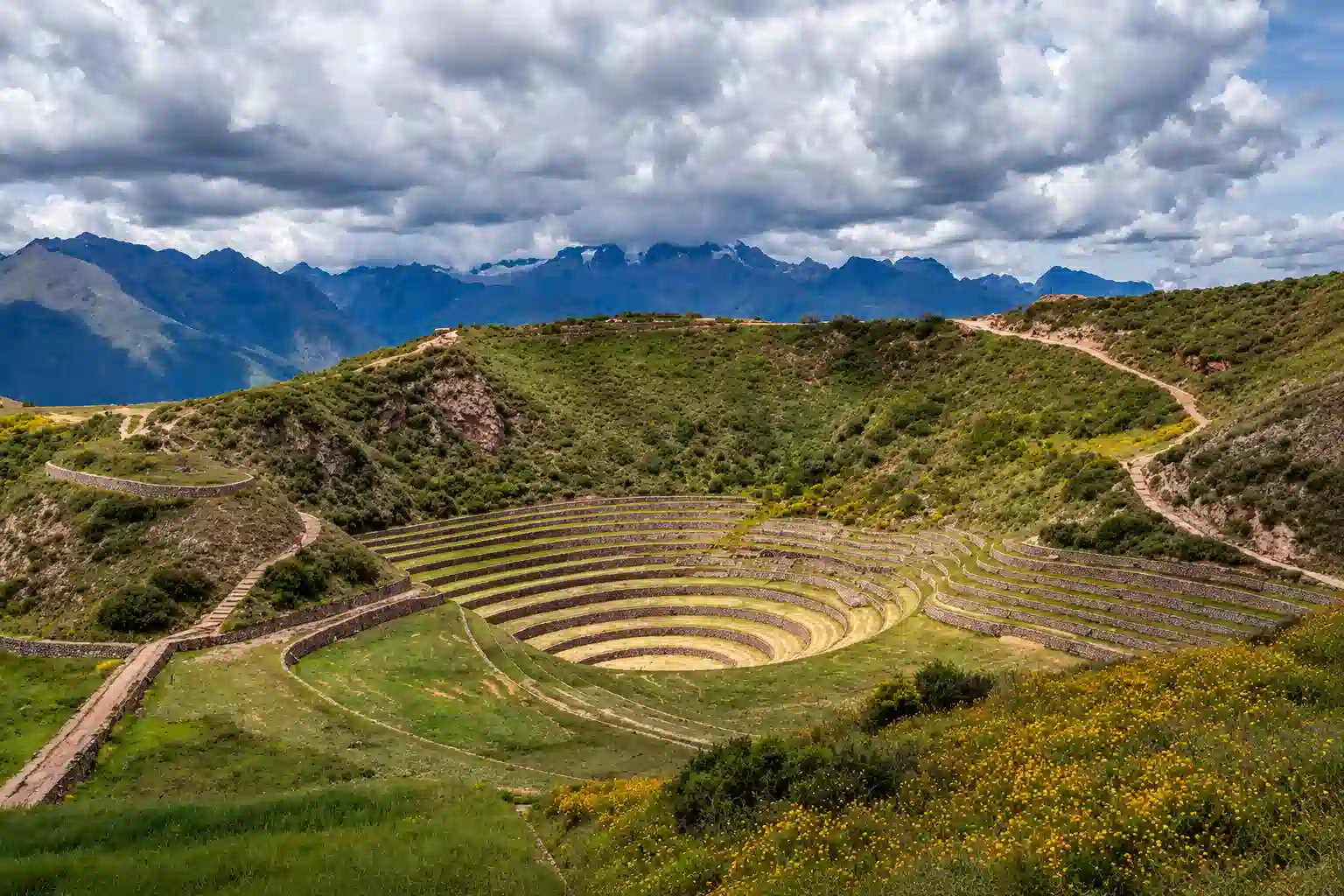
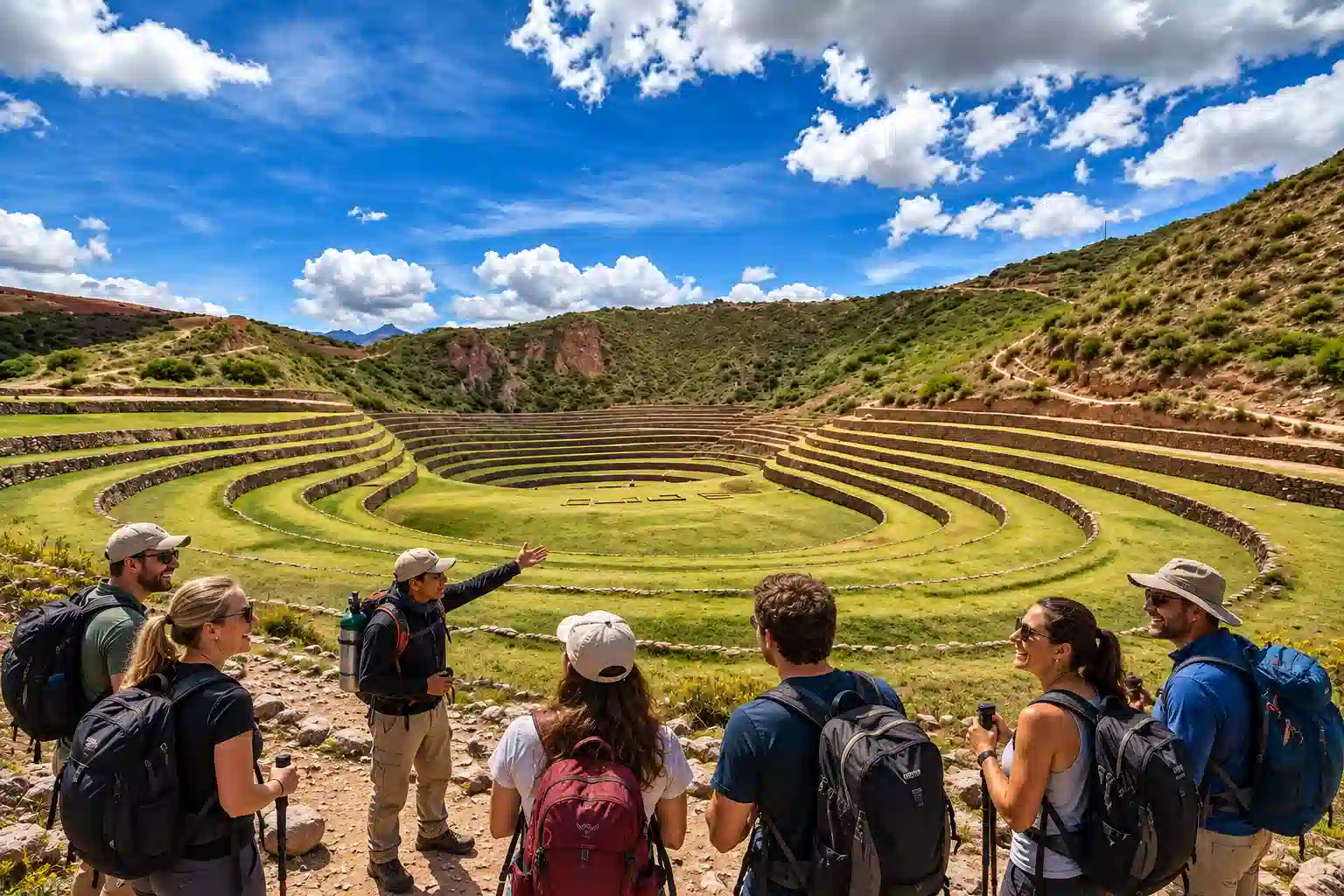
| Moray | 3,500 m / 11,483 ft | Agricultural terraces on the high plateau |
| Chinchero | 3,762 m / 12,342 ft | The highest town in the Sacred Valley, above Cusco |
The pattern that matters most: the valley floor towns (Ollantaytambo, Yucay, Urubamba, Pisac town) sit in a lower band, while Chinchero, Moray and Maras sit on a high plateau at or above Cusco’s elevation. A tour that visits Chinchero or Moray on day one, before the body has adjusted, is not actually an “easy day” from an altitude standpoint. For what to see in each town, read our Sacred Valley Peru guide.
Valley Floor vs. High Plateau: Why Not Every Sacred Valley Town Is Low
The Sacred Valley is carved by the Urubamba (Vilcanota) river, which cuts a deep channel running from east to west. Cusco sits in a high basin above that channel, so descending toward the river drops travelers several hundred meters. That explains Ollantaytambo, Urubamba and Yucay’s lower elevation.
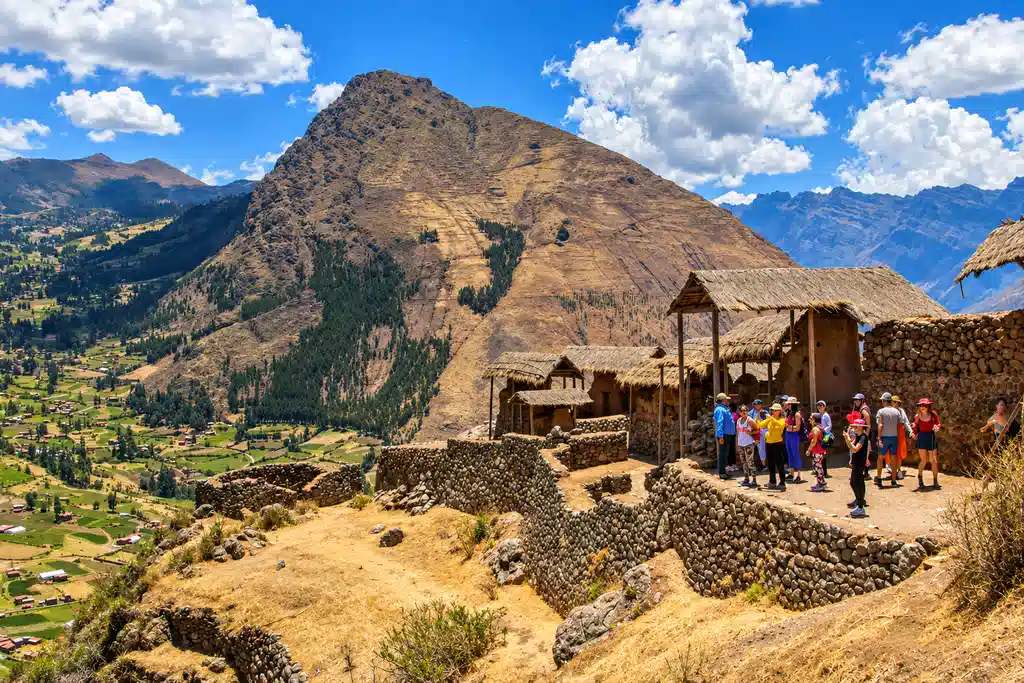
Chinchero, Moray and Maras sit on a separate high plateau above the river canyon, not inside it. This is the detail most competing guides get wrong: they describe “the Sacred Valley” as uniformly lower than Cusco, when in reality the valley floor and the high plateau are two different altitude zones inside the same region. A traveler who sleeps in Urubamba but spends the afternoon at Moray or Chinchero is still exercising at Cusco altitude or higher.
Understanding Altitude Sickness (AMS) in Cusco and the Sacred Valley
Acute Mountain Sickness becomes clinically relevant above 2,500 m, according to the Wilderness Medical Society, with susceptible cases reported from 2,000 m. Symptoms typically start 6 to 12 hours after arrival. The diagnostic standard is the Lake Louise Score: headache plus at least one of nausea, fatigue, dizziness or trouble sleeping counts as AMS.
Because most travelers fly directly from Lima (sea level) to Cusco at 3,399 m, the CDC Yellow Book states plainly that on this kind of rapid ascent “altitude illness rates approach 50%”, naming Cusco and La Paz specifically. Two peer reviewed studies confirm it in practice:
- Salazar et al., Journal of Travel Medicine, 2012 (991 travelers to Cusco): 48.5% reported AMS, and 17.1% had severe AMS. One in five travelers with AMS changed their travel plans because of it.
- Caravedo et al., Journal of Travel Medicine, 2022 (142 language students in Cusco): 39% developed AMS, roughly two in five travelers.
For comparison, only about 25% of visitors to Colorado above 2,450 m develop AMS, according to the CDC, underscoring how much altitude and ascent speed matter at Cusco’s elevation. Inside the Sacred Valley itself, prevalence is meaningfully lower because most base towns sit under 3,000 m: cases are usually mild, a headache or disrupted sleep in the first 24 to 48 hours, except at Chinchero, Moray, Maras and the higher ruins.
Official Acclimatization Guidelines: What the CDC and WMS Recommend
The CDC Yellow Book (2026 edition, Hackett and Shlim) recommends acclimatizing a minimum of 2 to 3 nights at 2,450 to 2,750 m before going higher, and advises against jumping from below 1,200 m to above 2,750 m of sleeping altitude in a single day. Above 3,000 m, sleeping altitude should not increase more than 500 m per day, with an extra acclimatization night added for every 1,000 m gained. It also recommends avoiding alcohol for the first 48 hours and keeping activity light during that window.
The Wilderness Medical Society (2024, Luks et al.) gives a closely related rule for travel above 3,000 m: do not increase sleeping altitude by more than 500 m per day, and include one rest day every 3 to 4 days, keeping the trip’s average ascent rate under 500 m per day.
In practice, before a multi day trek like the Inca Trail or the Salkantay Trek, operators and experienced travelers recommend spending 2 to 3 days in Cusco or the Sacred Valley first. Full acute acclimatization takes 3 to 5 days, per the CDC.
Medication and Remedies: What Actually Works
| Remedy | What the evidence shows |
|---|---|
| Acetazolamide (Diamox) | WMS 2024 dosing: 125 mg every 12 hours for prevention, 250 mg every 12 hours for treatment or high risk profiles. Start the night before ascending when possible; continue 2 days after reaching the highest altitude. |
| Dexamethasone | 2 mg every 6 hours or 4 mg every 12 hours for prevention; 4 mg every 6 hours for AMS treatment; 8 mg initial dose for HACE. |
| Nifedipine | Used specifically for HAPE prevention and treatment, 30 mg extended release every 12 hours. |
| Ibuprofen | 600 mg every 8 hours, an alternative for AMS prevention for travelers who cannot take acetazolamide or dexamethasone. |
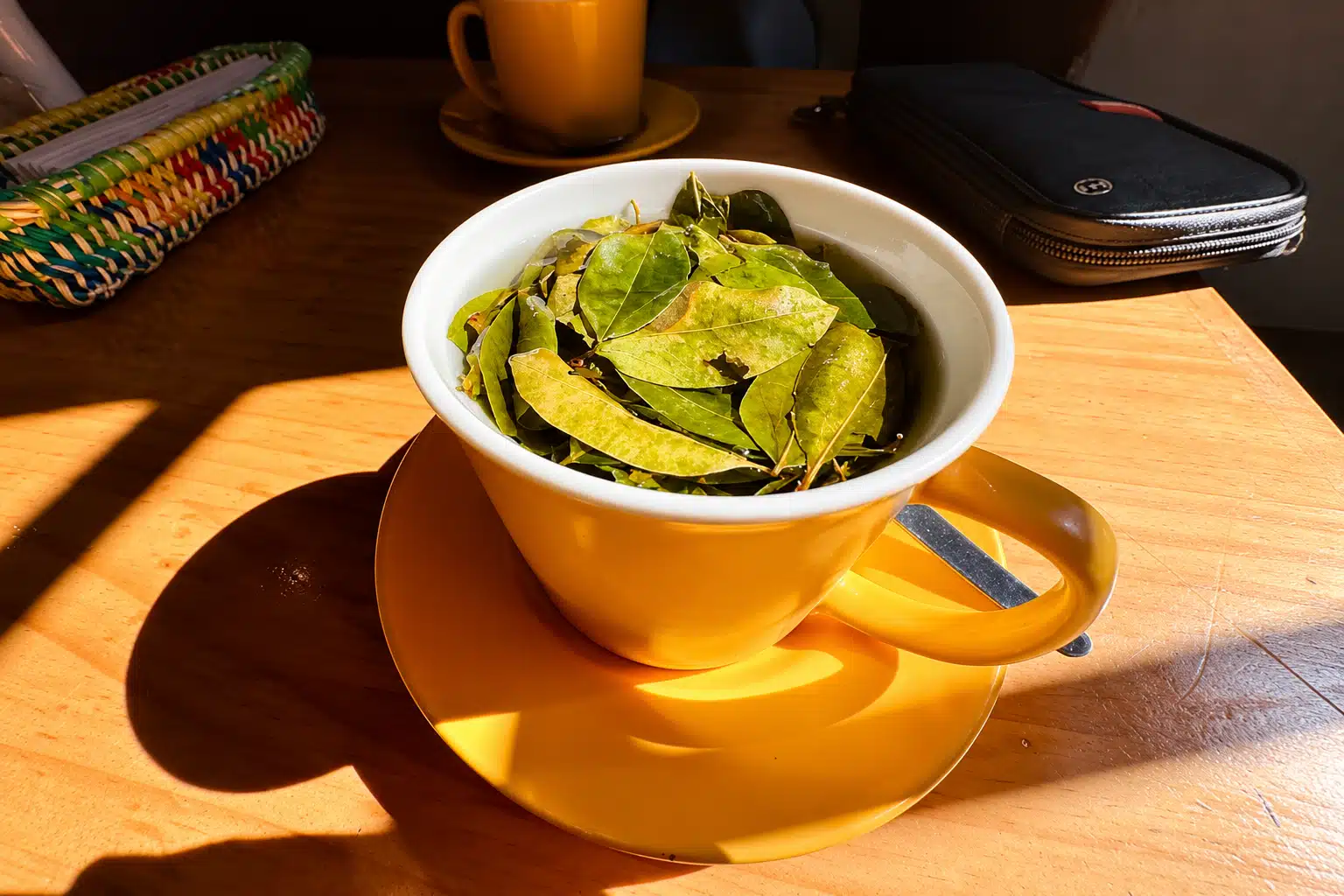
| Coca tea (mate de coca) | A centuries old Andean tradition, but the 2022 Caravedo cohort study found coca tea consumption was not associated with lower AMS risk, while acetazolamide clearly was. It may ease symptoms, but it is not reliable prevention. |
| Sorojchi pills | A combination of aspirin, salophen and caffeine sold locally. Not proven to prevent AMS, useful only for headache relief. |
| Supplemental oxygen | Highly effective. Available in enriched hotel rooms and private clinics in Cusco. |
Peru’s Ministry of Health (MINSA) advises against taking acetazolamide without a medical prescription, recommends ibuprofen for mild headache, plenty of fluids, and light meals, and notes that children experience altitude sickness just as adults do, though they often show it through persistent crying rather than describing symptoms.
A Sample Acclimatization Itinerary in the Sacred Valley
This order follows the CDC’s own guidance, which names Cusco specifically as a case where descending to sleep at a lower altitude for a night or two before ascending can reduce or eliminate the need for medication.
| Day | Plan |
|---|---|
| Day 1 | Land in Cusco, transfer directly to Urubamba or Ollantaytambo. Light activity only, hydrate, avoid alcohol. |
| Day 2 | Explore the valley floor at an easy pace: Ollantaytambo town, Urubamba, or a gentle visit to Pisac town. Save Moray, Maras and Chinchero for later in the trip. |
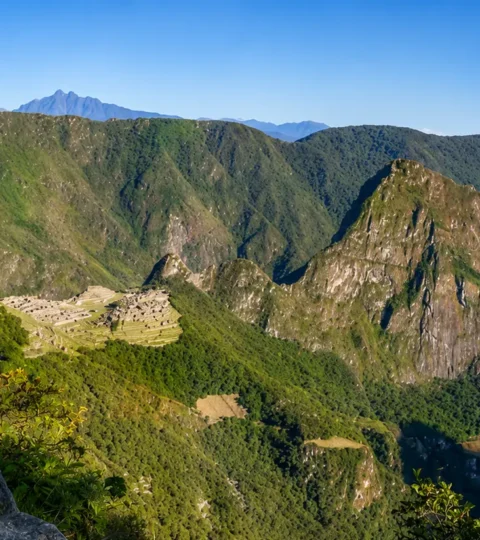
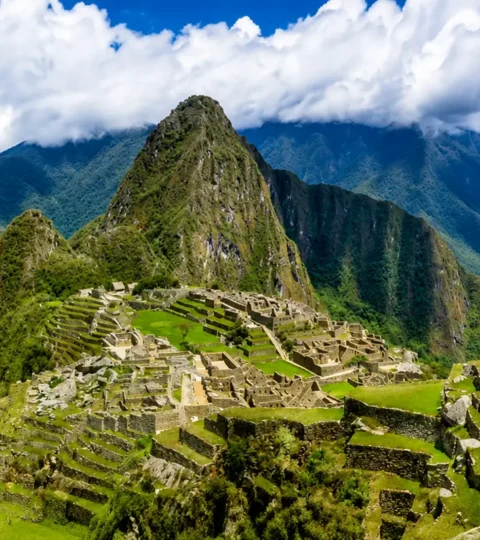
| Day 3 | Visit Machu Picchu (2,430 m), lower than the valley floor towns. |
| Day 4 | Move up to Cusco, now acclimatized from three nights below 3,000 m. |
Sacred Valley or Cusco First? The Case for Starting in the Valley
The physiological argument is straightforward: sleeping lower means better digestion and better rest during the first, most vulnerable nights. The CDC Yellow Book directly supports it, stating that travelers can descend to sleep at altitudes below the airport for one to two nights before ascending, which may avoid the need for medication altogether. Established Cusco tour operators, and travelers on TripAdvisor’s Cusco and Sacred Valley forums, consistently recommend heading straight to the valley from the airport.
To be fair to the other side of the argument: the valley is not a guarantee against altitude sickness. Travelers who already feel unwell in Cusco were likely affected first at a similar or lower altitude. If a flight lands late at night, a Cusco hotel can be more practical than a 90 minute transfer. And there is no dedicated clinical trial comparing the Sacred Valley against Cusco directly, this is a well supported extrapolation from general ascent rate guidelines, not a study on this exact route.
Warning Signs: HAPE and HACE
High Altitude Cerebral Edema (HACE) is severe AMS accompanied by confusion, an unsteady walk (ataxia), or altered mental state. Treatment is immediate descent, dexamethasone, and oxygen.
High Altitude Pulmonary Edema (HAPE) shows as breathlessness at rest, a cough that can become foamy, chest tightness, and low blood oxygen. Treatment is descent, oxygen, and nifedipine.
Both conditions are rare at the elevations of Cusco and the Sacred Valley, but not impossible. Most AMS cases are mild and resolve within 24 to 72 hours. If symptoms worsen instead of improving, descending 300 to 1,000 m and seeking medical help is the right call. Cusco has tourist oriented private clinics, including Cima and Clínica Suiza, with hyperbaric chambers, oxygen, and English speaking staff.
Who Is Most at Risk?
- Physical fitness does not protect against AMS. The CDC states plainly that training and fitness level do not affect risk or predict acclimatization.
- Age: children are just as susceptible as adults; travelers over 50 have a slightly lower risk.
- Sex: the CDC considers it a minor factor overall, though the 2022 Caravedo study found higher risk among women.
- Previous AMS history is the strongest predictor of future episodes at similar altitude and ascent speed.
- Obesity was a strong risk factor in the Cusco study population.
- Preexisting conditions: the CDC lists severe heart or lung disease, sickle cell disease, and high risk pregnancy as contraindications for high altitude travel. Asthma, sleep apnea, coronary artery disease, and hypertension call for a medical checkup before the trip. Pregnant travelers at high risk or near term should avoid sleeping above roughly 2,500 to 3,050 m, especially where medical care is hard to reach.
Sacred Valley Altitude Compared to Other Peru Destinations
| Destination | Elevation |
|---|---|
| Lima | 160 m / 525 ft |
| Machu Picchu citadel | 2,430 m / 7,972 ft |
| Ollantaytambo | 2,792 m / 9,160 ft |
| Urubamba | 2,871 m / 9,420 ft |
| Pisac town | 2,972 m / 9,751 ft |
| Cusco | 3,399 m / 11,152 ft |
| Chinchero | 3,762 m / 12,342 ft |
| Puno / Lake Titicaca | 3,810 m / 12,500 ft |
| Warmiwañusca (Inca Trail’s highest pass) | 4,215 m / 13,828 ft |
| Abra Salkantay | 4,630 m / 15,190 ft |
| Rainbow Mountain (Vinicunca) | 5,036 m / 16,522 ft |
Seen this way, the Sacred Valley’s altitude range is one of the gentler parts of a Cusco trip, well below both the Inca Trail’s Warmiwañusca pass and the Salkantay Trek’s high point.
Frequently Asked Questions
Is the Sacred Valley lower than Cusco?
Yes, for most of it. Ollantaytambo, Urubamba, Yucay and Pisac town sit 400 to 600 m below Cusco’s 3,399 m. Chinchero, Moray and Maras are the exception, sitting at or above Cusco’s altitude on a separate high plateau.
Should I acclimatize in Cusco or the Sacred Valley first?
The Sacred Valley is the better first stop for most travelers. Its lower elevation falls inside the CDC’s recommended acclimatization range, and the CDC Yellow Book specifically names Cusco as a destination where sleeping lower for a night or two before ascending can help.
Does coca tea help with altitude sickness?
Not reliably, according to the evidence. A 2022 peer reviewed study found no association between coca tea consumption and lower AMS risk, while acetazolamide clearly reduced it. Coca tea can offer mild symptomatic comfort, not real prevention.
Should I take Diamox (acetazolamide) for Cusco?
The Wilderness Medical Society’s 2024 dosing for prevention is 125 mg every 12 hours, started the night before ascending when possible. Peru’s Ministry of Health advises against taking it without a prescription, so this decision should be made with a doctor before the trip.
How many days do I need to acclimatize before the Inca Trail or Salkantay Trek?
Most operators and experienced travelers recommend 2 to 3 days in Cusco or the Sacred Valley before starting either trek. Full acute acclimatization takes 3 to 5 days according to the CDC.
Is altitude sickness a problem at Machu Picchu?
Less than in Cusco or the Sacred Valley’s high plateau towns. Machu Picchu citadel sits at 2,430 m, lower than every Sacred Valley base town, which is one reason many itineraries visit it early in the trip.
Can I fly from Lima straight to the Sacred Valley without stopping in Cusco?
Yes. Cusco’s airport is a transit point; travelers can arrange a direct transfer to Urubamba or Ollantaytambo the same day, which is exactly the strategy the CDC guidance supports.
What are the warning signs that altitude sickness is becoming serious?
Confusion, an unsteady walk, or breathlessness at rest are signs of HACE or HAPE, both rare but serious. Descending and seeking medical care immediately is the right response; Cusco has tourist oriented clinics equipped for this.
Does physical fitness reduce the risk of altitude sickness?
No. The CDC states that training and fitness level do not affect altitude sickness risk. Ascent speed, prior history, and certain health conditions matter far more.
Who should avoid high altitude travel to the Sacred Valley or Cusco entirely?
Travelers with severe heart or lung disease, sickle cell disease, or a high risk pregnancy should consult a doctor before the trip, since the CDC lists these as contraindications for high altitude travel.