
The Short Answer
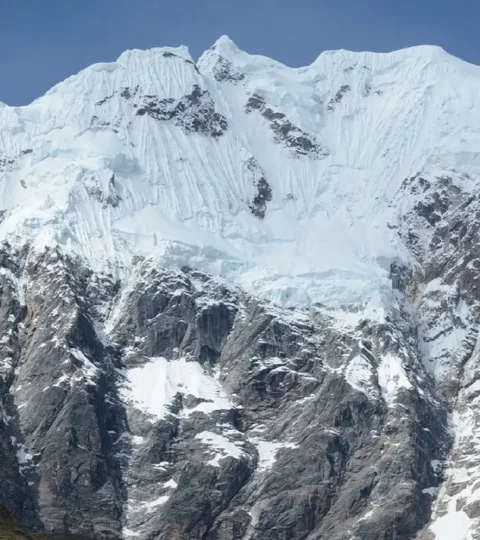
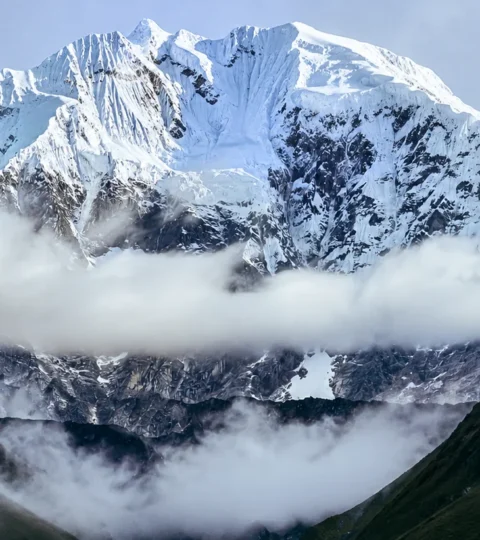
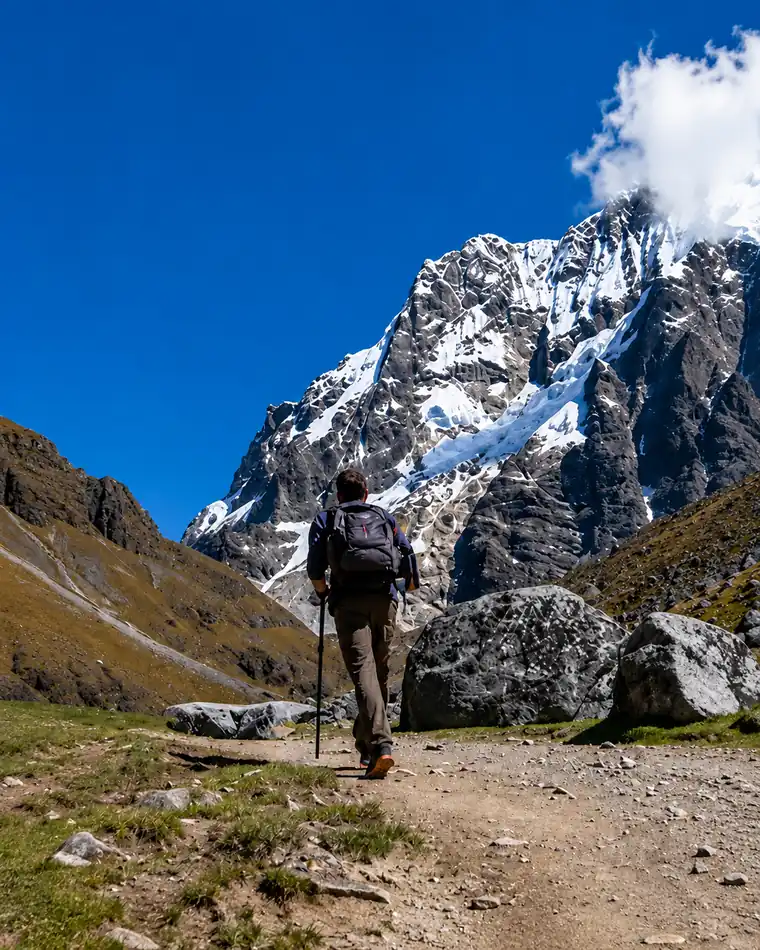
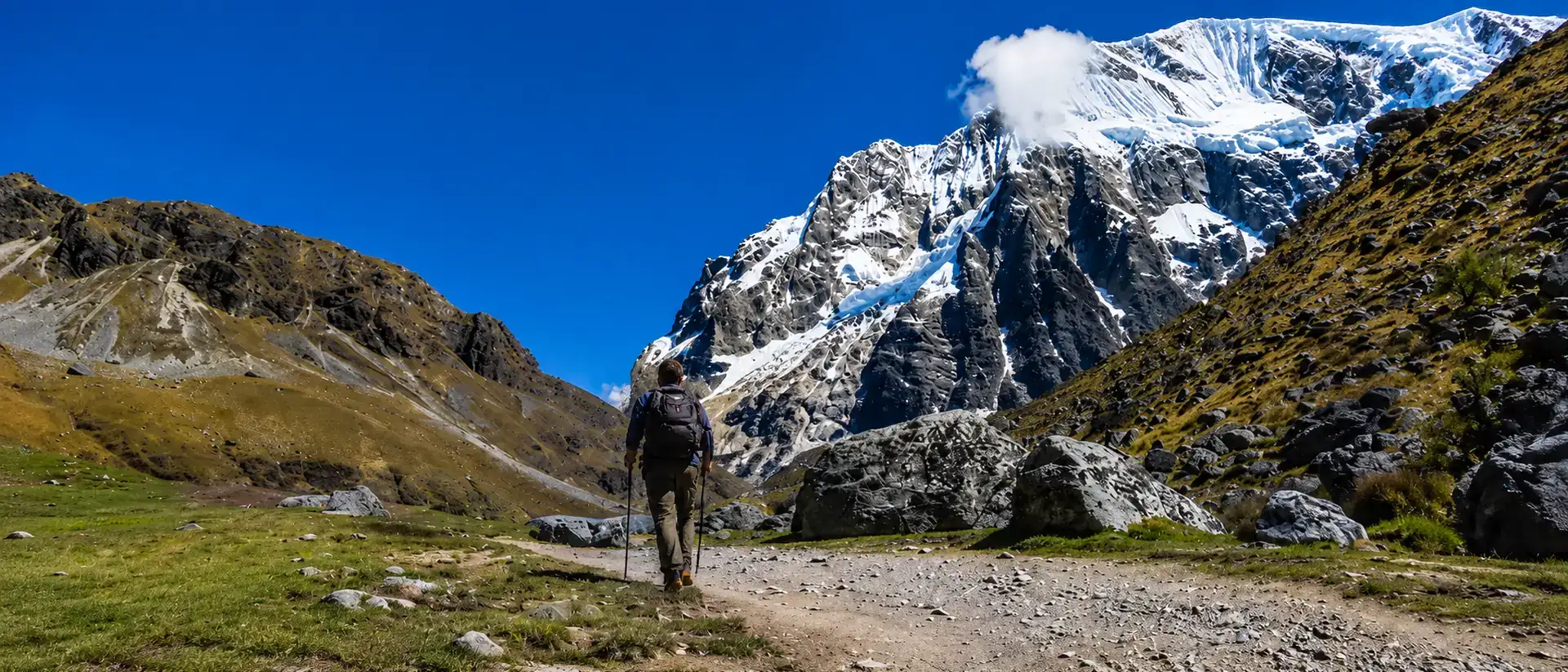
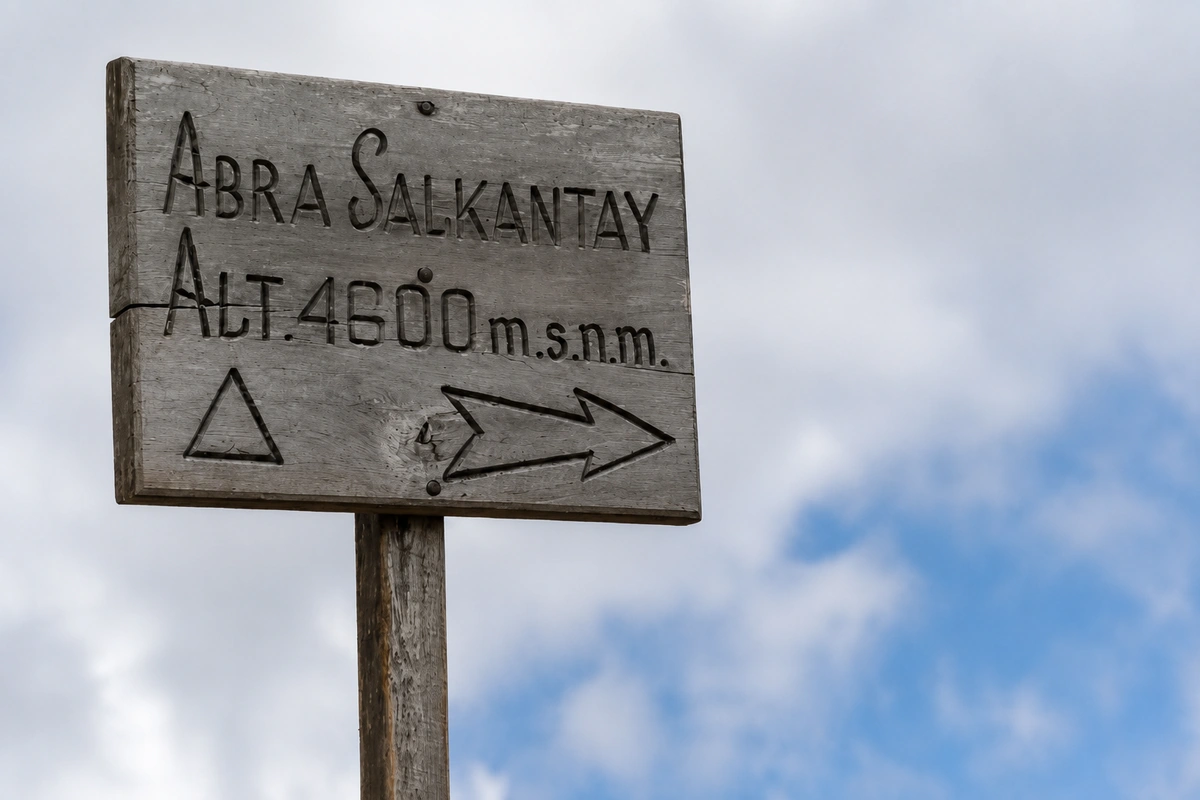
Salkantay Trek difficulty ranges from moderate on the shortest version to demanding on the full five day route. It is a high altitude walk that is physically challenging but needs no climbing skill or technical gear, and its single hardest moment is always crossing the Salkantay Pass at 4,630 m (15,190 ft). The real risk on every version is the altitude, not the walking, so acclimatizing in Cusco first matters more than being an athlete. How hard your trek feels comes down to which version you choose and how well you prepare for the thin air.
How difficult is the Salkantay Trek, really?
On a five level scale that runs from Easy to Extreme, every version of the Salkantay sits between Moderate and Demanding. The trail is well trodden dirt, gravel and stone with no ropes and no exposure that needs mountaineering experience. What makes it hard is the combination of thin air, long days on your feet, and steep descents that punish the knees. Over the full route you walk roughly 72 km and climb to the Salkantay Pass at 4,630 m before dropping down to the cloud forest around 2,000 m.
Two things decide the Salkantay Trek difficulty: how much of it you actually walk versus transfer by vehicle, and how well you acclimatize to the altitude beforehand.
And if you are wondering how it stacks up against the other famous route, the Salkantay is actually the higher and harder trek of the two. We break that down in full in our Salkantay Trek vs Inca Trail comparison, so here we stay focused on the difficulty itself.
Salkantay Trek difficulty by number of days
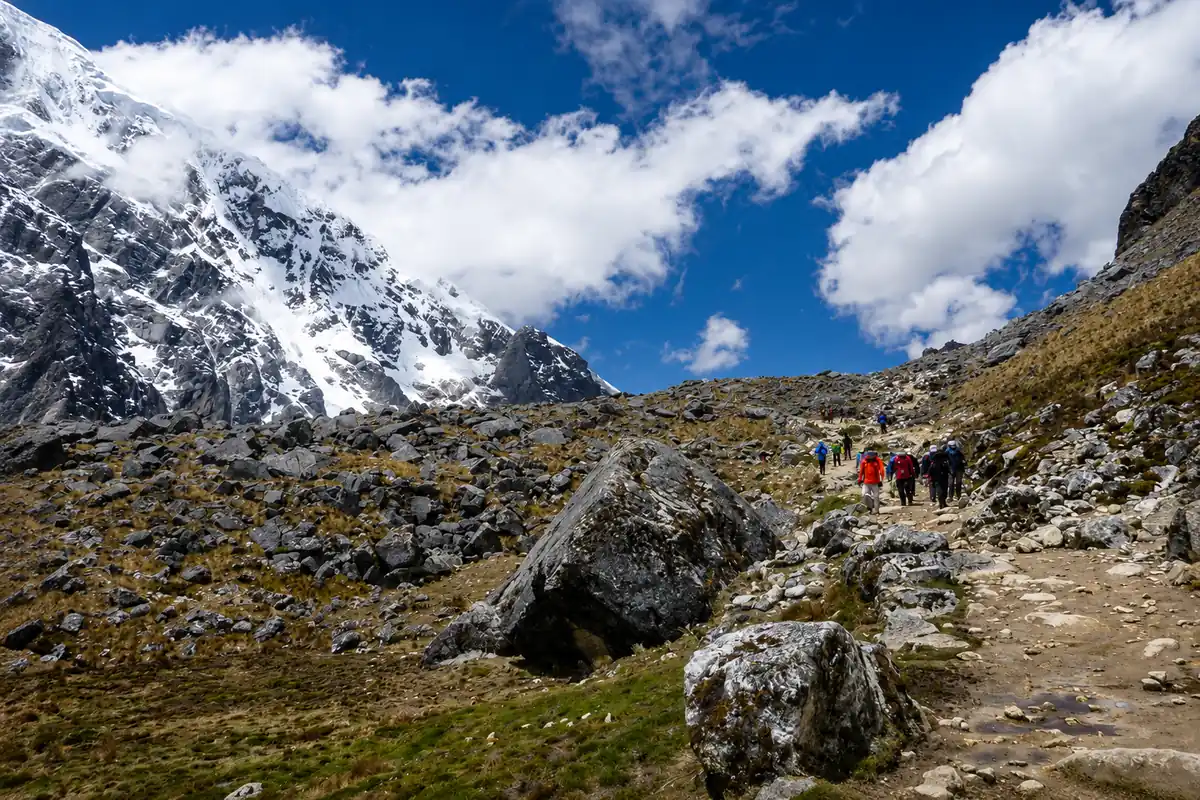
Here is the part most guides get backwards: the longer version is the hardest, not the easiest. The more days you spend on the trail, the more you actually walk. The shorter versions are not tougher, they simply replace the hardest hiking sections with vehicle transfers. The one thing every version shares is the altitude, so wherever you land, acclimatize in Cusco for two or three days first. Here is how the four versions compare.
| Version | Level (1 to 5) | What makes it that level | Altitude risk |
|---|---|---|---|
| 5 day | Demanding (4) | Two hard days: the Salkantay Pass on day two and the Llactapata trek on day four; the most walking overall | Lower, most gradual pacing |
| 4 day | Challenging (3), up to 4 with Llactapata | Crosses the pass, then at Lucmabamba you choose the Llactapata climb (harder) or a zipline and hot springs (easier) | Moderate |
| 3 day | Challenging (3) | The same Lucmabamba choice as the four day, compressed into less time | Higher, less time to adapt |
| 2 day | Moderate to Challenging (2 to 3) | Humantay Lake, a night near the pass, then over the pass and a short descent back to Soraypampa | The main thing to manage, from sleeping high |
Swipe the table sideways to see more →
5 day Salkantay Trek: the most complete and most demanding
Route: Cusco → Soraypampa → Humantay Lake → Salkantay Pass → Chaullay → Lucmabamba (optional zipline and Cocalmayo hot springs) → Llactapata → Hidroelectrica → Aguas Calientes → Machu Picchu → Ollantaytambo or Hidroelectrica → Cusco
This is the hardest version, and the most rewarding. It has two genuinely hard days: crossing the Salkantay Pass on day two, and the Llactapata trek on day four, which is the second toughest day of the whole route. You walk more here than on any other version, and in return you get the most gradual pace, the best acclimatization, and the classic view of Machu Picchu from the Llactapata ruins. At Lucmabamba you can also add an optional zipline or a soak in the Cocalmayo hot springs. See our 5 day Salkantay Trek for the full day by day plan.
4 day Salkantay Trek: the flexible classic
Route: Cusco → Soraypampa → Humantay Lake → Salkantay Pass → Lucmabamba → Llactapata, or zipline and Cocalmayo hot springs → Hidroelectrica → Aguas Calientes → Machu Picchu → Ollantaytambo or Hidroelectrica → Cusco
The four day version keeps the big moment, crossing the Salkantay Pass, and then gives you a choice at Lucmabamba. You can add the Llactapata climb on the way to Hidroelectrica, which makes the trek noticeably harder and brings it close to the five day, or you can take the zipline and the Cocalmayo hot springs instead and still reach Hidroelectrica, which keeps it a step easier and just below the five day level. Either way you get the pass and the scenery in a little less time. Details are on our 4 day Salkantay Trek page.
3 day Salkantay Trek: the compressed route
Route: Cusco → Soraypampa → Salkantay Pass → Lucmabamba → Llactapata, or zipline and Cocalmayo hot springs → Hidroelectrica → Aguas Calientes → Machu Picchu → Ollantaytambo or Hidroelectrica → Cusco
The three day version is a shortened take on the same trek, and it offers the same choice at Lucmabamba as the four day: the Llactapata climb, which lifts it to the four day level, or the easier zipline and Cocalmayo hot springs, which keeps it light. It skips Humantay Lake and moves quickly, so with fewer days you have less room to adapt to the altitude, which makes your days in Cusco beforehand even more important.
2 day Salkantay Trek: the easiest way to see the pass
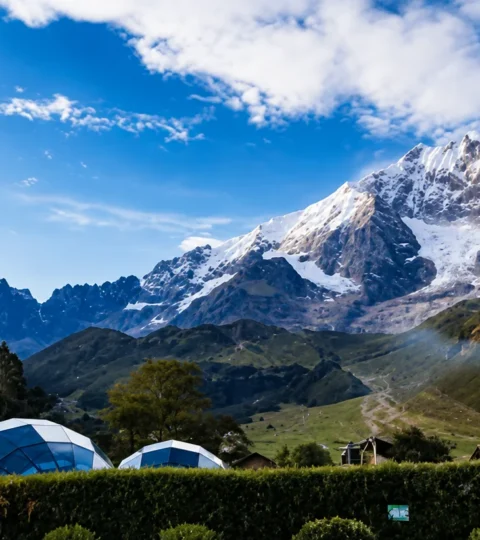
Route: Cusco → Soraypampa → Humantay Lake → Quiswarniyoc sky domes → Salkantay Pass → Soraypampa → Cusco
The two day version is the most accessible. On day one you hike to Humantay Lake and sleep in the sky domes at Quiswarniyoc, and on day two you climb to the Salkantay Pass and then take the short descent back down to Soraypampa, where your vehicle is waiting. Because you return the way you came instead of dropping all the way into the jungle, this descent is far shorter and gentler than on the longer versions, which is what makes it the easiest option. The one thing to take seriously is the altitude, since you sleep high on the first night. If you would rather skip the camp altogether, our Humantay Lake tour is an easy one day alternative.
The altitude is the hardest part, not the walking
The Salkantay Pass sits at 4,630 m, where the air holds barely more than half the oxygen of sea level. Altitude sickness, known locally as soroche, becomes common in this range. The most important thing you can do is spend at least two to three days in Cusco (3,350 m) or the Sacred Valley before you start, so your body has already begun to adapt.
Watch for the warning signs: a persistent headache with nausea, dizziness, poor sleep or unusual fatigue are early altitude sickness. Loss of coordination, confusion, or breathlessness while resting are serious and mean you must descend at once. Going down is always the definitive fix. To lower your risk, walk slowly and steadily rather than in bursts, drink plenty of water, eat well, and avoid alcohol on the first days. Good operators, including us, carry emergency oxygen on the trail. Any medication for altitude should be discussed with your doctor before the trip.
What fitness level do you need?
Most of the Salkantay Trek difficulty comes down to endurance, not raw strength. You do not need to be an athlete, but you should be comfortable hiking around six hours over hilly terrain on back to back days while carrying a light daypack. A sensible way to prepare is eight to twelve weeks of training: regular cardio such as walking, running or cycling, some leg strength work like squats and lunges, and longer weekend hikes that build up distance and elevation. Practice going downhill too, because the long descents cause most of the knee soreness people report.
Because pack animals carry your main duffel and an emergency riding horse is available, you only ever carry a daypack, which lowers the real difficulty considerably. Fit older travelers often do very well, since good acclimatization matters more than age. People with unstable heart or lung conditions, or a history of severe altitude illness, should get medical clearance first and the high camps are not suitable during pregnancy.
When is the Salkantay Trek easiest?
The dry season from May to October is the most comfortable time to trek, with stable weather and clear views of the pass, though the nights near Soraypampa and the pass drop below freezing. The rainy season from November to March makes the trek noticeably harder: muddy and slippery descents, cold wet nights, higher chance of landslides on the lower road and clouds that can hide the mountains. The trade off is greener scenery and far fewer people. Whatever the season pack a proper layering system, because you cross from freezing high country to warm humid cloud forest in the space of a couple of days.
Simple tips to make the Salkantay Trek easier
- Arrive in Cusco two or three days early and let your body adjust before you start.
- Set a slow steady pace on the pass day and do not try to keep up with faster hikers.
- Bring broken in waterproof boots and trekking poles, which save your knees on the long descents.
- Pack a warm sleeping bag or rent one, since the first nights can fall well below zero.
- Protect yourself from the strong high altitude sun with sunscreen, a hat and sunglasses.
- Tell your guide at the very first sign of a bad headache, vomiting or extreme fatigue.
Ready to take on the Salkantay?
Here is the honest takeaway after all of that: the Salkantay is not a trek for elite athletes, it is a trek for ordinary travelers who prepare a little and pick the right version. Almost everyone who worries they are not fit enough still makes it to the pass, and most of them say the same thing at the top, that it was hard, and that it was worth every single step.
And you never do the hard part alone. Your duffel rides on a pack animal, oxygen and an emergency horse come with you, and your guide sets a pace the whole group can hold and knows exactly what to do if the altitude bites. Your job is to carry a light daypack, take your time, and soak in the glacier, Humantay Lake and that first look at Machu Picchu.
Tell us your travel dates and how much hiking you actually enjoy, and we will match you to the 2, 3, 4 or 5 day Salkantay that fits you and build the rest of your trip around it. See every route and start planning on our Salkantay Trek page.