
The Short Answer
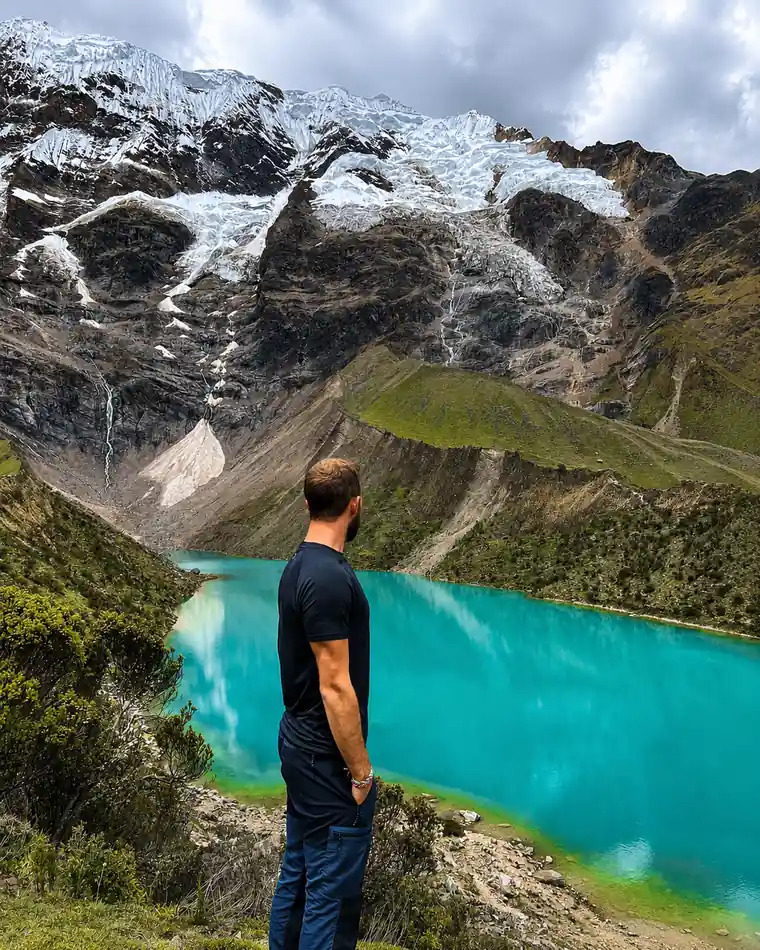
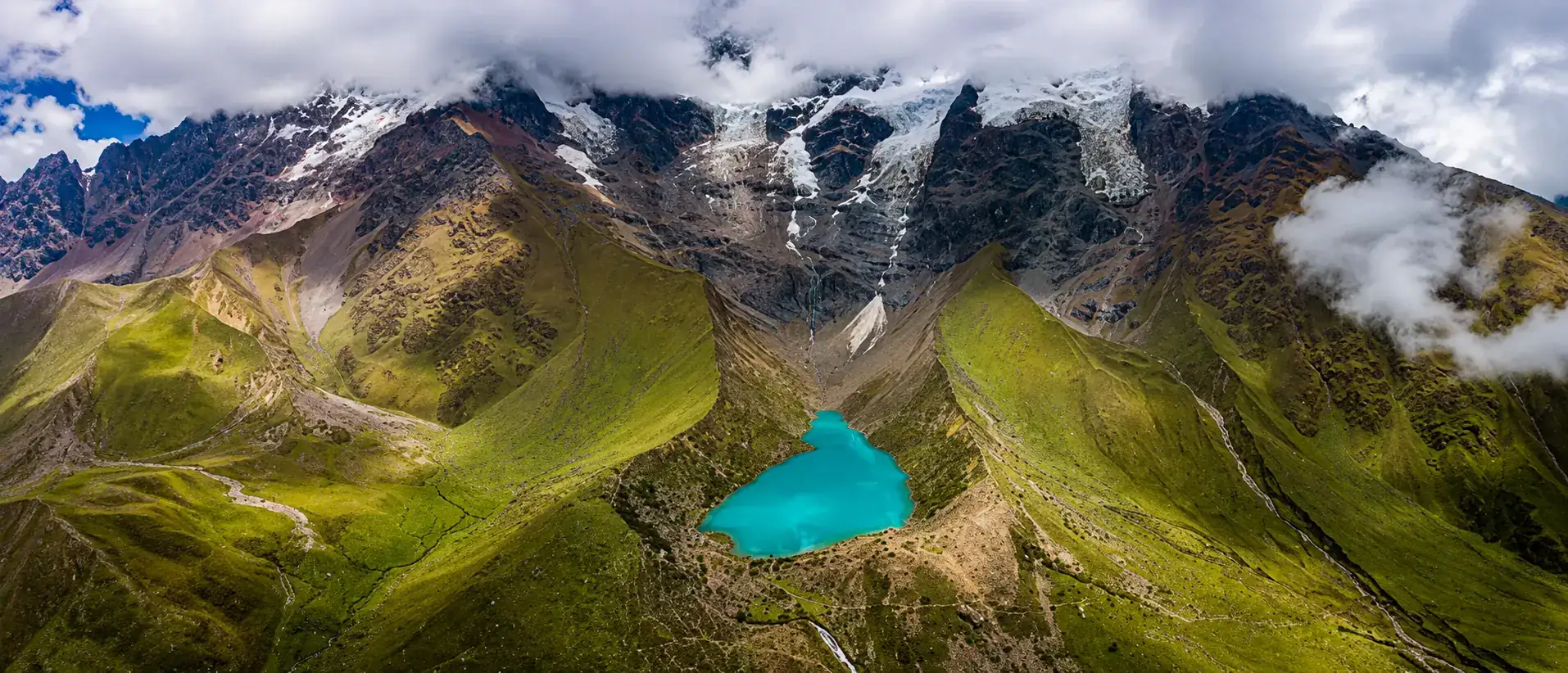
Humantay Lake Peru is a turquoise glacial lake sitting at about 4,200 meters (13,780 ft) in the Cordillera Vilcabamba, roughly a three to three and a half hour drive from Cusco. Most people visit it on a long full day trip from the city, and it is also the classic first stop on the Salkantay Trek to Machu Picchu.
The hike from the Soraypampa trailhead up to the lake is short, around 1.5 to 2 hours, but the altitude makes it genuinely demanding. This guide covers where it is, how high it is, how hard the hike really is, when to go, what it costs, and how to visit responsibly. If you want the easiest way to see it, our Humantay Lake 1 Day tour handles the early start and the logistics for you.
Where Is Humantay Lake Peru?
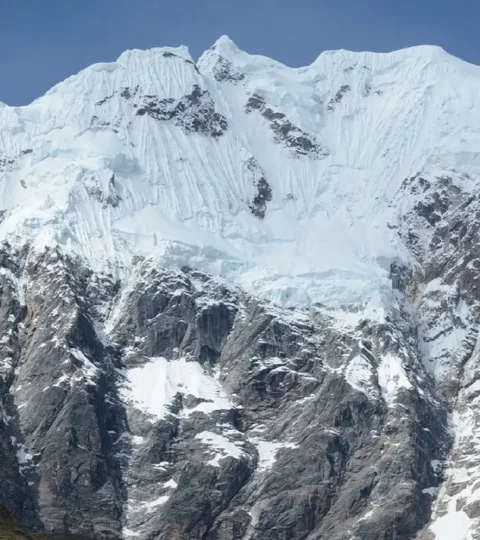
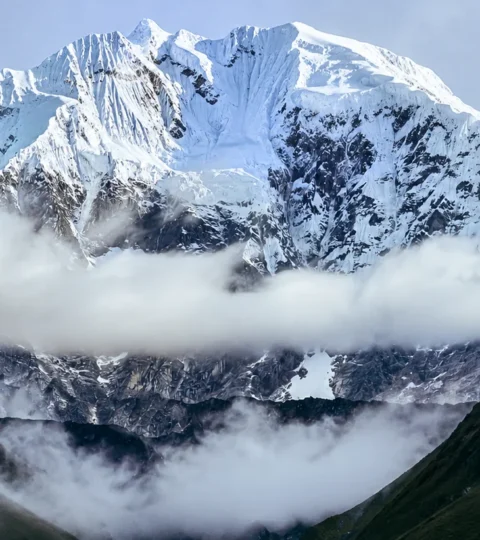
Laguna Humantay lies in the district of Mollepata, province of Anta, in the Cusco region, at the foot of the glaciated peak of Nevado Humantay. It is a moraine-dammed glacial lake, fed by meltwater from the Humantay glacier, and it sits just above the Soraypampa campsite on Day 1 of the Salkantay Trek. The site is roughly 120 km northwest of Cusco city.
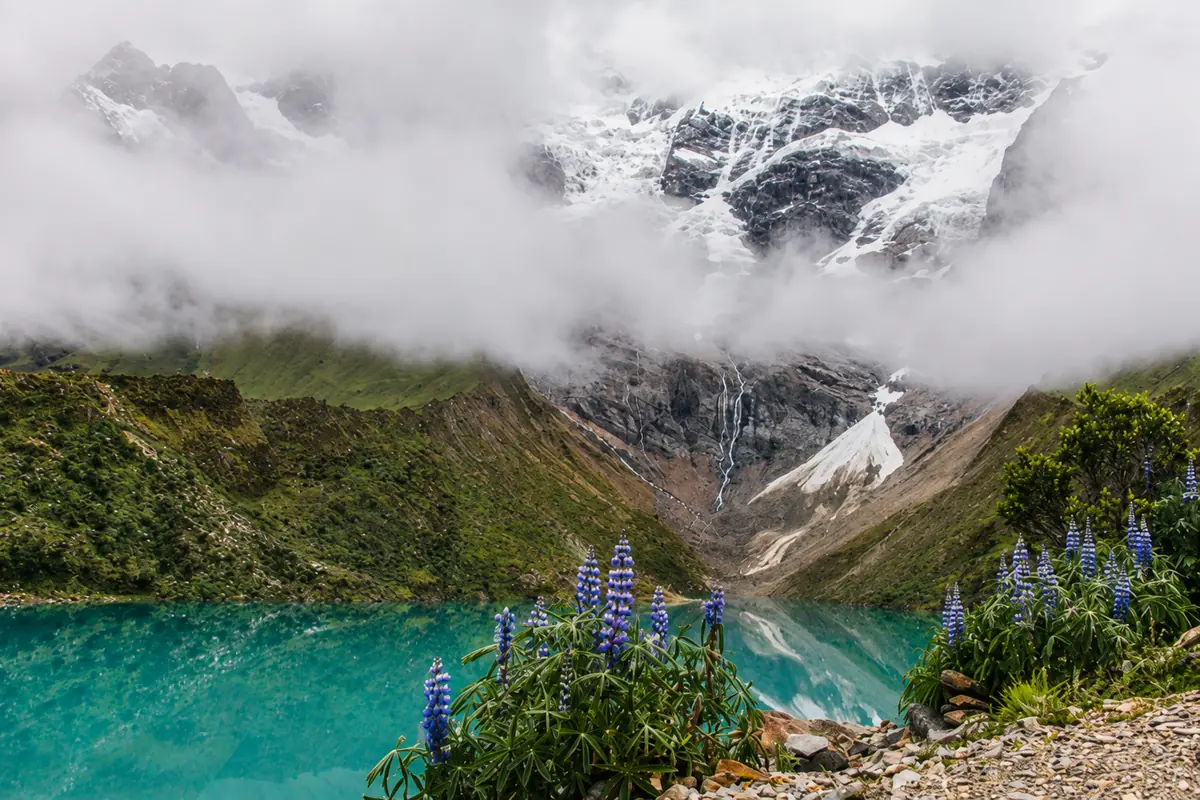
You will see the name written several ways, including Laguna Humantay, Laguna de Humantay, Humantay Lagoon, and Lake Humantay. The name comes from Quechua and is often translated as “head of the gods,” a nod to the mountain’s spiritual importance, though that translation is a popular one rather than settled linguistics.
How high is it?
The lake itself sits at about 4,200 meters (13,780 ft), the figure used by Peru’s glacier institute INAIGEM. Some operators quote 4,250 to 4,300 meters, but those numbers refer to the upper viewpoint above the shoreline. Nevado Humantay, the mountain above the lake, rises to about 5,473 meters (17,956 ft) according to Peru’s Instituto Geografico Nacional, although some tourism sources list it closer to 5,900 meters. For context, neighboring Salkantay, the highest peak in the range, reaches 6,271 meters.
How to Visit Humantay Lake from Cusco
The standard full day trip
The most common way to see the lake is a single long day from Cusco. A typical day runs like this: hotel pickup between 4:00 and 5:00 am, a drive of about two hours to the town of Mollepata for breakfast, then roughly another hour on a dirt road to the Soraypampa trailhead.
From there you hike 1.5 to 2 hours up, spend time at the lake, and walk about an hour back down, followed by lunch in Mollepata and the return to Cusco by early evening. Expect a full 12 to 14 hour day. Because the pace is tight and the altitude is real, most first time visitors prefer to go with a guided operator such as our Humantay Lake 1 Day tour, which manages the transport, the early start, and the meals.
As Day 1 of the Salkantay Trek
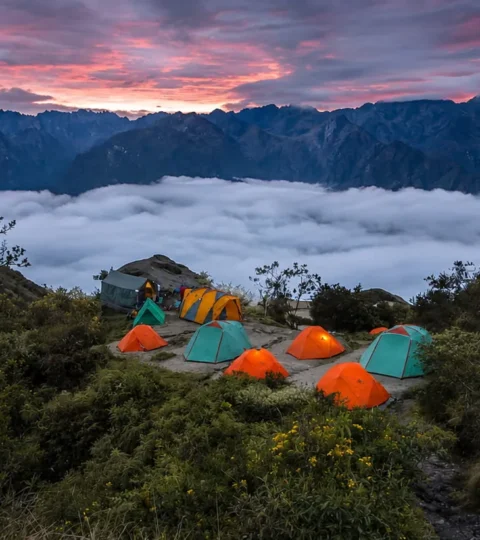
If you are trekking to Machu Picchu the long way, Humantay is the afternoon side trip on the first day of the Salkantay Trek. You drive from Cusco to the trailhead, hike to the Soraypampa camp, and climb up to the lake before crossing the high Salkantay Pass the next day. It is a beautiful acclimatization warm up for the harder days ahead. See our Salkantay Trek 5 Days and Salkantay Trek 4 Days for the full route.
Doing it independently
Reaching Humantay by public transport is possible but awkward. You can take a bus from Cusco to Mollepata, then a shared taxi or colectivo to Soraypampa, but afternoon return transport is limited. For most travelers a tour saves both hassle and energy, which matters a lot at this altitude.
The Hike: What to Expect
The trail from Soraypampa (around 3,850 to 3,900 meters) climbs roughly 300 to 400 meters to the lake. Distance figures vary from source to source, but it is short, around 2 to 3 km each way, or 4 to 6 km round trip. Plan on 1.5 to 2 hours up and about an hour down.
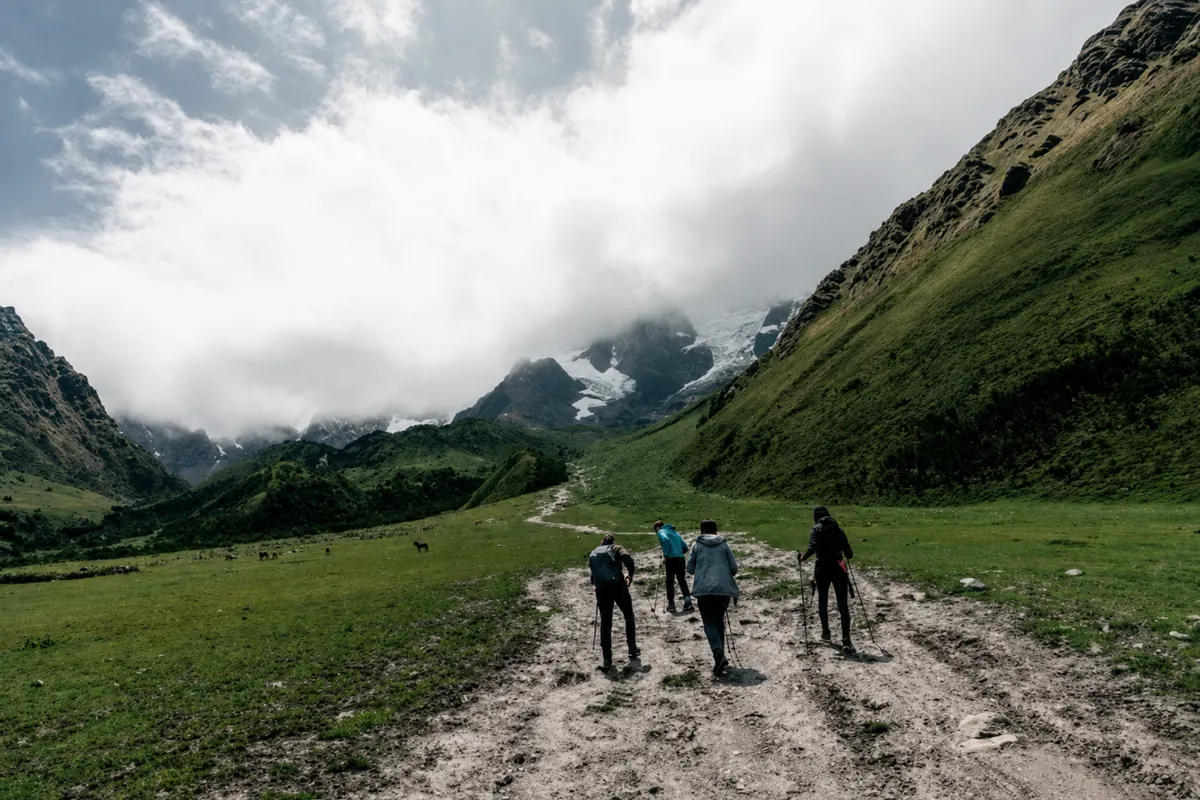
The difficulty is best described as moderate and non technical, but hard because of the altitude. At 4,200 meters there is roughly 40 percent less oxygen than at sea level, so you will feel breathless within minutes even if you are fit, and the final section is a steep set of switchbacks over rocky ground. Altitude sickness can affect anyone regardless of fitness, which is why acclimatizing in Cusco first matters so much.
If the climb feels like too much, community members at Soraypampa rent horses for the uphill leg, usually for around 70 to 100 soles, paid in cash on the spot. The trail is well defined but busy mid morning, and you will need to step aside for the mules coming up and down.
Best Time to Visit
The dry season, roughly May to September, gives you the best odds of clear skies and vivid turquoise water, though nights and pre dawn starts are cold. The rainy season, November to March, brings a muddy trail and frequent cloud that can hide the peaks, along with a higher risk of landslides and delays, but greener scenery and fewer people. April and September are excellent shoulder months.
Whatever the season, go early. Aim to reach the lake between 7:00 and 9:00 am for calmer water and clearer skies, because afternoon cloud and wind build fast in this part of the Andes, and the crowds peak from mid morning to noon. Daytime temperatures at the lake range from near freezing to about 10 to 15 degrees Celsius, with intense sun and rapid changes between sun, cloud, and light rain.
Practical Info
Entrance fee: there is no official published tariff, and prices in circulation conflict. The best supported current figure is around 20 soles for foreign visitors and 10 soles for Peruvians, paid in cash at Mollepata or the Soraypampa checkpoint. There are no ATMs on the route, so withdraw soles in Cusco the night before. Horse rental and transport are separate costs. Because the fee is not officially fixed, confirm the current amount on arrival.
What to pack: warm layers and a windproof jacket, a rain poncho in the wet season, sturdy hiking boots, strong sun protection (high SPF sunscreen, hat, sunglasses), at least a liter of water, snacks, cash in soles, and toilet paper with coins for the basic restrooms.
Acclimatization: spend at least two to three days in Cusco (3,400 meters) before the hike. Hydrate well, drink coca tea, and go easy on alcohol. Humantay is often used as an acclimatization day before the Salkantay Trek or the Inca Trail.
Swimming and drones: swimming and wading are prohibited. The lake is a sacred site with a fragile ecosystem, it supplies water to local communities, and it is dangerously cold year round. Drone use is also prohibited without prior written permission, and rules are enforced.
Why Is Humantay Lake So Turquoise?
The color comes from something called rock flour, or glacial flour. As the glacier grinds against bedrock, it produces extremely fine silt that stays suspended in the meltwater. That suspended powder scatters short blue and green wavelengths of light back to your eye while the water absorbs the reds, and the result is the vivid turquoise you see in the photos.
The intensity shifts with the amount of rock flour, the angle of the sun, and cloud cover, so the lake glows brightest under strong midday sun and turns a muted grey green under heavy cloud. A common myth blames the color on algae or a reflection of the sky, but the real cause is the rock flour.
Safety and current access (2026)
Humantay sits in a landscape shaped by fast retreating glaciers. Peru has lost more than half of its glacier surface over the past few decades, and the Salkantay massif has lost a large share of its ice. That retreat leaves unstable ice and rock on the slopes above the lake.
On July 27, 2026, an ice and snow avalanche descended toward the lake and was filmed by tourists, with no injuries reported, and INAIGEM publicly warned that such events are becoming more frequent and recommended a formal risk evaluation and early warning system for the area. Access to Humantay and Salkantay was suspended for part of 2026 because of active landslides, and the site has since reopened using an alternate route built to bypass the unstable zone. That route is still rough.
In the dry season it is generally fine, but in the rainy season it becomes noticeably riskier, which is one more reason to favor the dry months and to travel with an experienced local operator who knows the current trail conditions. None of this should stop a well planned visit, but conditions here change, so it is always worth confirming the latest status before you travel.
Culture and How to Visit Respectfully
To Andean communities, the lake and the peaks around it are Apus, sacred mountain spirits that are believed to protect the region and provide its water. Along the shore you will see apachetas, carefully balanced stacks of stones left as offerings to the Apus and to Pachamama, or Mother Earth. Visitors also leave a kintu, three coca leaves that represent the three worlds of Andean cosmology, and shamans still perform despacho offering ceremonies here.
Treat all of it with respect. Do not knock over or dismantle existing apachetas, and do not touch the offerings left on them, which is considered a serious cultural offense. If you want to take part, the traditional gesture is to add a single stone to an existing stack with a moment of gratitude, rather than building new piles, and to leave nothing artificial behind.
Humantay Lake vs Other Cusco Day Hikes
Humantay is the shortest and lowest of the big four day hikes near Cusco, which makes it the most accessible, but its steep final climb still humbles unacclimatized visitors. Here is how it compares.
| Day hike | Top altitude | Round trip | Difficulty | Drive from Cusco |
|---|---|---|---|---|
| Humantay Lake | 4,200 m | 4 to 6 km | Moderate (altitude driven) | 3 to 3.5 h |
| Rainbow Mountain (Vinicunca) | 5,036 m | 6 to 7 km | Hard (very high altitude) | 3 to 3.5 h |
| Palccoyo | 4,900 m | 3 km | Easy to moderate | 3.5 to 4 h |
| Ausangate 7 Lakes | 4,600 to 4,850 m | 13 to 16 km | Challenging (long and high) | 3.5 h |
Swipe the table sideways to see more →
A smart plan is to use Humantay as an early acclimatization hike, then tackle a higher option like Rainbow Mountain later in your trip once your body has adjusted.
Frequently Asked Questions
How high is Humantay Lake?
About 4,200 meters (13,780 ft) above sea level.
How difficult is the Humantay Lake hike?
Moderate, roughly 2 to 3 km and 1.5 to 2 hours uphill, but hard mainly because of the altitude and a steep final section.
How do you get to Humantay Lake from Cusco?
A three to three and a half hour drive via Mollepata to the Soraypampa trailhead, then a 1.5 to 2 hour hike. Most people go on a full day tour with a 4 to 5 am pickup.
What is the best time to visit?
The dry season, May to September, and early in the morning for clear skies and fewer crowds.
Why is Humantay Lake so blue?
Suspended glacial rock flour scatters blue and green light, giving the water its turquoise color.
Can you swim in Humantay Lake?
No. Swimming and wading are prohibited because it is a sacred site with a fragile ecosystem, a community water source, and dangerously cold.
How much does it cost?
Around 20 soles for foreigners and 10 soles for Peruvians. Bring cash in soles and confirm the current amount on arrival, as there is no official published tariff.