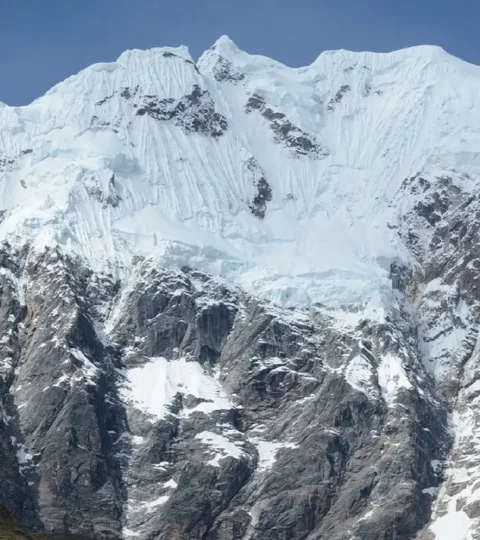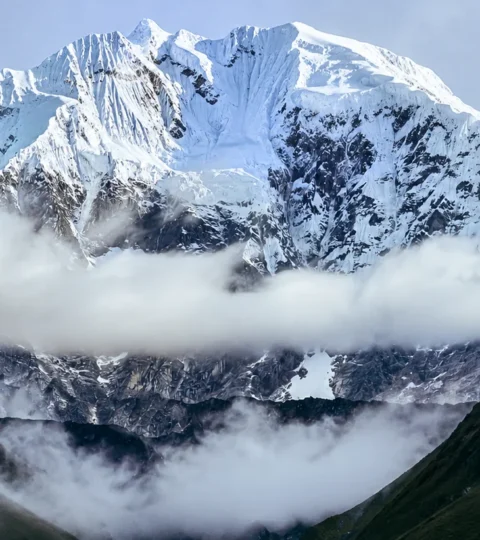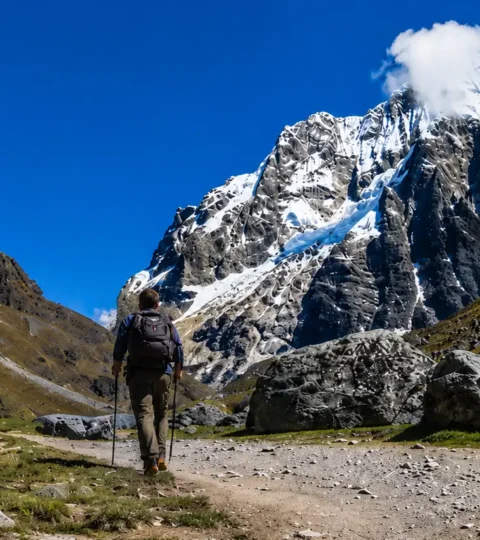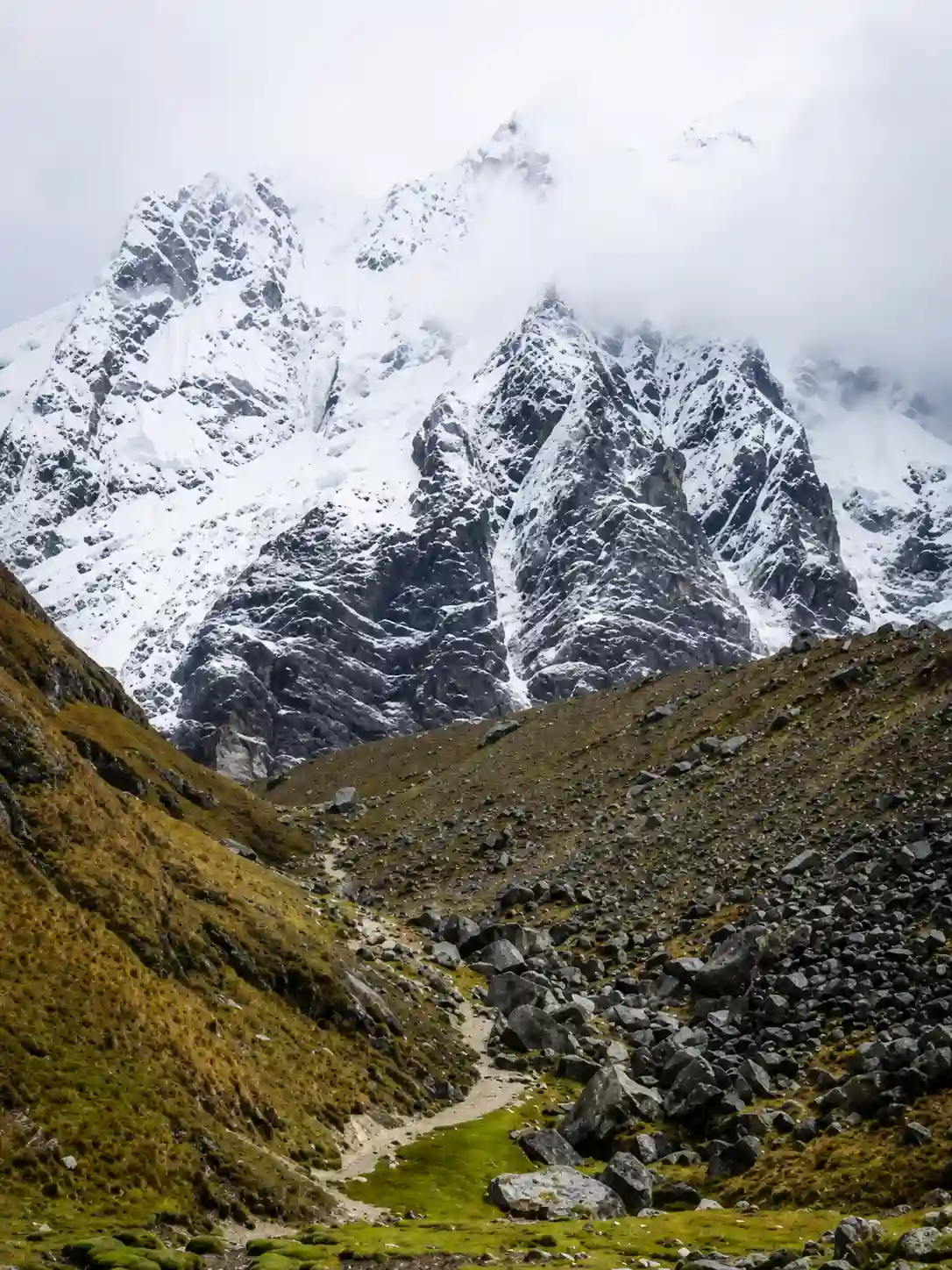

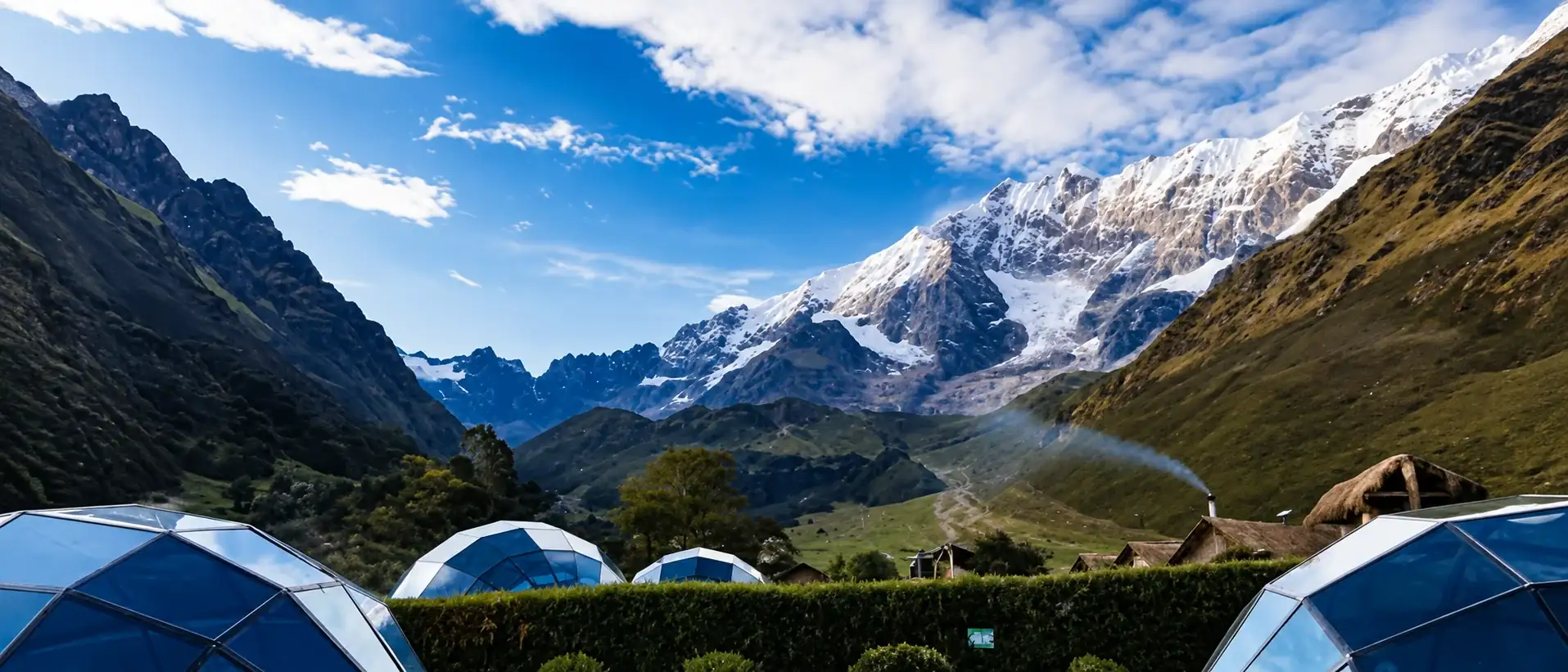
The Salkantay Trek to Machu Picchu is the most popular alternative to the classic Inca Trail, and unlike it, does not require a limited permit. The route crosses the Abra Salkantay (Salkantay Pass) at 4,630 meters (15,190 ft), moves through five distinct ecosystems, from glaciers to high jungle, and ends in Aguas Calientes, the gateway to Machu Picchu. It can be done in 4 or 5 days. The 5-day version adds an extra night that allows for better acclimatization and a visit to the Inca ruins of Llactapata, where you see Machu Picchu for the first time from the trail.
| Total distance | 72 km (45 mi) |
| Highest point | 4,630 m (15,190 ft), at the Abra Salkantay |
| Starting point | Mollepata, 3 hours from Cusco |
| Ending point | Aguas Calientes (Machu Picchu Pueblo) |
| Duration | 4 or 5 days |
| Difficulty | Challenging, no technical sections |
| Permit | No limited permit required |
| Best season | April to October |
| Price with Andean Moments | From $300/person (4 days), from $310 (5 days) |
Salkantay Trek 4 Days vs 5 Days
Both versions follow the same general route and visit the same highlights: Humantay Lake, the Abra Salkantay, and the Llactapata ruins. The difference is pacing. The 5-day version adds an extra night in Chaullay, spreading the effort over shorter days and giving you more time to acclimatize. The 4-day version combines the coffee plantation visit, Llactapata, and the hike to Aguas Calientes into a single long day.
| Day | Salkantay Trek 4 Days | Salkantay Trek 5 Days |
|---|---|---|
| Day 1 | Humantay Lake and domes at Quiswaraniyoc | Humantay Lake and domes at Quiswaraniyoc |
| Day 2 | Salkantay Pass crossing and domes at Lucmabamba | Salkantay Pass crossing (22 km/14 mi) and cabins at Chaullay |
| Day 3 | Coffee plantation, Llactapata, and hike to Aguas Calientes | Coffee plantation, optional hot springs or zipline, domes at Lucmabamba |
| Day 4 | Machu Picchu and return to Cusco | Llactapata and hike along the train tracks to Aguas Calientes |
| Day 5 | Not applicable | Machu Picchu and return to Cusco |
Which one should you choose?
We recommend the 5-day version if this is your first time at this altitude or if you prefer a more relaxed experience, with extra time for photos, coffee, and rest. The 4-day version is a good option if your time is limited and you’re already in good physical shape. At Andean Moments we run both versions with a professional guide, cook, pack mule, emergency oxygen, and an emergency horse included.
Check out the Salkantay Trek 5 Days or the Salkantay Trek 4 Days with Andean Moments.
Salkantay Trek Route Day by Day
The route starts at Soraypampa (3,900 m), crosses the Salkantay Pass (4,630 m) on day 2 and drops into the cloud forest at Chaullay. It then follows the coffee valley of Lucmabamba and the Inca path over Llactapata to Aguas Calientes.
The stretch from Soraypampa to Chaullay is the longest of the trek: about 21 km, with a descent of about 1,760 m after the pass. Our route map, the altitude of every stop and the elevation profile day by day are in our guide to the Salkantay Pass elevation and trek map.
How Hard Is the Salkantay Trek? Difficulty & Altitude Sickness
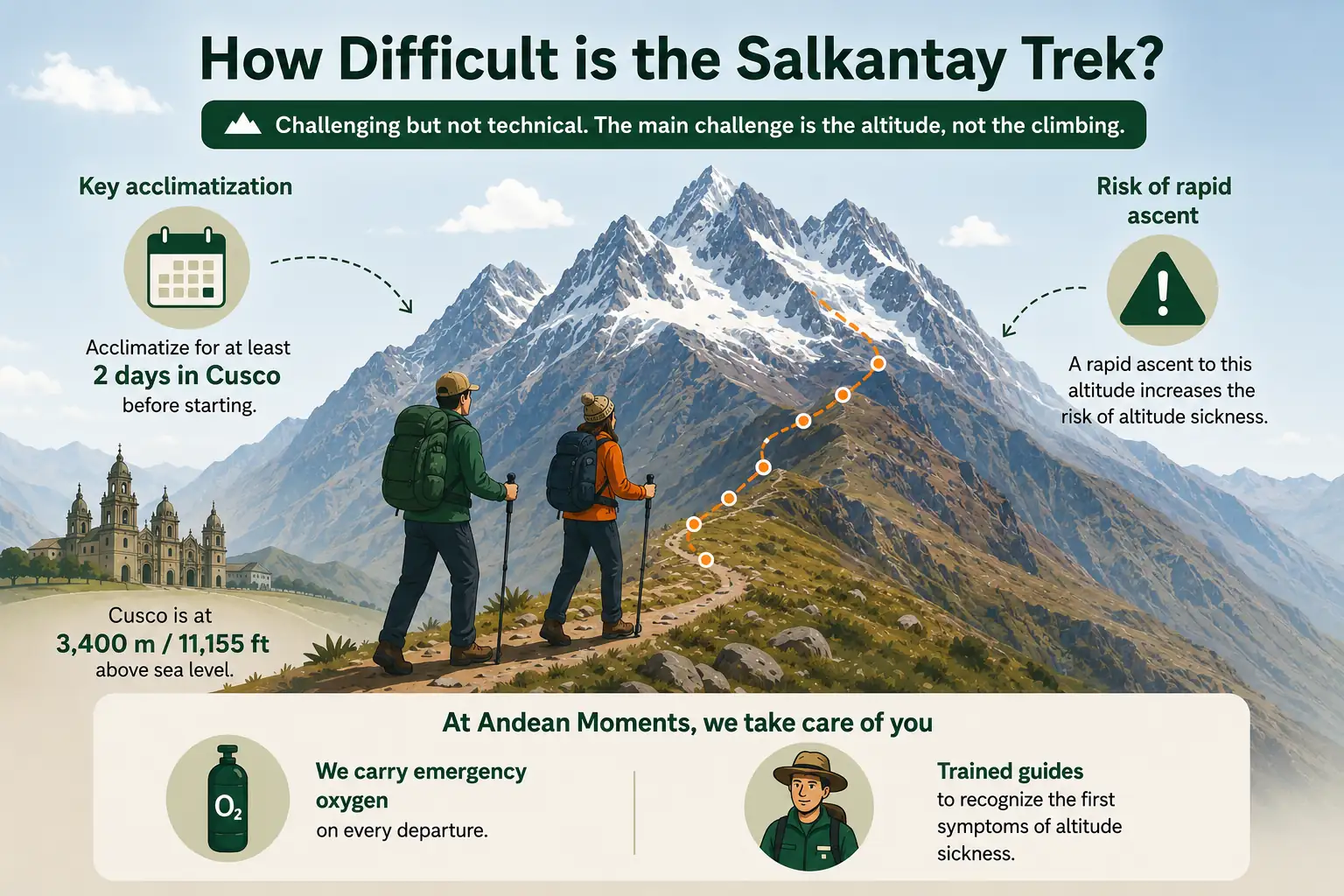
The Salkantay Trek is demanding but not technical. The real challenge is the altitude, not the climbing, which is why acclimatizing for at least 2 days in Cusco before you start is the single most important thing you can do. Cusco sits at 3,400 m (11,152 ft), and flying in and climbing quickly to that altitude raises your risk of altitude sickness. At Andean Moments we carry emergency oxygen and an emergency horse on every Salkantay Trek departure, along with guides trained to recognize the first symptoms of altitude sickness.
Acclimatization & altitude medication
According to the CDC, a rapid ascent by plane to elevations above 3,400 m, like Cusco, puts travelers in a high-risk category, with altitude illness rates approaching 50% in that situation. Above 3,000 m, guidelines from the Wilderness Medical Society recommend climbing no more than 500 m (1,640 ft) per night in sleeping altitude, adding an extra acclimatization night for every 1,000 m (3,280 ft) gained. Travelers often use acetazolamide (Diamox) as a preventive measure, typically 125 mg every 12 hours starting one day before the ascent and continuing for two days at altitude; it’s not recommended during pregnancy or for travelers with a sulfa allergy, so check with a doctor before your trip.
Best Time to Hike the Salkantay Trail
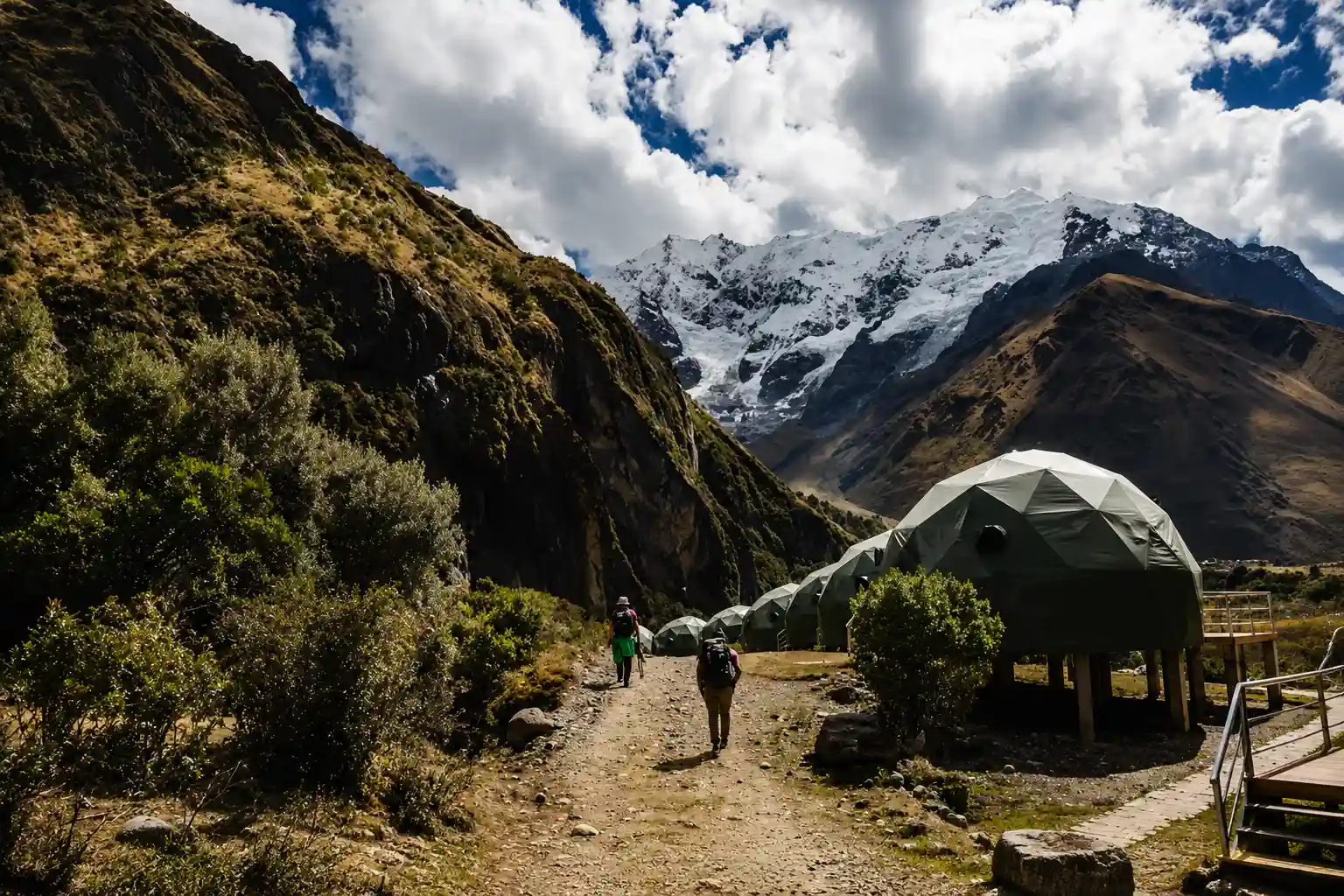
The dry season runs from April to October and is the best time to hike the Salkantay Trek, with clear skies, firm trails, and less mud. The rainy season runs from November to March, with slippery trails and a higher risk of river flooding.
Unlike the classic Inca Trail, which closes every February for maintenance, the Salkantay Trek can be hiked all 12 months of the year. June is the driest month, but also the busiest because of the Inti Raymi festival on June 24. April, May, September, and October offer the best combination of good weather and fewer crowds.
Nights in Soraypampa, the first campsite at 3,900 m (12,795 ft), are cold year-round and can drop below 0°C (32°F) between June and August. That’s why the sleeping bag you use on this night is the single most important piece of gear you’ll carry.
What to Pack: the Short Version
Pack in layers: nights drop below freezing at the first camp (3,900 m) and the last days are warm and humid in the cloud forest. You need a sleeping bag with a comfort rating of 10°C below zero, a down jacket, rain gear and broken in boots.
Bring a power bank, because the first camp has no electricity, and your original passport. Our horses carry up to 7 kg per person, sleeping bag included, and you carry a daypack of about 30 liters. We rent sleeping bags and trekking poles for $15 each.
The full checklist, with photos of every item, what the horse carries and the Machu Picchu rules, is in our Salkantay Trek packing list.
Salkantay Trek vs Inca Trail
| Criteria | Salkantay Trek | Classic Inca Trail |
|---|---|---|
| Permit | No limited permit required | 500 permits/day, sell out months ahead in high season |
| Booking window | Can book at the last minute | 5-6 months ahead |
| Guide | Optional | Mandatory, licensed operators only |
| Max altitude | 4,630 m (15,190 ft) | 4,215 m (13,829 ft), at Warmiwañusca |
| Closes in February | No | Yes, for maintenance |
| Arrival at Machu Picchu | By bus or on foot from Aguas Calientes | On foot through the Sun Gate (Inti Punku) |
| Typical cost | $300-880 | $500-1,500 |
Choose the Salkantay Trek if you value flexibility and want more varied scenery, and choose the classic Inca Trail if your priority is walking in through the Sun Gate. Check out the Inca Trail 4 Days with Andean Moments.
Salkantay Trekking Reviews: What Hikers Really Say
Travelers who complete the Salkantay Trek highlight three things above everything else: the scenery, especially the shift from glaciers to jungle and Humantay Lake, the quality of the food during the trek, and the comfort of sleeping in domes instead of traditional tents.
The most common complaints repeat across different reviews: the intense cold during the first night in Soraypampa, the physical demand of the second day, with 22 km (14 mi) that include the Salkantay Pass crossing, and the monotony of the final stretch walking along the train tracks between Hidroeléctrica and Aguas Calientes. At Andean Moments we answer these three complaints directly: we use sleeping bags rated to -10°C (14°F) comfort for the first night, we keep groups small so the pace of day two stays manageable for everyone, and we offer the option to do the final stretch by train instead of on foot.
2026 Machu Picchu Rules Every Salkantay Hiker Must Know
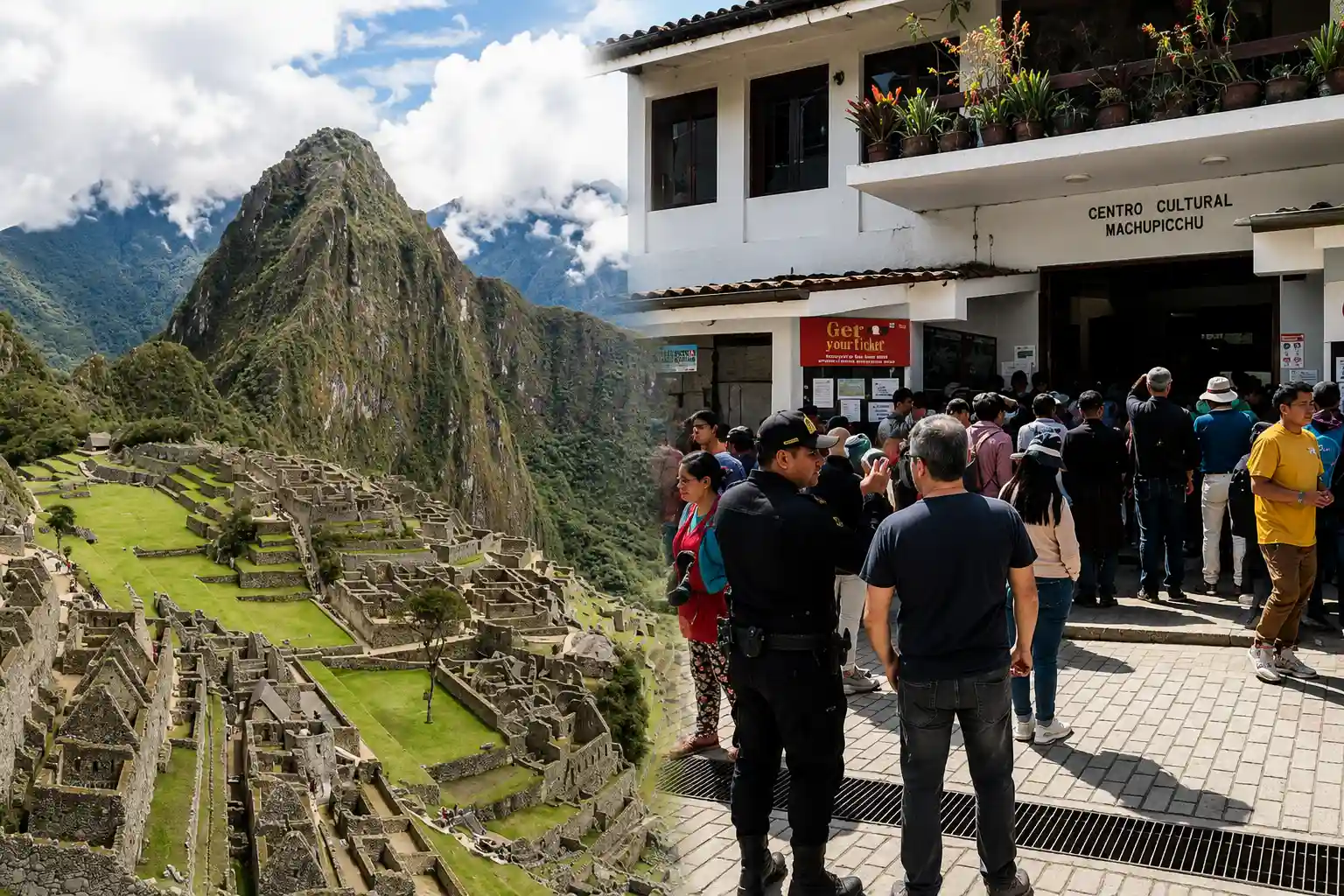
Since November 2025, Machu Picchu’s daily capacity is 4,500 visitors in the regular season and 5,600 on peak dates, under Ministerial Resolution No. 000285-2025-MC from Peru’s Ministry of Culture. Entry is organized into 3 circuits with 10 different routes since June 2024. Each ticket has a fixed circuit, route, and entry time, and doesn’t allow re-entry once you leave.
Tickets are sold exclusively through tuboleto.cultura.pe, the Ministry of Culture’s official platform. In high season we recommend buying your ticket at least 60 days in advance, since the most requested dates sell out weeks ahead.
Bus service between Aguas Calientes and the citadel changed operators in September 2025, after the previous 30-year concession expired and the transition briefly disrupted service. We recommend confirming the current bus status before your trip, something we coordinate directly for you at Andean Moments.
Salkantay Trek FAQ
Can you hike the Salkantay Trek without a guide?
Yes. Unlike the classic Inca Trail, the Salkantay Trek doesn’t require a permit or a mandatory guide, and there are basic hostels and food stalls along the way. We recommend prior high-altitude trekking experience and basic navigation skills before attempting it independently.
Is the Salkantay Trek safe for beginners?
Yes, as long as you arrive in good physical shape and acclimatize properly in Cusco before starting. The trek is demanding because of the altitude and the length of the hiking days, but it has no technical climbing sections.
What’s the minimum and maximum age for the Salkantay Trek?
Most operators accept children from age 8, as long as they’re acclimatized and the itinerary includes frequent stops. It’s not recommended for pregnant travelers or people with serious cardiovascular conditions.
Is there wifi and electricity during the Salkantay Trek?
Private campsites and domes usually have electricity and showers, sometimes with hot water. Wifi signal is scarce or nonexistent for most of the route.
What happens if it rains during the Salkantay Trek?
The trek continues as normal. Expect mud and colder temperatures, so a waterproof jacket and rain pants are essential at any time of year.
Does the Salkantay Trek ever close?
No. The Salkantay Trek can be hiked all 12 months of the year, unlike the classic Inca Trail, which closes every February for maintenance.
Is it better to return by train or walk from Hidroeléctrica?
The train between Hidroeléctrica and Aguas Calientes takes between 30 and 45 minutes and is the most comfortable option. Walking the tracks takes 2 to 3 hours over about 10 km (6 mi). Many travelers combine both options depending on the time they have.
How much does the Salkantay Trek cost?
A guided tour costs between 300 and 880 dollars per person, depending on the operator and the type of accommodation. At Andean Moments, prices start at 300 dollars for the 4-day version and 310 dollars for the 5-day version.
Do I need to book my Machu Picchu entrance in advance?
Yes. In high season we recommend booking at least 60 days ahead through tuboleto.cultura.pe, the official ticket-selling platform.
How much does the backpack I carry myself weigh?
You only carry a daypack with 6 to 8 kg (13-18 lb) of essentials for the hike. The rest of your gear, up to about 7 kg (15 lb), is carried by the tour’s pack mule.