Best Food on the Treks
Our trek cooks prepare fresh, hearty meals at every camp and adapt the menu for vegetarian or special diets.
Trip Details
 Max Altitude
4,215 meters (13,828 feet)
 Trip Length
4 Days
 Group Size
Min 2 Persons
 Physical Level
Challenging
 Trip Style
Hiking
 Lodging Type
Camping
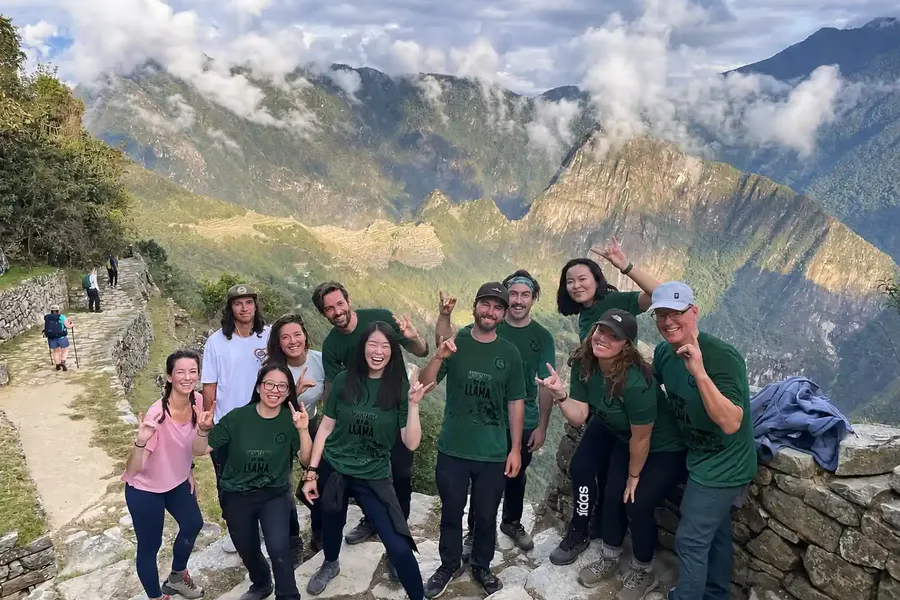
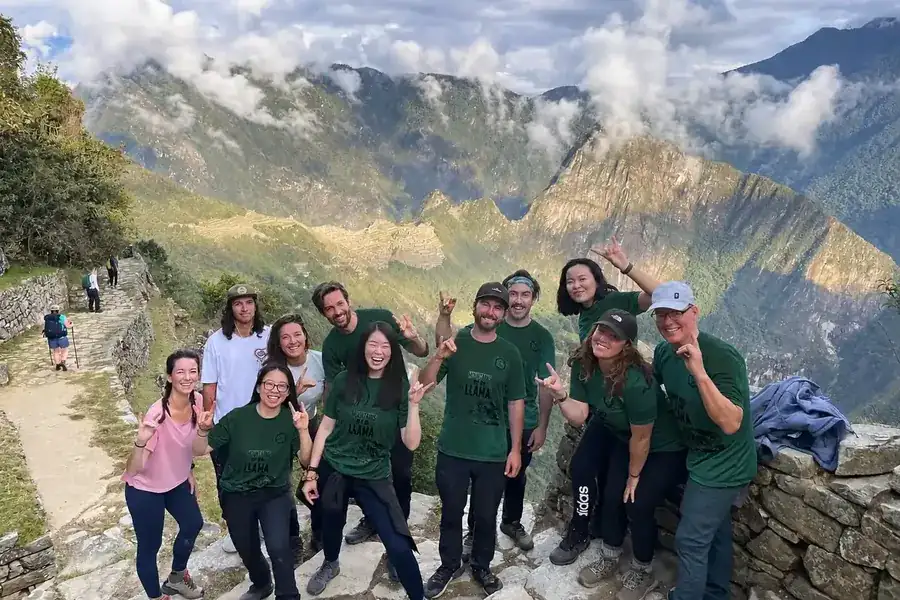
Experience the 4-day Inca Trail, South America’s most famous trek and the finest way to reach Machu Picchu, one of the New 7 Wonders of the World. As a UNESCO World Heritage site, this ancient path is a once-in-a-lifetime journey — at Andean Moments, we take care of every detail to make this iconic experience even more memorable for you.
We blend rigorous exploration with premium service: our small-group expeditions feature private portable restrooms, gourmet local cuisine, and high-end gear. Supported by a 100% local Peruvian operator, your adventure champions sustainable tourism and fair compensation for our dedicated porter teams.
Commence your trek at the official start point. Navigate Andean landscapes and valley vistas toward Ayapata, where your camp, fresh local meals, and support team await.
Face the trek’s ultimate milestone: the 4,215m Warmiwañusca pass. Traverse ancient stone paths through dramatic mountain terrain to reach the tranquil Chaquicocha camp.
Traverse lush cloud forests and explore legendary archaeological sites including Phuyupatamarca and Intipata, before arriving at the stunning Wiñay Wayna.
Walk the final stretch to the Sun Gate for your first vista of the citadel. Conclude with a guided tour followed by a scenic Vistadome train return to Cusco.
Secure permits and intimate group sizes operated by a 100% local, sustainable Peruvian team.
Enjoy gourmet local cuisine, private portable restrooms, and professional-grade camping equipment.
Trek with knowledgeable, bilingual local guides who bring the history and culture of the Inca trail to life.
We guarantee ethical working conditions, fair wages, and proper equipment for our dedicated porter teams.
Comprehensive safety measures, including emergency oxygen, first-aid kits, and satellite communication on all expeditions.
Conclude your trek with a breathtaking journey back to Cusco on the scenic Vistadome train.
Your journey begins at your hotel in Cusco between 5:30 and 6:00 a.m., where your professional team will welcome you. Today is designed to transition from the Andean highlands into the heart of the Sacred Valley, moving at a steady pace to prepare for the monumental challenge of the Inca Trail.
Your expedition commences with a hotel pickup between 5:30 and 6:00 a.m. We traverse the Sacred Valley, arriving at Piscacucho (Km 82, approx 2,700 m / 8,858 ft) by mid-morning. After meeting your support team, our professional chefs and specialized porters, we cross the Urubamba River to officially enter the Inca Trail.
The first leg of the trek offers a gentle introduction to the terrain, tracing the riverbank before ascending toward the impressive ruins of Patallacta, also known as Llactapata. From the lookout point, your guide provides a detailed historical briefing on this massive administrative and religious center, which served as a vital checkpoint for the Incas traveling toward their final destination.
We continue through the Cusichaca Valley, passing the local community of Huayllabamba before reaching our campsite at Ayapata (approx 3,300 m / 10,826 ft). Upon arrival, enjoy our premium service: a warm wash basin, professional grade tents pre-pitched for your comfort, and a gourmet three-course dinner prepared by our chef to fuel your body for the high altitude challenges ahead.
The day begins with a nutritious breakfast before we embark on the most challenging ascent of the entire trail. We climb steadily through the high Andean puna landscape toward Warmiwañusca, also known as the Dead Woman Pass, at 4,215 meters / 13,829 feet. This is a moment to test your endurance, offering unparalleled panoramic views of the surrounding snow-capped peaks and the path we have conquered.
After reaching the summit and capturing the experience on camera, we descend into the lush Pacaymayo Valley. The landscape transforms from arid high mountain terrain into a vibrant green valley. This descent is steady and rewarding, leading us to our mid-day stop where our team awaits with a well-deserved lunch to restore your energy.
The afternoon focuses on the Runkurakay archaeological site, an oval-shaped structure that served as a tambo or rest house for Inca messengers. We continue toward Sayacmarca, a complex and beautiful site perched on a mountain ridge. Exploring these remote ruins away from the crowds provides a profound connection to the engineering and spiritual legacy of the Inca civilization.
As the sun begins to set, we reach our campsite at Chaquicocha (approx 3,600 m / 11,811 ft). This site is positioned perfectly to witness the changing colors of the Andean sky. Dinner is served under the stars, followed by a briefing from your guide on the scenic cloud forest trek awaiting us on the third day.
The third day is often considered the most beautiful of the trail. We traverse the edge of the cloud forest, where orchids, bromeliads, and lush vegetation surround us. Our first stop is Phuyupatamarca, the Town in the Clouds. This archaeological site offers spectacular views of the Urubamba Valley and provides a clear demonstration of how the Inca builders integrated their architecture with the natural mountain peaks.
Continuing along the ancient path, we reach Intipata, or Sun Terrace. This site features vast agricultural terraces that seem to cascade down the mountainside toward the river below. It is a perfect spot for photography and quiet reflection, allowing us to appreciate the sheer scale of the agricultural innovation that supported the inhabitants of this region during the Inca period.
Our final destination for the day is Wiñay Wayna, which translates to Forever Young. This is arguably the most impressive site on the trail, featuring a series of fountains and ritual structures. After a guided tour of the ruins, we head to our final campsite nearby. Here, we enjoy a celebratory farewell dinner with our porter and chef team, reflecting on the shared experience of the past few days.
We begin our final day before dawn to ensure we reach the Intipunku, or Sun Gate, at the perfect moment. As the sun rises, the light slowly reveals the citadel of Machu Picchu below. This transition from the remote mountain trail to the view of the sanctuary is a powerful milestone. After capturing this unique perspective, we begin the short descent into the site itself, entering through the main gates as the morning light illuminates the stone structures.
Your expert guide leads a comprehensive tour through the most important sectors of the citadel. You will explore sacred temples, royal residential areas, and ingenious agricultural zones. The tour is designed to provide deep historical context, explaining the sophisticated engineering and spiritual significance of this New Wonder of the World, while allowing you ample time to walk through the stone corridors at your own pace.
After concluding your visit, you will take the Consettur bus down the mountain to the town of Aguas Calientes for lunch. In the afternoon, you board the Vistadome train for a panoramic journey toward Ollantaytambo, where the landscape shifts from cloud forest back to the Sacred Valley. Upon arrival at the station, our private transport awaits to take you comfortably back to your hotel in Cusco, marking the conclusion of an unforgettable four-day expedition.
 Pre-trek Briefing: Mandatory coordination at your hotel at 7:00 p.m. to review logistics, safety, and final details.
Premium Pick-up: Direct collection from your hotel in Cusco between 5:30 and 6:00 a.m. in our private transport.
Ground Logistics: Private transfer to Km 82 (Piscacucho) and return service from Ollantaytambo station back to your Cusco hotel.
Storage Service: Complimentary secure storage for your main luggage in our Cusco office throughout the 4-day journey.
Government Permits: All official permits required for the Classic Inca Trail expedition.
Machu Picchu Access: Tickets for Circuits 1 and 3, ensuring a complete visit to the historic citadel.
Expert Leadership: Professional bilingual guide for the entire trail and site tour.
Safety & Medical: First-aid kit and emergency oxygen equipment personally managed by your certified guide.
Camping Quality: Spacious professional-grade tents, inflatable mattresses, pillows, portable bathroom, dining, and kitchen tents.
Porter Team & Duffel Bag: Professional support staff including chefs and personal porters. We provide a complimentary duffel bag during your briefing for up to 7 kg of your belongings to be carried throughout the trek.
Full Catering: 4 breakfasts, 4 lunches, and 3 dinners. Vegetarian, vegan, gluten-free, or other dietary options are available at no extra cost, please notify us in advance.
Panoramic Return: Vistadome Observatory train journey from Aguas Calientes to Ollantaytambo, featuring onboard live cultural performances.
Consettur Bus: Official shuttle service for the descent from Machu Picchu Sanctuary to Aguas Calientes.
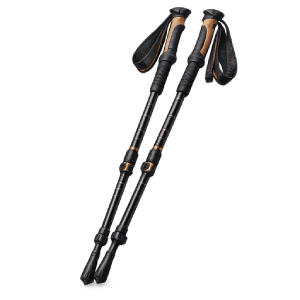
 Personal Equipment: Sleeping bags (available for rent at $15 USD for the entire trek, rated for -10°C) and trekking poles (available for rent at $15 USD per pair for the entire trek).
Travel Insurance: Recommended for high-altitude trekking.
Gratuities: Tips for porters, cooks, and guides are optional but highly appreciated as recognition of their hard work.
Extra Snacks & Drinks: Additional bottled water, energy snacks, or personal preferences beyond what is provided.
Classic Inca Trail 4 Days pricing includes your government permit, professional guide, camping equipment, meals, and the scenic Vistadome train return from Aguas Calientes to Ollantaytambo.
| Category | Price per Person |
|---|---|
| Adult | $780.00 USD |
| Student | $750.00 USD |
| Minor | $750.00 USD |
| Add-ons | Price |
|---|---|
| Huayna Picchu Mountain | $60.00 USD |
| Machu Picchu Mountain | $60.00 USD |
| Trekking Poles For the entire trek. | $15.00 USD |
| Sleeping Bag For the entire trek. | $15.00 USD |
















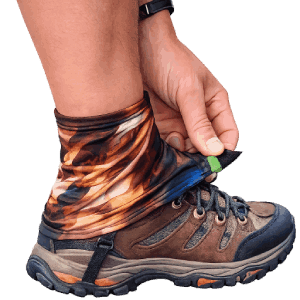






Planning your upcoming expedition on the Classic Inca Trail 4 Days requires more than just physical stamina; understanding the environmental regulations and trail rules is key to a seamless experience. This essential travel guide provides the critical insights you need to navigate the legendary stone paths sustainably.
Conquering high-altitude mountain passes like Warmiwañusca demands adequate cardiovascular readiness and physical endurance. To reduce the risk of acute altitude sickness (soroche) during the long trekking hours, spending prior days resting in the Sacred Valley or Cusco is highly advised.
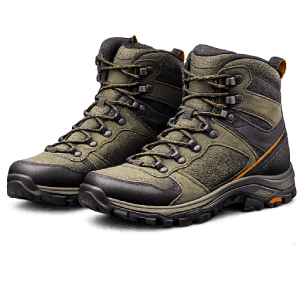
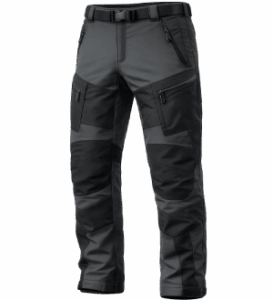
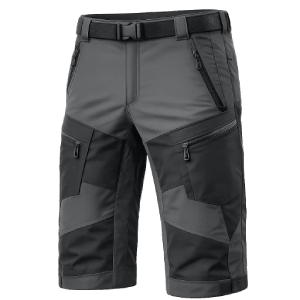
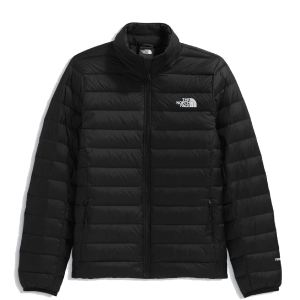
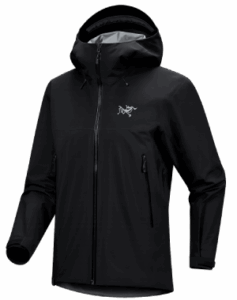
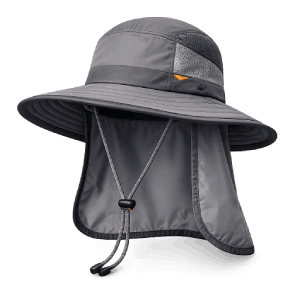
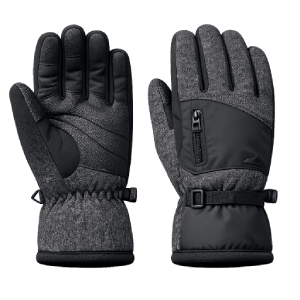
Before heading to the trailhead, make sure you double-check our expert-vetted Inca Trail Packing List. Bringing the right thermal layers, broken-in boots, and a properly fitting daypack will directly impact your overall performance and comfort throughout the multi-day wilderness campsites.
The stone paths you will tread on are part of an immense archaeological and ecological reserve closely monitored by international heritage bodies. The strict daily visitor caps and booking restrictions exist to safeguard the structural integrity of pre-Hispanic masonry against mass-tourism damage.
To fully comprehend the global historical value of this archaeological route, you can read the comprehensive guidelines listed on the UNESCO Machu Picchu Sanctuary Framework. Reviewing these preservation principles highlights why independent trekking is forbidden and why certified operators are mandatory.
The subtropical cloud forest surrounding the Classic Inca Trail 4 Days is home to fragile native species, including endangered spectacled bears, rare orchids, and endemic birds. Peruvian government park rangers enforce strict conservation policies across all wilderness zones to avoid habitat destruction.
You can check the local environmental protection efforts managed by the official SERNANP Protected Natural Areas Portal. Being aware of these state-level conservation protocols helps trekkers understand the logic behind strict open-fire bans and campsite waste rules.
Practicing responsible trail manners keeps the paths pristine. All hikers must strictly adhere to a “Leave No Trace” policy, carrying out all personal refuse. Furthermore, trekking poles must always use protective rubber tips to prevent chipping away the ancient Inca stone pavements.
If upon reviewing the physical demands of this challenging 4-day journey you prefer an itinerary with a lighter physical load, lower elevations, and comfortable hotel stays instead of mountain camping, you can explore our streamlined alternative guide for the Short Inca Trail 2 Days.
Yes, absolutely. The Classic Inca Trail is an excellent option for solo travelers. You can easily integrate into a small shared group, allowing you to enjoy the route and socialize with people of different nationalities without the need to organize logistics or form a private group on your own.
It is completely normal for everyone to move at their own pace. On Andean trails, the key is to maintain a steady march rather than walking fast, especially during demanding ascents. Small group expeditions are designed to accommodate varying fitness levels through strategic regrouping points along the way, backed by the constant support of our certified guides.
Many travelers successfully complete this hike as their first multi-day mountain experience. The key is to prepare with realistic expectations: it is a demanding route that involves significant altitude changes, continuous pre-Hispanic stone staircases, and several hours of daily hiking. With proper prior acclimatization in Cusco and basic physical conditioning, it is a fully viable and rewarding adventure.
The route is highly safe when undertaken with an authorized operator and experienced guides. The main challenges center around elevation and changing weather conditions. If a trekker feels unwell or experiences altitude sickness, the guiding team evaluates the situation immediately to coordinate the fastest response. For your peace of mind, our guides hold official wilderness first-aid certifications and constantly carry a comprehensive medical kit and emergency oxygen tanks.
If your connecting flights are delayed, please contact us immediately. Government-issued Inca Trail permits are nominal, non-transferable, and strictly tied to a specific entry date that the Ministry of Culture does not allow to change once issued. For this reason, we strongly advise planning your arrival in Cusco at least two days before the trek to ensure sufficient time for acclimatization and flight buffers.
Yes, we do. We are fully prepared to cater to different dietary requirements, including vegetarian, vegan, gluten-free, dairy-free, or specific food allergies. Our professional chef team prepares fresh meals using selected ingredients throughout the entire route. To guarantee flawless logistics in our camp kitchen, we simply request that you detail your dietary needs at the time of booking.
Although it is not a mandatory legal or migration requirement to enter the trail, acquiring an international insurance policy prior to your departure is highly recommended. A proper travel insurance plan for this activity should offer coverage for adventure sports, high-altitude medical assistance, trip interruption or cancellation, and baggage protection.
We suggest carrying an estimated amount of 400 to 600 Peruvian Soles in cash per person. It is vital to bring small bills and coins, as they will be useful for accessing local restrooms, purchasing extra bottled water or snacks during the first trail segments, buying your final lunch in Aguas Calientes town, and tipping your support crew.
Tipping in the tourism industry is entirely voluntary and is not included in the tour price. It represents a personal gesture of appreciation if you feel that the service provided by the porters, cooks, and guides exceeded your expectations and kept you safe on the mountain. The crew deeply appreciates this recognition of their physical effort, which complements their formal salaries under fair trade and sustainable tourism policies.
There is no legal age limit established by the authorities to hike the trail. Beyond a traveler’s age, the key determining factor is an optimal health status, good physical condition, and proper adaptation to the region’s altitude. For families traveling with young children or active older adults who have concerns about multi-day camping endurance, we recommend evaluating custom private alternatives or lower-impact formats.
Yes, attending the briefing is indispensable for a successful expedition. This meeting takes place at your hotel at 7:00 p.m. the night before departure. There, you will meet your guide, review the detailed daily itinerary, receive final safety recommendations, and get your official duffel bag to organize the 7 kg of gear that our porter team will carry for you.
This is not recommended. The return itinerary on the fourth day involves multiple tightly scheduled transfers: descending by bus from the citadel, waiting for the panoramic train from Aguas Calientes, traveling by rail to Ollantaytambo station, and the subsequent private road transfer back to Cusco. In the event of any unforeseen weather or railway delays, you could risk missing your flight. It is ideal to book an extra night of lodging in Cusco or the Sacred Valley and schedule your departure comfortably for the following day.
Cusco to the trailhead, then the three saddles the classic four day trek climbs and drops on its way to the citadel. The dashed line marks Cusco, 11,152 ft: only Dead Woman's Pass clears it by any real margin.
Our trek cooks prepare fresh, hearty meals at every camp and adapt the menu for vegetarian or special diets.
Licensed guides from Cusco lead every tour and share the history, culture and stories of the Andes along the way.
Our Cusco team plans every route with good acclimatization, the right timing and time to enjoy each place.
Certifications