
When was Machu Picchu built? In the 15th century, as a royal estate for the Inca ruler Pachacuti. For decades books said 1450, but radiocarbon dates published in 2021 show people were already living there by about 1420, and the estate stayed in use until about 1530.
We are a local tour operator in Cusco and our guides tell this story every day at the site. This guide puts the history in order, from the first stones to Hiram Bingham, with each date tied to the study or document it comes from.
What Is Machu Picchu?
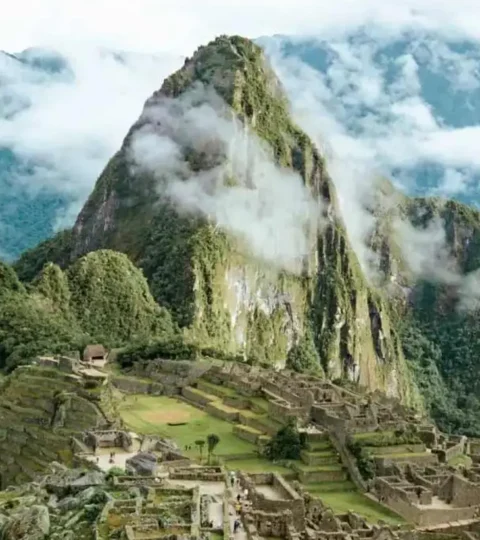
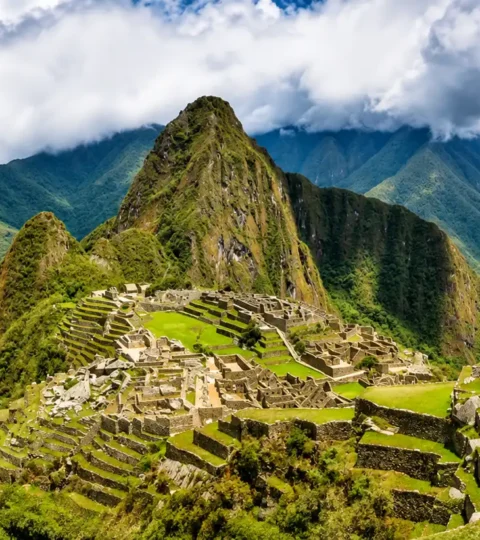
Machu Picchu is a 15th century Inca royal estate: a palace, temples, houses and farming terraces built for the family of the ruler Pachacuti on a ridge at about 2,430 m (7,970 ft) above the Urubamba river. Peru’s Ministry of Culture calls it the Llaqta de Machupicchu, the settlement of Machu Picchu.
It was not a fortress, and it was never a lost city to the people who farmed around it. Today it is a UNESCO World Heritage Site, listed in 1983 for both its culture and its nature.
When Was Machu Picchu Built?
Machu Picchu was built in the first half of the 15th century. The traditional date, about 1450, comes from American historian John Rowe, who in 1945 built a timeline of Inca rulers from the Spanish chronicle of Miguel Cabello de Balboa (1586).
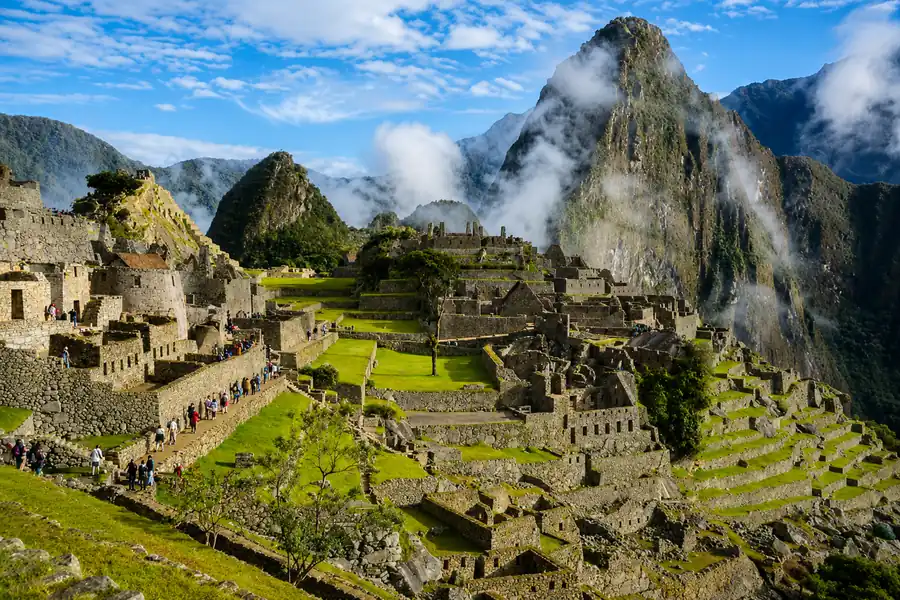
In August 2021, a team led by Yale archaeologist Richard Burger published 26 radiocarbon dates from bones and teeth found in four cemeteries around the site, in the journal Antiquity. The result: Machu Picchu was occupied without a break from about 1420 to 1530.
That moves its founding at least two decades earlier, in the words of coauthor Jason Nesbitt of Tulane University. Burger also rejects the much older dates that circulate online: nothing shows Machu Picchu was built before the 15th century.
How Old Is Machu Picchu?
Machu Picchu is about 600 years old. People lived there for about 110 years, from roughly 1420 to 1530, and parts of it were never finished: there is still an unfinished temple among the ruins.
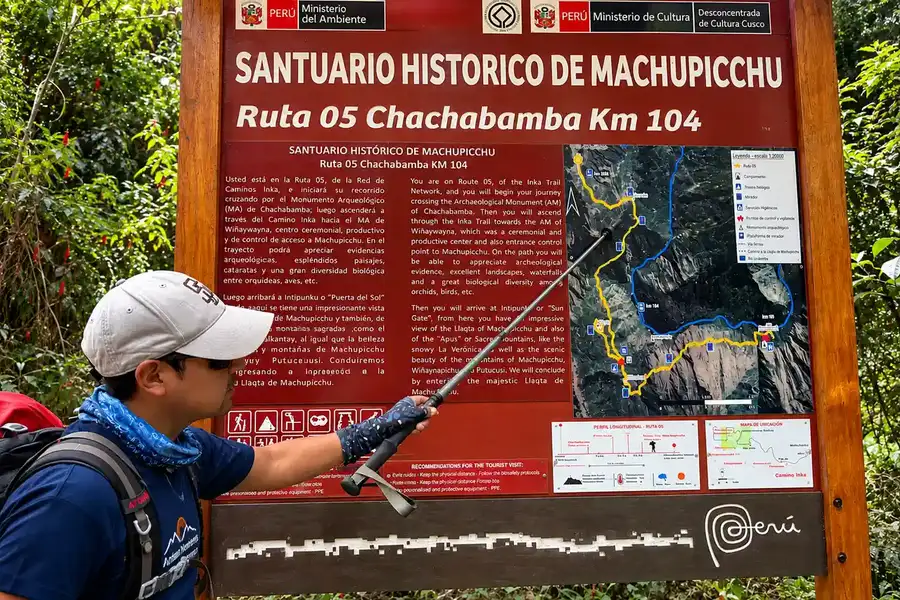
Its neighbors are just as old. Polish archaeologist Mariusz Ziółkowski and his team dated the citadel and two nearby sites with a statistical model. They found the citadel began around 1422 to 1448, and Chachabamba, the first ruin on today’s short Inca Trail, around 1412 to 1444.
How long the building itself took, nobody knows. The popular “5,000 workers for 20 years” has no primary source behind it.
Who Built Machu Picchu?
The Incas built Machu Picchu for their ruler Pachacuti, also written Pachacutec or Pachacuti Inca Yupanqui. The proof is a 1568 land dispute that John Rowe found and published in 1990: it lists the lands of “Picchu” among the properties of “Inga Yupangui”, that is, Pachacuti.
The labor came from the mit’a, the Inca system in which subjects paid their taxes in work. No document says how many people built it. The people who later lived there all year were servants of the royal family, not nobles.
Who Was Pachacuti?
Pachacuti was the ninth Inca ruler, the king who turned a small kingdom around Cusco into the largest empire of the Americas. Rowe’s classic timeline places his reign from 1438 to 1471. The new Machu Picchu dates suggest he came to power about 20 years earlier.
According to the Spanish chronicles of Betanzos and Sarmiento de Gamboa, he was born Cusi Yupanqui, saved Cusco from the Chanka army and took the name Pachacuti, “he who turns the world around”. Historians treat that story partly as royal propaganda.
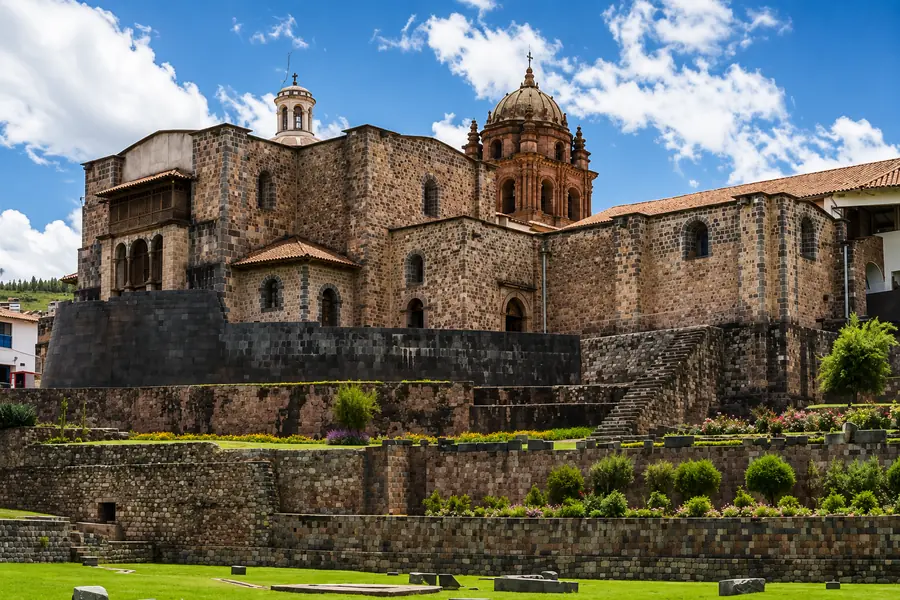
Tradition also credits him with rebuilding Cusco, the Qorikancha, Ollantaytambo and Pisac. You can see several of them on our guide to the Inca ruins of Cusco.
What happened to Pachacuti’s mummy?
In 1559 the Spanish official Polo de Ondegardo found the royal mummies of Pachacuti and other rulers hidden around Cusco. Around 1560 they were sent to Lima and shown at the Hospital of San Andrés. Witnesses said Pachacuti’s body was so well preserved he “seemed alive”.
The last record of the mummies dates from 1638. In 2001 and 2005, archaeologist Brian Bauer and historians Antonio Coello and Teodoro Hampe searched the old hospital with ground radar and test digs. They found an empty crypt. Pachacuti’s mummy has never been found.
Why Was Machu Picchu Built and What Was It Used For?
Machu Picchu was built as a country palace for Pachacuti and his court, a royal estate where the Inca family spent part of the year. Royal estates also celebrated conquests: this one may honor Pachacuti’s conquest of the lower Urubamba valley.
Rowe drew that reading from the 1568 document, and most specialists accept it. Others stress the sacred side. Anthropologist Johan Reinhard ties the layout to the holy mountains around it, and archaeoastronomer Giulio Magli sees a pilgrimage center. Today most experts see a royal estate with a strong religious role.
How Was Machu Picchu Built?
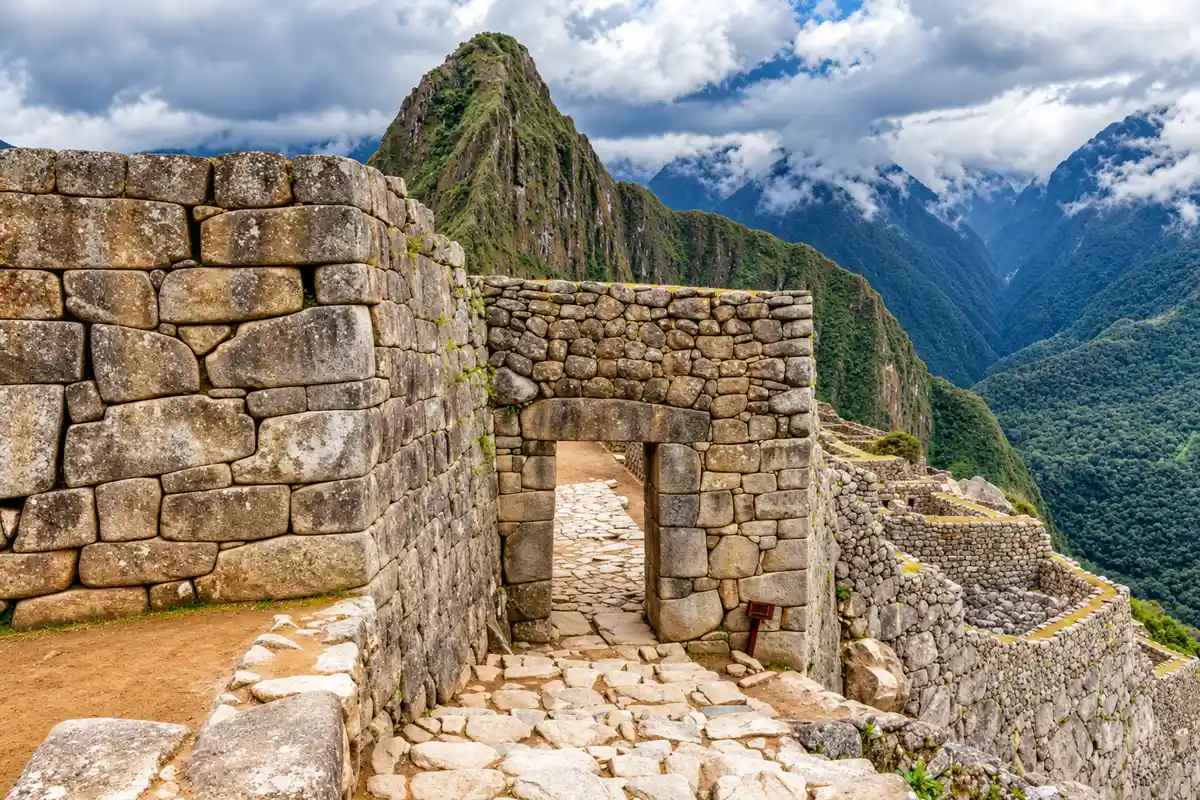
The Incas built Machu Picchu with granite quarried on the ridge itself, cut and fitted without mortar. The quarry is still inside the city. Temples got finely cut blocks; houses and terraces got simpler walls of smaller stones.
Most of the work is out of sight. Civil engineer Kenneth Wright, who has studied the site since 1994, estimates that about 60 percent of the construction effort lies underground in foundations and drains. His team counted 129 drain outlets and a 749 m channel feeding 16 stone fountains.
With almost two meters of rain a year, that drainage is what has kept the city standing for five centuries. The more than 700 terraces hold the slope in place; how they work is explained in our guide to the Machu Picchu terraces.
Who Lived at Machu Picchu?
Between 500 and 750 people lived at Machu Picchu when the royal family was there, and a few hundred servants the rest of the year. These are archaeologists’ estimates; engineer Kenneth Wright gives a wider range of 300 to 1,000.
A DNA study published in Science Advances in July 2023 analyzed 34 people buried around the site. They came from all over the empire: the coast, the highlands and the Amazon, where about a third had their roots. They arrived one by one, not as families.
They were yanaconas, servants bound to the royal family for life, and acllas, chosen women. They married at Machu Picchu and were buried in shallow graves in caves around it.
Were there “Virgins of the Sun” at Machu Picchu?
No. Bingham’s team counted four women for every man among the skeletons and imagined a convent of chosen virgins. When anthropologist John Verano reexamined 177 individuals for Yale in 2003, the ratio was only about 1.5 women per man, and he found no signs of violence or sacrifice.
Why Was Machu Picchu Abandoned?
Machu Picchu was abandoned because the empire that kept the royal estate running collapsed. The radiocarbon dates end around 1530. Normal life had stopped by about 1540, and by 1572, when the last Inca ruler was executed, the site was empty.
- Civil war. The brothers Huáscar and Atahualpa fought over the throne just before the Spanish arrived.
- The Spanish conquest, from the capture of Atahualpa at Cajamarca in 1532.
- Epidemics of smallpox and other diseases from the 1520s. That they emptied Machu Picchu in particular is a theory without direct proof.
As the estate of one royal lineage, Machu Picchu lost its reason to exist once that lineage lost its power.
Why Did It Take So Long to Discover Machu Picchu?
Machu Picchu was never lost to the people of the valley. It was unknown to the outside world because no Spanish chronicle ever described the ruins, even though “Picchu” appears in colonial records from 1568 and 1588.
The Spanish knew the place on paper but never destroyed or rebuilt it, as they did with the temples of Cusco. That is why it survived. In the 19th century, the explorers Charles Wiener and Antonio Raimondi marked Machu Picchu on their maps only as a mountain.
Herman Göhring’s map of 1874 already names the peaks “Macchu Picchu” and “Huaina Picchu”. The German businessman Augusto Berns bought land across the river in 1867 and in 1887 promoted a company to dig for “Inca treasures” nearby. Whether he ever looted the ruins is still disputed and unproven.
Who Discovered Machu Picchu?
Hiram Bingham reached Machu Picchu on 24 July 1911 and made it known to the world, but he was not the first to get there. A local farmer, Melchor Arteaga, led him up the mountain with a police sergeant named Carrasco, for one silver sol.
- On top, two farming families, the Richartes and the Álvarezes, were living in the ruins and growing crops on the Inca terraces. A boy from the families guided Bingham around.
- In 1902, Agustín Lizárraga, a farmer from Cusco, had already visited. Bingham found “Lizárraga 1902” written in charcoal on a wall of the Temple of the Three Windows.
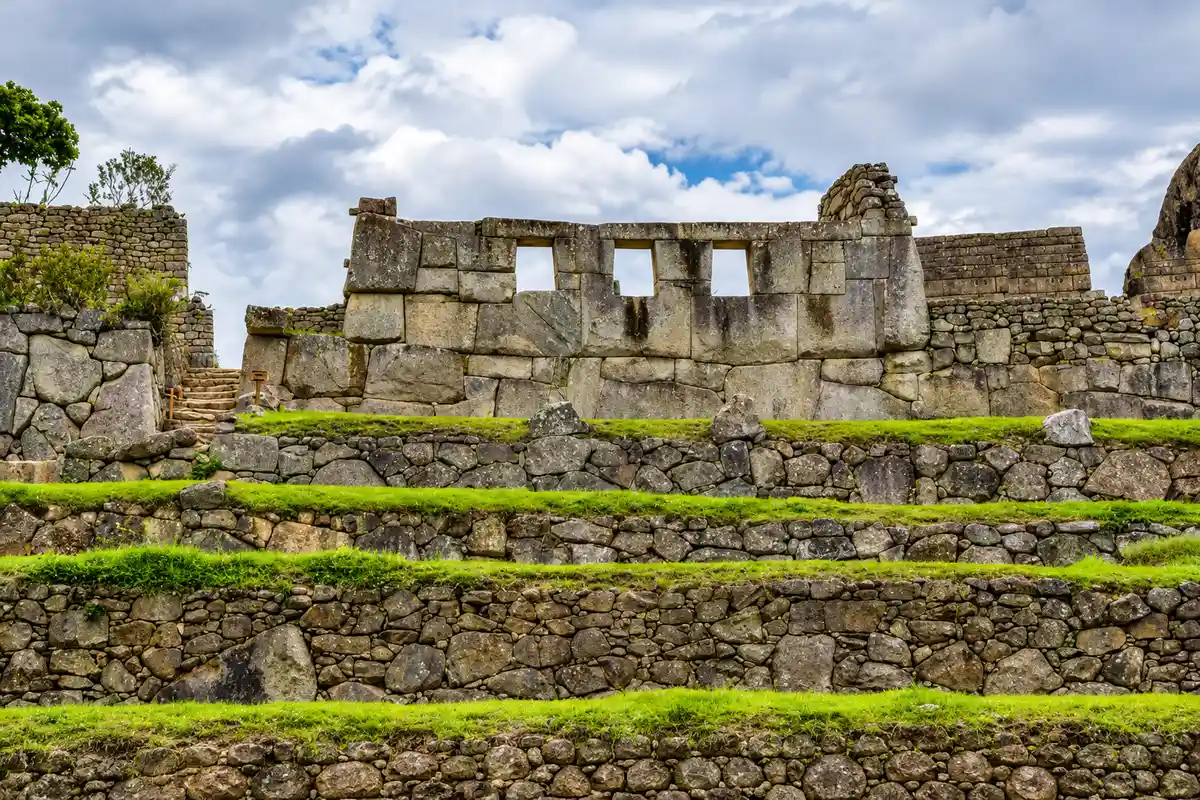
What changed after 1911 was publicity. Yale and the National Geographic Society sponsored the 1912 expedition, which cleared the whole site. In April 1913, National Geographic devoted its entire issue to it, with 244 photographs and a fold out panorama of Machu Picchu.
Hiram Bingham: the Explorer Who Made Machu Picchu Famous
Hiram Bingham III (1875 to 1956) was a Yale lecturer in South American history, born in Honolulu, with no training as an archaeologist. He led Yale expeditions to Peru in 1911, 1912 and 1914 to 1915.
- A politician later. He was lieutenant governor of Connecticut, then governor for one day, 7 to 8 January 1925, before moving to the US Senate, where he served until 1933.
- Censured. In 1929 the Senate censured him for putting a lobbyist on his payroll.
- The author. He wrote Inca Land (1922), Machu Picchu, a Citadel of the Incas (1930) and Lost City of the Incas (1948).
Was he the real Indiana Jones? It is often said, but neither George Lucas nor Steven Spielberg ever confirmed it. The costume designer of Raiders of the Lost Ark (1981) points to Charlton Heston’s character in Secret of the Incas (1954), a film some historians say Bingham’s story helped inspire.
The Machu Picchu artifacts and their return to Peru
The Yale expeditions shipped thousands of objects to the United States between 1912 and 1916, officially on loan. After Peru sued Yale in 2008, the two sides reached an agreement and Yale returned 46,635 objects and fragments in 2011 and 2012. The 366 museum quality pieces are on show at the Machu Picchu Museum in the Casa Concha, Cusco.
Is Machu Picchu the Lost City of the Incas?
No. Bingham was convinced that Machu Picchu was Vilcabamba, the hidden capital where the last Incas resisted the Spanish from 1539 to 1572, and he still argued it in his 1948 book Lost City of the Incas.
Ironically, Bingham had walked through the real site in 1911, at a place called Espíritu Pampa, without realizing it. In 1964 the American explorer Gene Savoy excavated Espíritu Pampa and showed it was Vilcabamba. Later excavations confirmed it.
So Machu Picchu is an Inca royal estate, not the last refuge of the Incas. The “lost city” label survives in documentaries and travel brochures.
What Does Machu Picchu Mean?
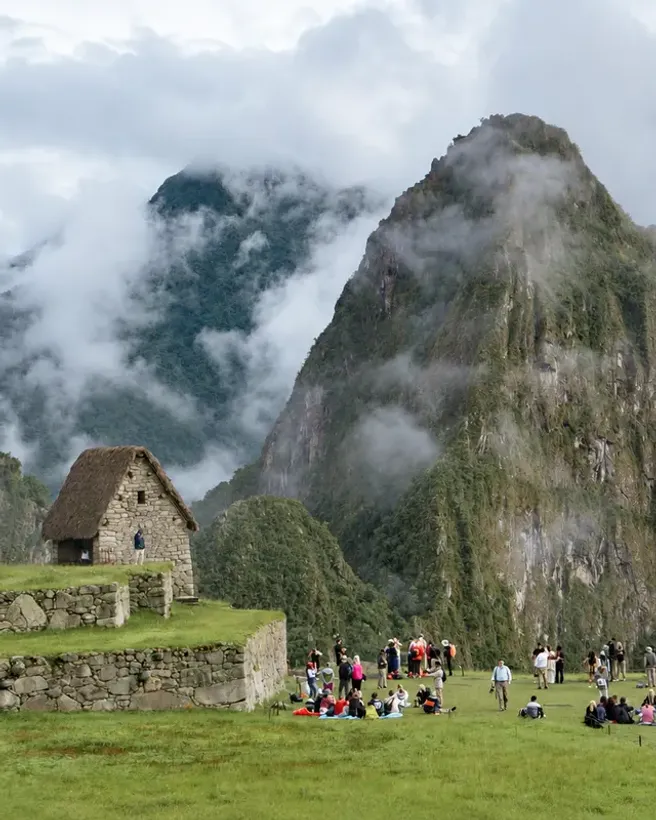
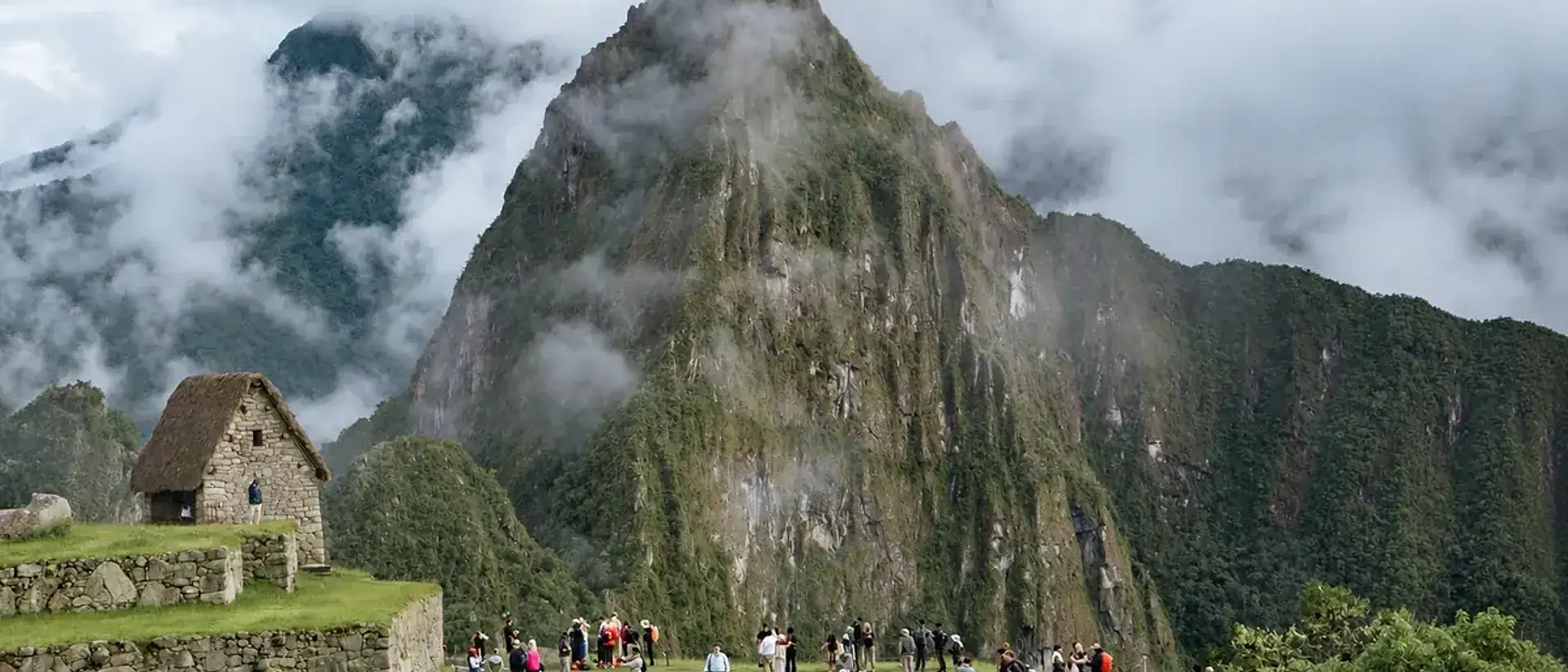
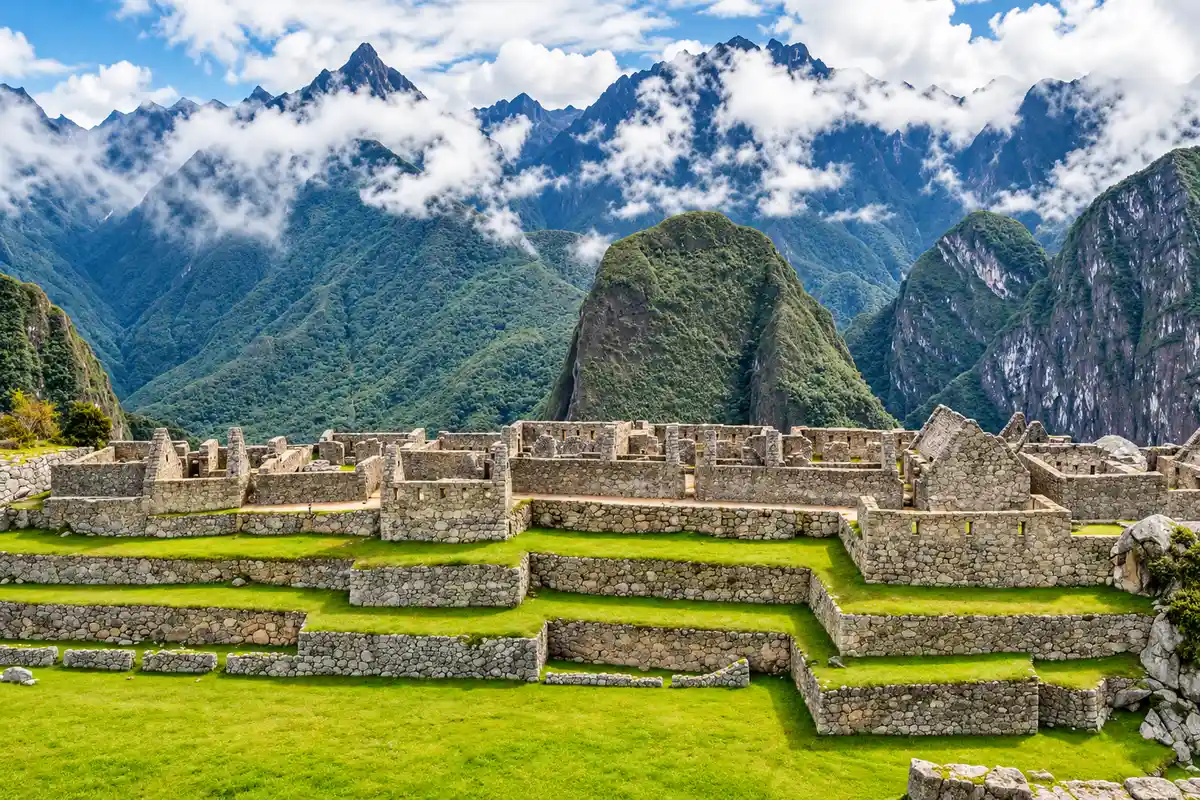
Machu Picchu means “old peak” or “old mountain” in Quechua, the language of the Incas: machu is “old” and picchu a peak. It is the name of the mountain behind the ruins; the pointed peak in every photo is Huayna Picchu, “young peak”.
The Incas probably called the place something else. In 2022, historian Donato Amado Gonzales of Peru’s Ministry of Culture and archaeologist Brian Bauer of the University of Illinois Chicago concluded that the town was called Picchu, or more likely Huayna Picchu.
Their evidence includes documents from 1568, 1588 and 1715 and an atlas of 1904. The name Machu Picchu only stuck to the ruins after Bingham’s publications from 1911. As Amado Gonzales put it, it may not have been Machu Picchu to the Incas, but it is Machu Picchu to the world.
Machu Picchu Timeline
| Year | What happened |
|---|---|
| About 1420 | First residents, according to radiocarbon dating (Antiquity, 2021) |
| 1438 | Pachacuti’s reign begins in Rowe’s classic timeline |
| 1532 | The Spanish capture Atahualpa; the radiocarbon dates end around this time |
| 1559 to 1560 | Pachacuti’s mummy is found in Cusco and sent to Lima |
| 1568 | A land dispute lists Picchu among Pachacuti’s properties |
| 1572 | Fall of Vilcabamba and execution of Túpac Amaru; the site is empty |
| 1867 | Augusto Berns buys land across the river |
| 1874 | Herman Göhring’s map names the peaks Macchu Picchu and Huaina Picchu |
| 1902 | Agustín Lizárraga writes his name on the Temple of the Three Windows |
| 24 July 1911 | Hiram Bingham reaches Machu Picchu |
| 1912 and 1914 to 1915 | Yale expeditions clear and excavate the site |
| April 1913 | National Geographic devotes its whole issue to Machu Picchu |
| 1928 | The railway reaches the camp that becomes the town of Machupicchu Pueblo |
| 1964 | Gene Savoy identifies Vilcabamba at Espíritu Pampa |
| 8 January 1981 | Peru creates the Historic Sanctuary of Machu Picchu, 32,592 ha |
| December 1983 | UNESCO lists it as a World Heritage Site |
| 7 July 2007 | Voted one of the New Seven Wonders of the World |
| 2010 | Floods cut the railway; about 4,000 visitors are trapped and many are lifted out by helicopter |
| 2011 and 2012 | Yale returns 46,635 objects and fragments to Peru |
| 2019 | Record year: 1,585,262 visitors |
| 16 March 2020 | Closed for the pandemic; it reopens on 1 November with 675 visitors a day |
| 2021 | Radiocarbon study moves the founding to about 1420 |
| 2023 | DNA study shows its residents came from all over the empire |
Why Is Machu Picchu Important?
Machu Picchu matters because it is the best preserved royal estate of the Inca Empire, the largest state in the Americas before the Spanish conquest. Inca Cusco was rebuilt by the Spanish; Machu Picchu shows what an Inca royal residence looked like, with its temples, houses, terraces and water system still in place.
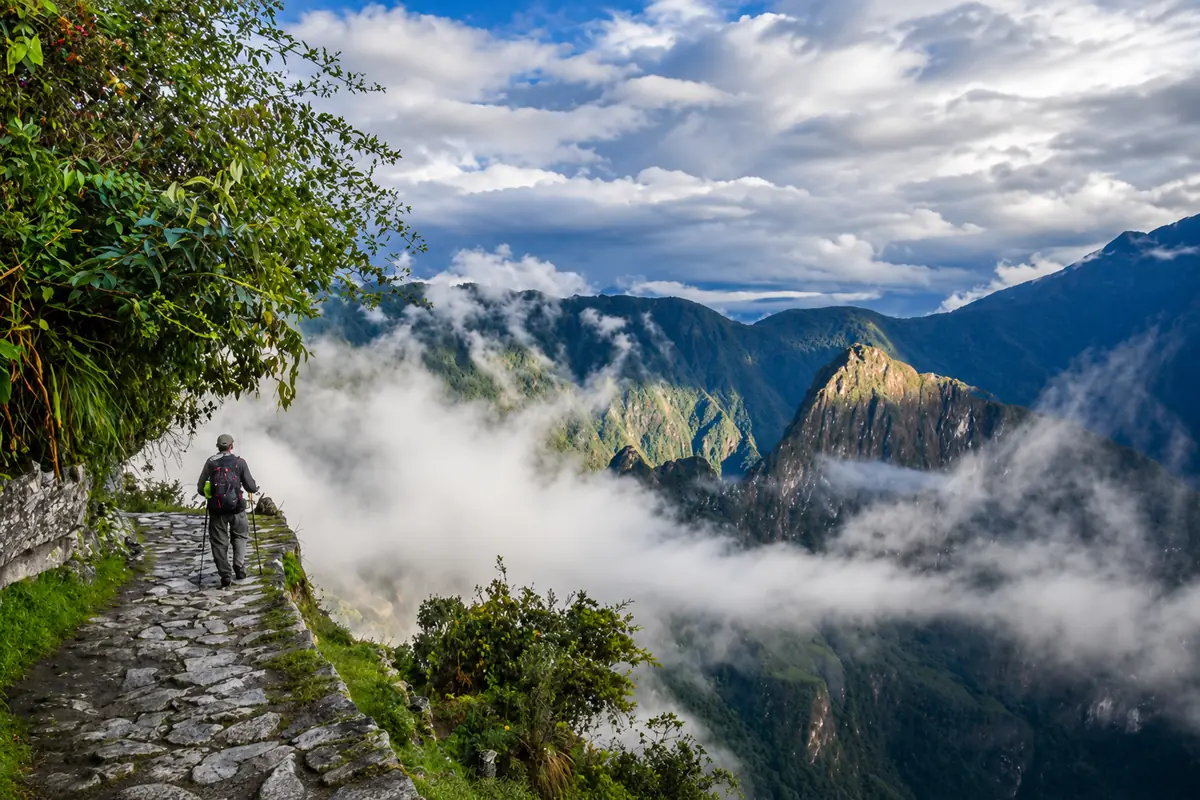
Its historical significance keeps growing with each study. The 2021 dates rewrote the timeline of the whole empire, and the 2023 DNA study showed how the Incas moved people across their lands. That is why UNESCO lists it for its culture and its landscape together.
You can walk into that history on the original Inca road with our Inca Trail 4 Days, or visit with a private guide on our Machu Picchu Private Tour 3 Days.
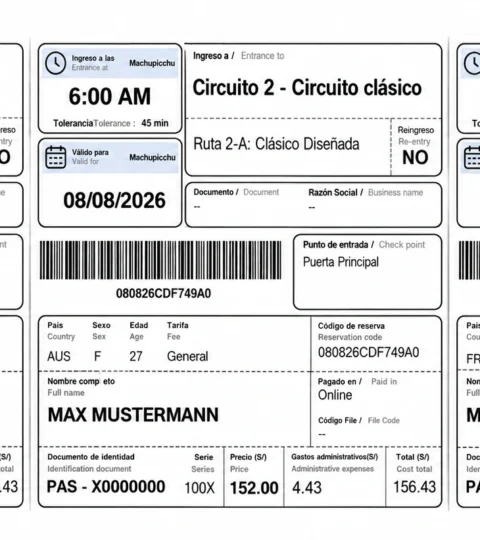
For a shorter trip, our Machu Picchu and Sacred Valley 2 Days adds Pisac and Ollantaytambo, two more sites tied to Pachacuti. Tickets and circuits are explained in our Machu Picchu tickets guide.
Frequently Asked Questions About Machu Picchu History
When was Machu Picchu built?
In the first half of the 15th century. Radiocarbon dates published in 2021 show people lived there from about 1420 to 1530, earlier than the traditional date of 1450.
Who built Machu Picchu?
The Incas, for their ruler Pachacuti. Workers came through the mit’a, the Inca labor tax, and servants of the royal family lived there.
How old is Machu Picchu?
About 600 years old. It was in use for about 110 years, from around 1420 to 1530.
Why was Machu Picchu built?
As a royal estate and country palace for Pachacuti and his court, with an important religious role.
Why was Machu Picchu abandoned?
Because the Inca Empire that supported it collapsed after civil war and the Spanish conquest of 1532. It was empty by 1572.
Did the Spanish ever find Machu Picchu?
They knew of it on paper, since “Picchu” appears in documents from 1568 and 1588, but they never destroyed or rebuilt it.
Who discovered Machu Picchu?
Hiram Bingham made it known to the world on 24 July 1911. Local farmers lived there already, and Agustín Lizárraga had visited in 1902.
What was the original name of Machu Picchu?
Probably Huayna Picchu or simply Picchu, according to a 2022 study of colonial documents by Donato Amado Gonzales and Brian Bauer.