
Why Did the Incas Build Terraces? The Short Answer
The Machu Picchu terraces, called andenes in the Andes, were built mainly to hold a steep mountain in place and to drain about two meters of rain a year. Farming was real, but it came second.
Studies estimate the terraces could feed only about 55 people, while the royal estate housed up to 1,000. Most food was carried up from the valley. The terraces are engineering first and gardens second, which is why they still stand after more than 500 years.
Machu Picchu terraces at a glance:
- More than 700 terraces covering about 4.9 hectares
- Retaining walls up to about four meters high
- About 1,940 mm of rain a year, drained through the terraces
- About 60 percent of the construction effort hidden underground
- Food for about 55 people, against a population of up to 1,000
What Are the Machu Picchu Terraces (Andenes)?
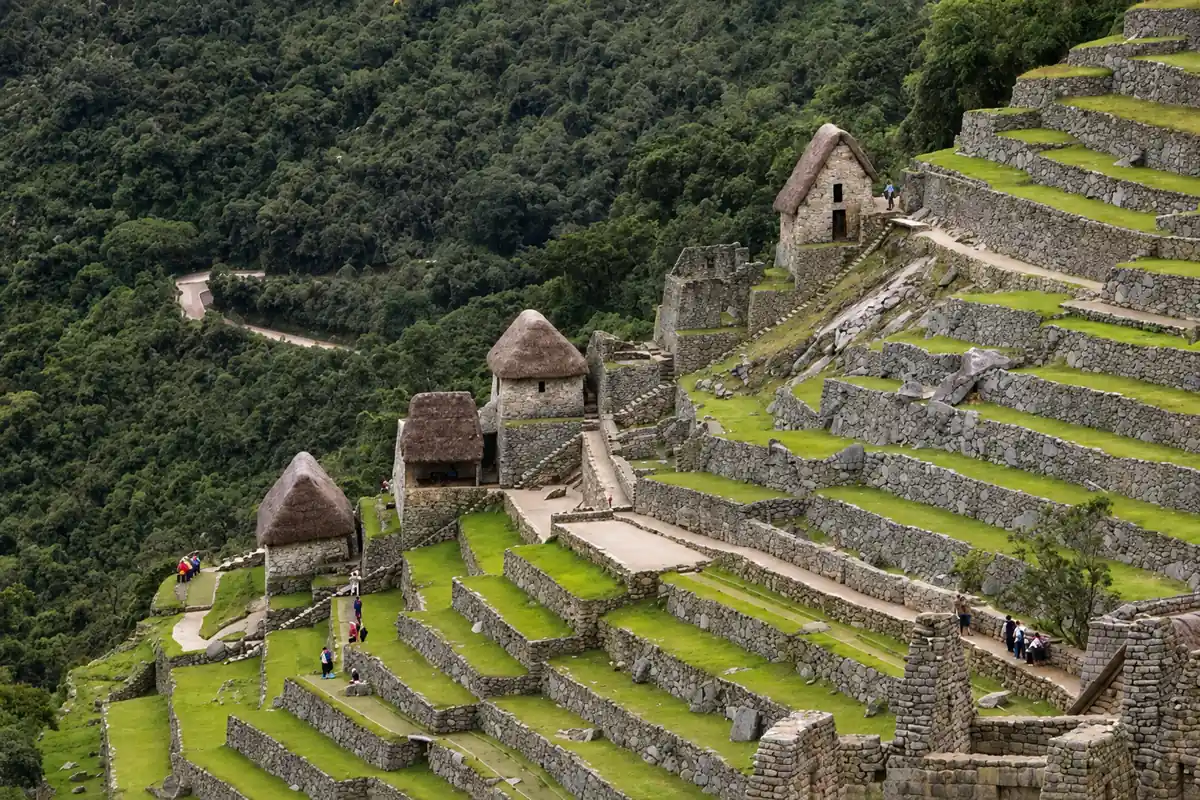
The correct word for these structures is andenes (singular andén). It is a Spanish term for a stepped platform with stone walls, cut into a hillside for farming.
English calls them terraces, but that undersells them. An andén is not a simple step of earth. It is an engineered platform with a hidden drainage system built inside it.
One common myth is worth clearing up: andén is Spanish, not Quechua. The terraces are not named in the language of the people who built them.
Where the terraces are
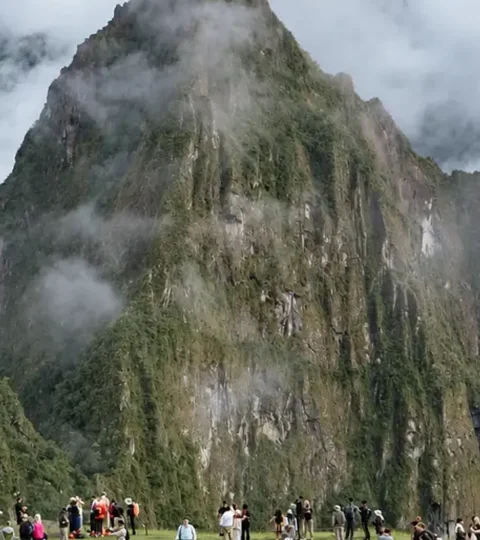
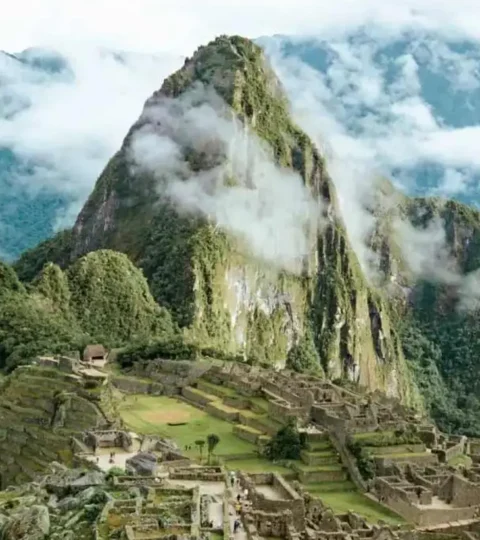
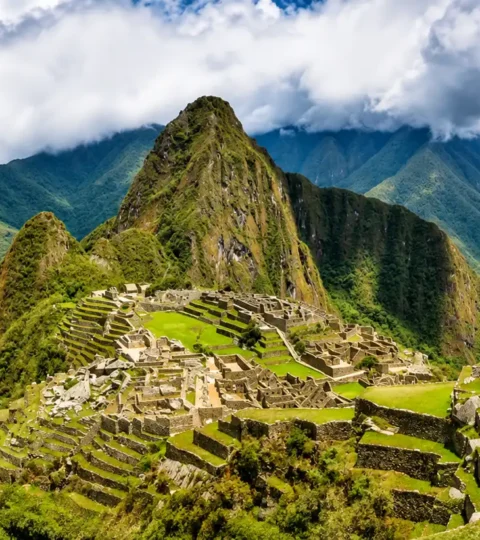
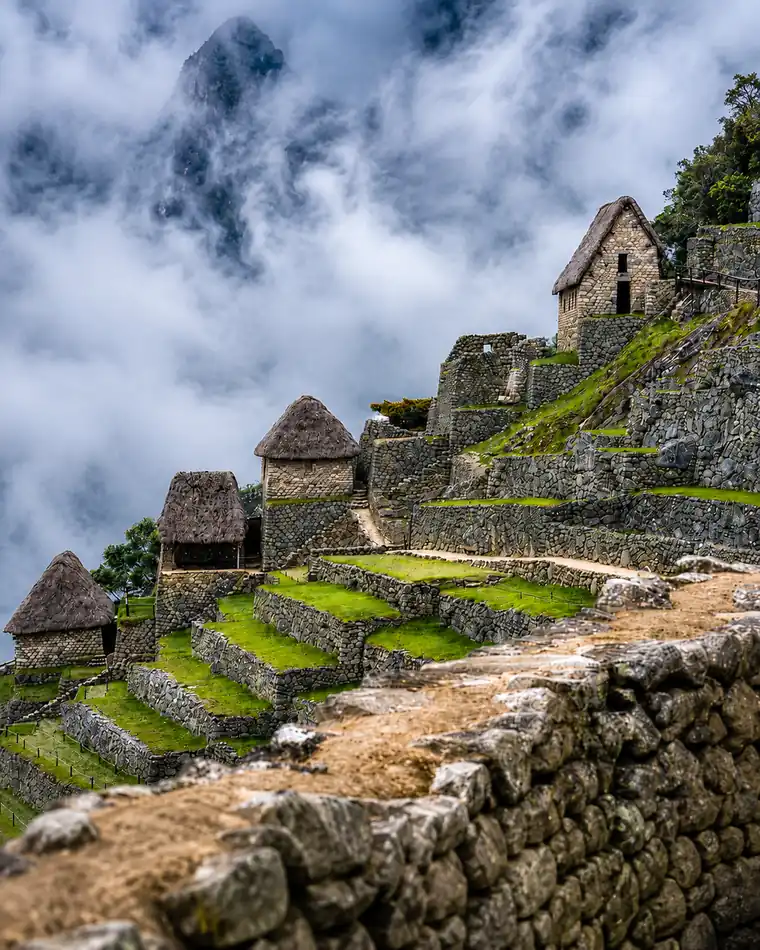
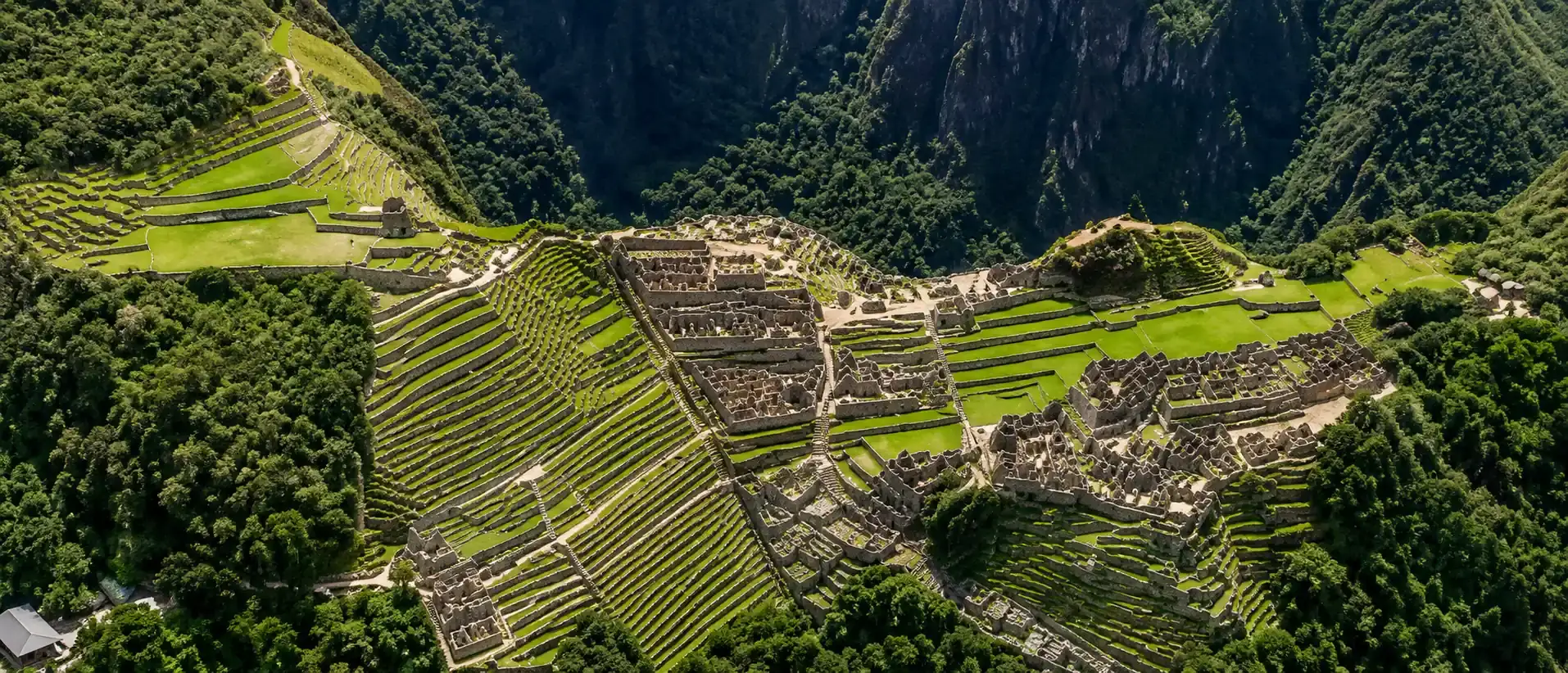
The terraces form the agricultural sector of Machu Picchu, mostly on the southern and southeastern slope. It is the first zone most visitors cross after the entrance. A deep dry moat separates it from the urban sector, where the temples and houses stand.
More terraces climb the lower slopes below the citadel, along the trail to the Sun Gate (Intipunku), near the Inca Bridge, and on parts of Huayna Picchu and Machu Picchu Mountain.
How many terraces, and how big?
The most cited figure comes from the engineering surveys of Kenneth Wright: more than 700 terraces covering about 4.9 hectares. The retaining walls reach up to about four meters high.
Treat that number as a careful estimate, not a fixed count. Terraces continue down the slopes toward the river, and some are still being cleared and studied.
4 Purposes of the Machu Picchu Agricultural Terraces
Ranked by the weight of the evidence, farming is not at the top. Here is what the terraces actually did, in order of importance.
1. To hold up the mountain
The main job of the terraces is structural. They turn a steep slope prone to landslides into a stack of stable platforms that support the buildings and trails above.
As engineer Kenneth Wright put it, without the terraces the mountain would have slid terribly. His team even found a landslide from the construction period, which the Inca stopped with a buried interceptor drain. The builders were managing a moving mountain.
2. To tame two meters of rain a year
Machu Picchu receives close to 1,940 mm of rain a year, about twice what Chicago gets. The terraces let that water sink through and drain away underground, so pressure never builds up behind the walls.
Wright’s most striking finding: about 60 percent of the construction effort at Machu Picchu is invisible, buried as foundations and drainage. The beautiful stonework is only the part you can see.
3. To grow food, but not enough for the city
The terraces were farmed, mostly with maize and potatoes, but they were never meant to feed everyone. Wright’s analysis found they produced food for only about 55 people a year.
The population was a few hundred, rising to around 1,000 when the emperor was in residence. Most food, especially maize, came up from the Urubamba Valley. The terraces needed no irrigation either: the rain alone was enough.
4. To create a deliberately beautiful landscape
The Inca knew the terraces looked magnificent. Wright calls them an important visual amenity, and their sweeping green steps give Machu Picchu its unmistakable silhouette. Beauty was a genuine, if secondary, part of the design.
How the Inca Terraces Were Built, Layer by Layer
Each terrace is a layered filter, built from the bottom up:
- Large stones and chips left over from cutting the masonry
- A layer of gravel
- A layer of coarse sand
- About half a meter of fertile topsoil on top
Rainwater percolates down through these layers and drains out through the base and through outlets in the wall faces. Water pressure never gets the chance to burst the walls.
The retaining walls are dry stone, laid without mortar and leaning slightly inward. This lean, called batter, pushes the load back into the slope. Many terraces also have flying steps: single stones that jut from the wall so you can climb between levels.
Without mortar, the stones can shift and resettle during an earthquake instead of cracking. That is a large part of why the terraces have survived five centuries in one of the most seismically active countries on Earth.
Inca Terrace Farming at Machu Picchu: What They Grew and Where the Food Came From
The crops were probably mostly maize and potatoes. Maize matters more than it looks. It was the prestige crop of the Inca, used to brew the ritual beer called chicha, so it marks Machu Picchu as a royal estate rather than an ordinary farm.
You will often read that the terraces were an experimental farm that used stacked microclimates to test crops. That idea is well documented at Moray, but it is not proven at Machu Picchu, so treat it as an informed guess for this site.
The same caution applies to the claim that all the soil was hauled up from the river. The topsoil was certainly placed by hand, but soil analysis could not confirm whether it came from the valley floor or from nearby slopes.
The strongest evidence of imported food comes from the people themselves. A 2023 study of ancient DNA found that only 7 of 34 individuals buried at the site had local highland ancestry. About a third had Amazonian ancestry, and most came from across the empire.
Machu Picchu was run by a diverse community from far away, and its food, like its people, came from elsewhere.
Inca Terraces Compared: Machu Picchu, Moray, Ollantaytambo, Pisac and Wiñay Wayna
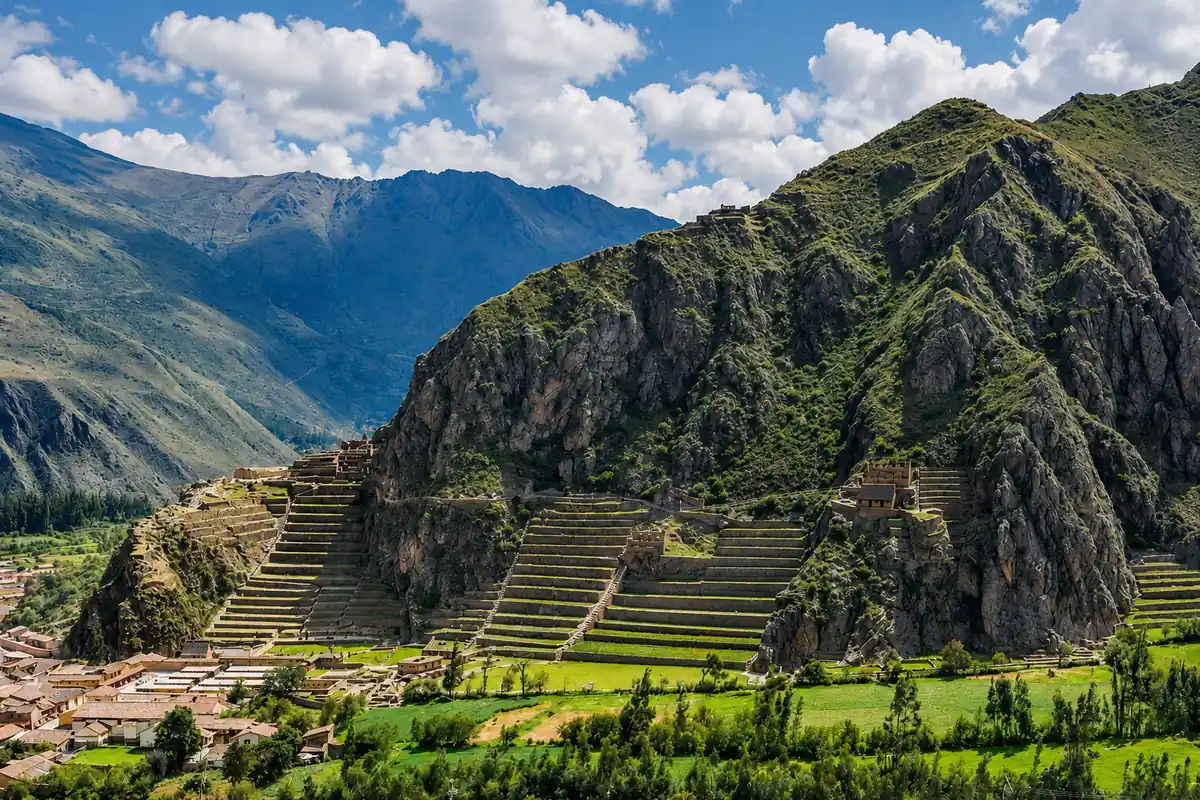
Machu Picchu belongs to a whole family of Inca terraces, and seeing the others makes its purpose clearer. A Sacred Valley day tour takes in the farming terraces of Pisac and Ollantaytambo.
The curved terraces of Wiñay Wayna are one of the highlights of the classic Inca Trail in four days.
| Site | Terrace style | Elevation (approx.) | Main role |
|---|---|---|---|
| Machu Picchu | Andenes that stabilize the slope | 2,430 m | Structure and drainage first, farming second |
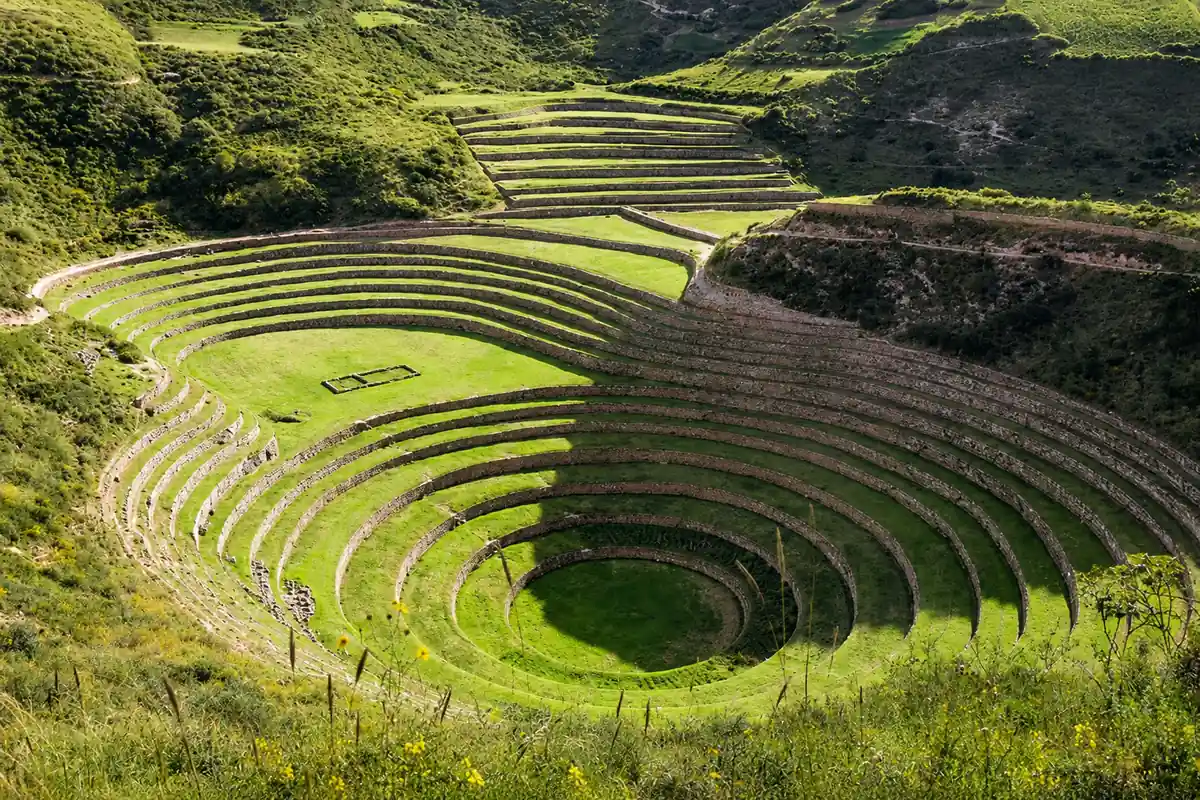
| Moray | Concentric circular bowls | 3,500 m | Agricultural experiment, with up to 15 °C between top and bottom |
| Ollantaytambo | Tall andenes faced with stone | 2,792 m | Farming and defense, Sacred Valley breadbasket |
| Pisac | Sweeping mountainside terraces | 3,000 m | Farming on a large scale |
| Wiñay Wayna | Curved terraces on the trail | 2,650 m | Farming and ceremony, last major site before the Sun Gate |
Swipe the table sideways to see more →
The comparison drives home the key point. Ollantaytambo and Pisac were the true breadbaskets. From valleys like these, food was carried up to a royal estate that could not feed itself.
Where to See the Machu Picchu Terraces on Your Visit (2026 Rules)
Machu Picchu is a UNESCO World Heritage Site, and its classic postcard view is taken from the Guardian’s House (Casa del Guardián). It sits at the top of the agricultural sector, looking over the terraces toward the citadel and Huayna Picchu.
Not every ticket reaches it. Make sure your circuit includes the upper terrace, because routes limited to the lower terrace skip this viewpoint.
One firm rule: you may walk the marked paths through the agricultural sector, but climbing, sitting or leaning on the terrace walls is forbidden, and the rangers enforce it. Stay on the paths and admire the andenes without touching them.
Our Machu Picchu tour packages cover every way to arrive. See the terraces in a single day with the Machu Picchu by train day trip, or pair them with the valley terraces on the Machu Picchu and Sacred Valley tour in two days.
Machu Picchu Terraces: Frequently Asked Questions
Why did the Inca build terraces at Machu Picchu?
Mainly to stabilize a steep slope soaked by rain and to drain heavy rainfall, which keeps the site from sliding downhill. They also created flat ground for farming and gave Machu Picchu its stepped look. Engineers rank the structural and drainage roles first.
What were the terraces used for?
Slope stabilization, rainwater drainage and farming, mainly maize and potatoes, plus a deliberate visual effect. The farming was real but secondary, since the terraces alone could not feed the population.
How were the terraces built?
In layers: large stones at the base, then gravel, then sand, then about half a meter of topsoil placed by hand. Stone walls without mortar, leaning slightly inward, hold everything. The layers drain the water so pressure never bursts the walls.
Why haven’t the terraces collapsed?
Because of superb hidden drainage, with about 60 percent of the construction effort underground, combined with flexible walls of dry stone that shift during earthquakes instead of cracking. After roughly 500 years they remain largely intact.
Did the Inca farm at Machu Picchu?
Yes, but not enough for the site to feed itself. The terraces could feed only around 55 people, against a population of up to about 1,000, so most food was brought from the Sacred Valley.
How many terraces are there?
Commonly cited as more than 700, covering about 4.9 hectares. The exact count is not fixed, because terraces extend down the slopes and are still being studied.