
The Short Answer
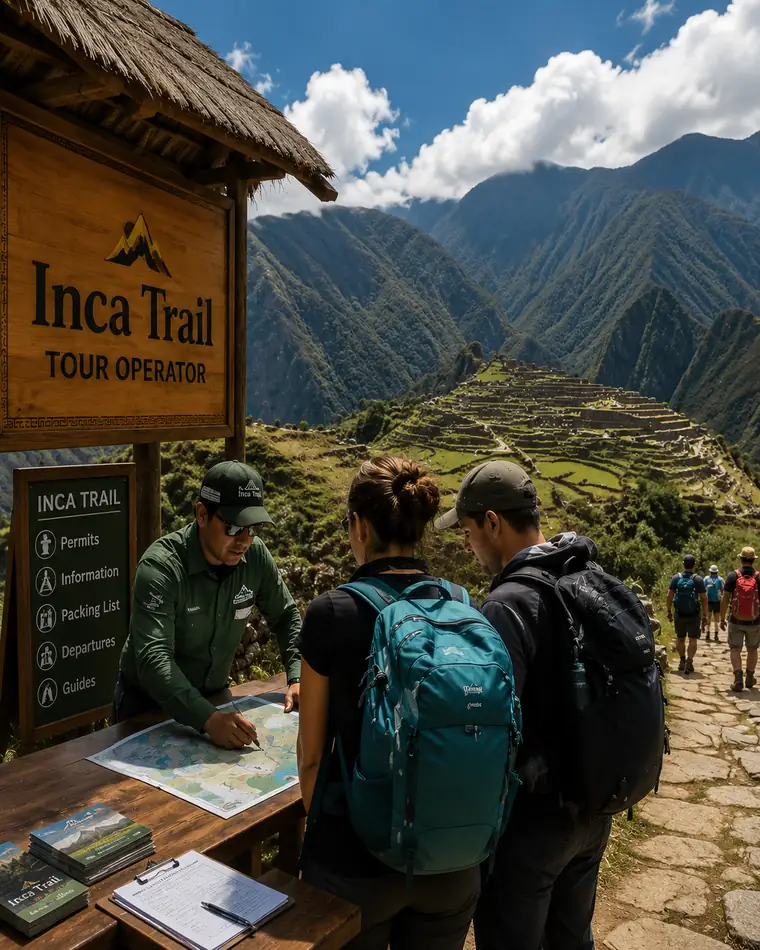
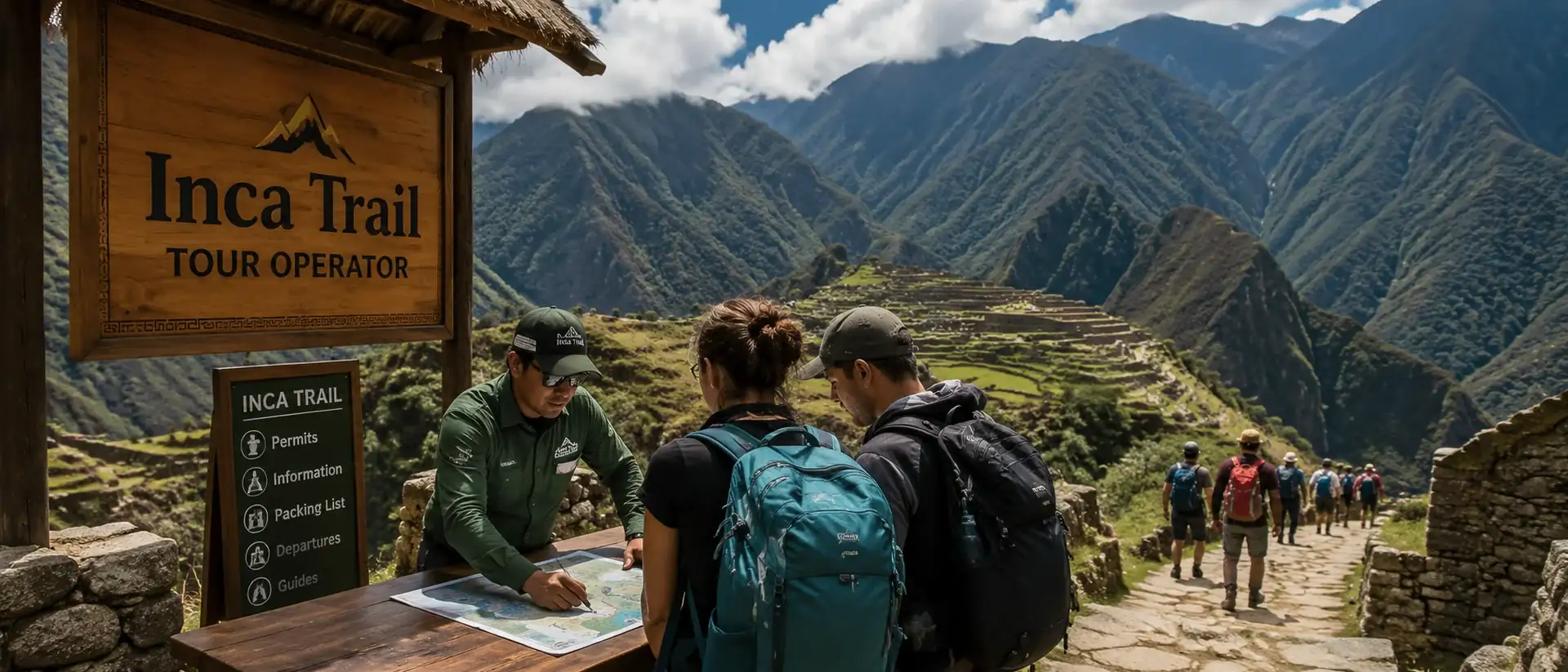
Inca Trail tour operators are the licensed travel agencies that the Peruvian government authorizes to run the trek to Machu Picchu. Permits are never sold to individual hikers, and trekking without a licensed guide has been banned since 2001. So the real question is not whether you need a tour operator, but which one to trust with your permit, your safety, and four days on the mountain.
Before you pay, do three things: confirm the company appears in two official registries (MINCETUR’s national directory of tourism providers and SERNANP’s list of authorized operators for the Machu Picchu Historic Sanctuary), ask in writing whether they run the trek themselves or resell it to another operator, and check how they treat their porters. Then book six to eight months ahead for high season, because permits sell out in hours.
What is an Inca Trail tour operator?
An Inca Trail tour operator is a registered travel and tourism agency that has signed a tourism services contract with SERNANP, the authority that manages the protected area around Machu Picchu. That contract is what allows the agency to buy permits and run treks on the Inca Trail network. Individual travelers cannot do any of this on their own.
A genuine operator handles the entire operation directly:
- Reserves and pays for your permit in the official government system, in your name and passport number.
- Provides the official licensed guides required by law (one guide for groups of up to 8, two guides for groups of 9 to 16).
- Hires and pays the support staff (porters and cooks) registered in the sanctuary’s official roster.
- Supplies camping equipment, meals, transport, and logistics.
- Is responsible for the safety of both travelers and staff for the entire route.
Why you cannot book the Inca Trail without an operator
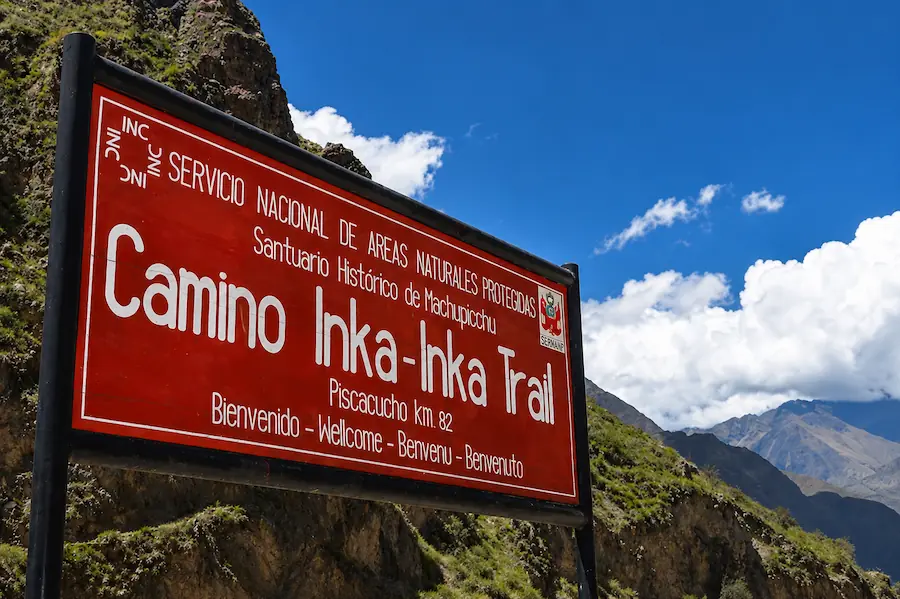
Two rules make an operator mandatory. First, permits are nominal, non transferable, and non refundable. They are issued with the name and passport number of each trekker and cannot be resold, changed, or refunded under any circumstances. Second, self guided hiking on the Inca Trail has been prohibited since 2001, so every visitor must be accompanied by an official, authorized guide.
This is also why you should never buy a plane ticket to Cusco before your permit is confirmed. If your dates are not available, you cannot simply move the permit. You would have to buy a new one, if any are left.
Who regulates Inca Trail tour operators
The Inca Trail sits under a double system of oversight: one set of authorities controls access to the trail and the citadel, another licenses the company as a tourism business. Understanding who does what helps you know where to verify an operator.
| Authority | What it controls |
|---|---|
| SERNANP (Machu Picchu Sanctuary) | Manages the protected area, grants the tourism services contract, registers porters and cooks. |
| Ministry of Culture / DDC-Cusco | Guardian of the cultural heritage, runs the official ticket and reservation system. |
| MINCETUR | National tourism regulator, publishes the official directory of qualified tourism providers. |
| DIRCETUR-Cusco | Issues the agency’s registration certificate and enforces rules on the trail. |
| SUNAFIL / DIRTRAB-Cusco | Enforce labor conditions for porters and support staff. |
How to verify an Inca Trail operator is licensed
This is the single most important step, and it takes about ten minutes. Legitimate Inca Trail tour operators will always pass these checks.
- Check MINCETUR’s national directory. Search the operator by company name or RUC (Peruvian tax ID) in the official directory of qualified tourism providers. If the company does not appear, it is operating informally. Do not book.
- Check the SERNANP list of authorized operators for the Machu Picchu Historic Sanctuary, published on the SERNANP portal. Only companies on this list can legally run the Inca Trail.
- Ask for the authorization code. Authorized operators carry an official code and will share it on request.
- Confirm the RUC is active with Peru’s tax authority (SUNAT).
- When in doubt, call the authority directly. The Ministry of Culture in Cusco can confirm whether an agency’s authorization number is real.
If a company cannot or will not give you a verifiable license, treat that as a final answer.
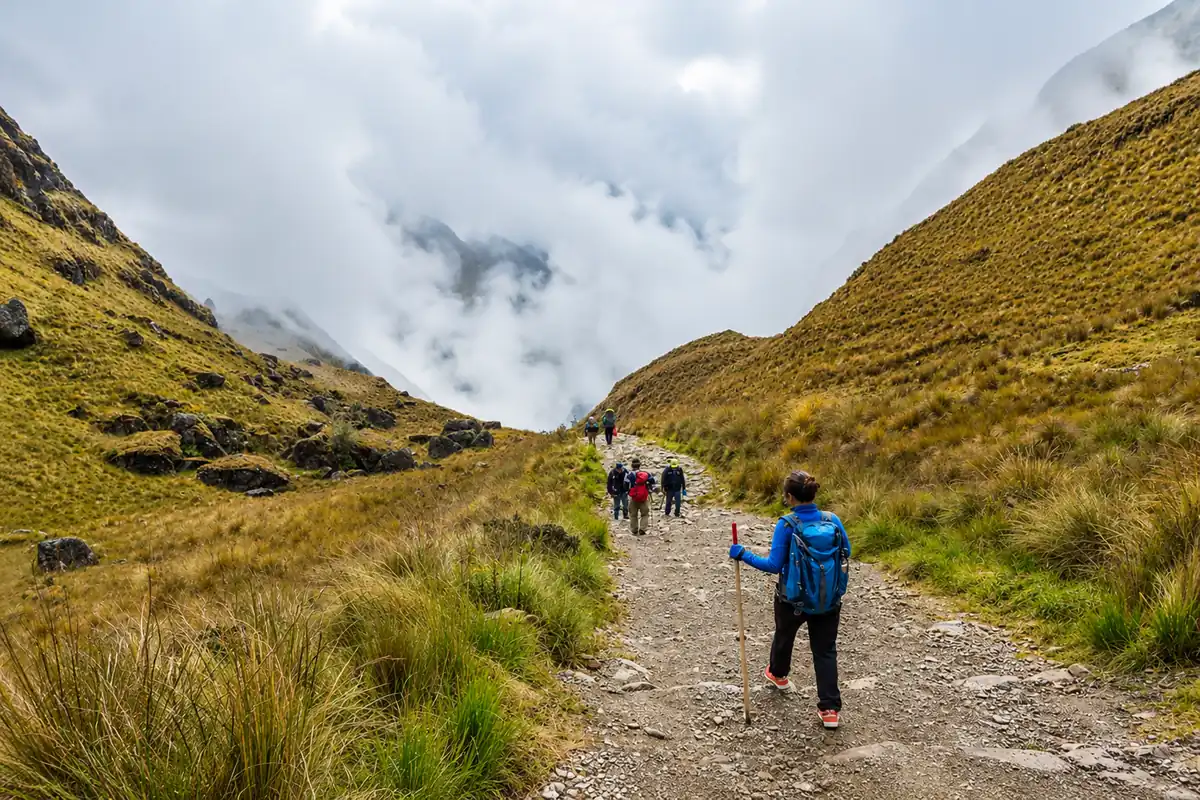
Direct operator vs. reseller: know who actually runs your trek
Not every company selling an Inca Trail package is the company that will guide you up the mountain. There are two very different roles.
| Direct operator | Reseller / broker | |
|---|---|---|
| Buys your permit | Yes, directly | No, passes the booking to an operator |
| Hires guides, porters, cooks | Yes | No |
| Runs the logistics on the trail | Yes | No, hands you to a third party |
| You know exactly who guides you | Yes | Only if they tell you |
A reseller is not automatically a bad choice, but you have the right to know who will actually run your trek. Before paying, ask for the name and license number of the operating company and verify it yourself. A seller who refuses to reveal the real operator is a red flag.
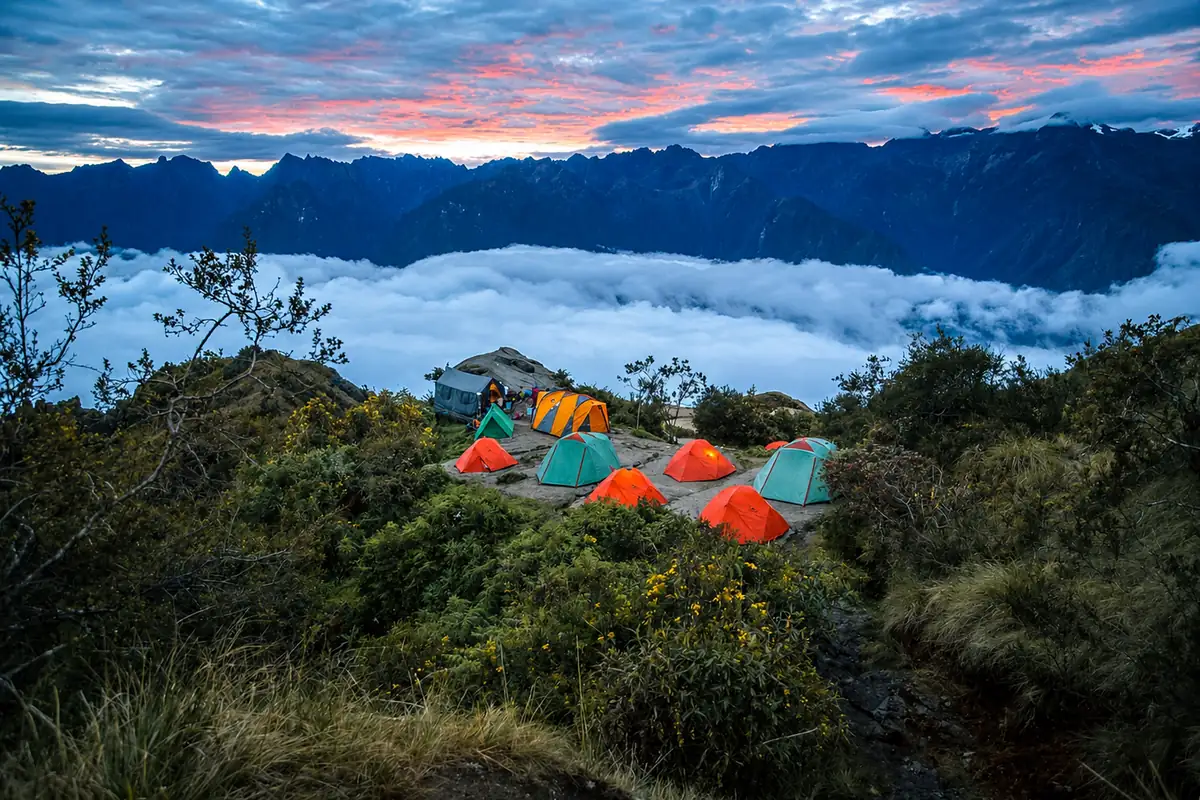
What to look for before choosing an operator
- Guide credentials. Your guide should be an official tourism guide or a licensed tourism professional with a valid, current card. Ask about languages and experience on the trail.
- Group size. The legal maximum is 16 trekkers per group. Smaller groups mean a better experience. Some operators voluntarily cap groups at 8.
- Equipment. Quality tents, sleeping mats, a first aid kit, an emergency oxygen tank, and a short wave emergency radio.
- Food. A dedicated cook, hygienic preparation, and the ability to handle vegetarian, vegan, or gluten free diets.
- Safety. Clear emergency and evacuation protocols. Note that the permit does not include travel insurance, so buy your own.
- Porter welfare. The clearest signal of an ethical operator. See below.
- Cancellation policy. Because permits are non refundable, no honest operator can refund the permit cost. Read the terms on date changes carefully.
Porter welfare: the ethical test that separates good operators from cheap ones
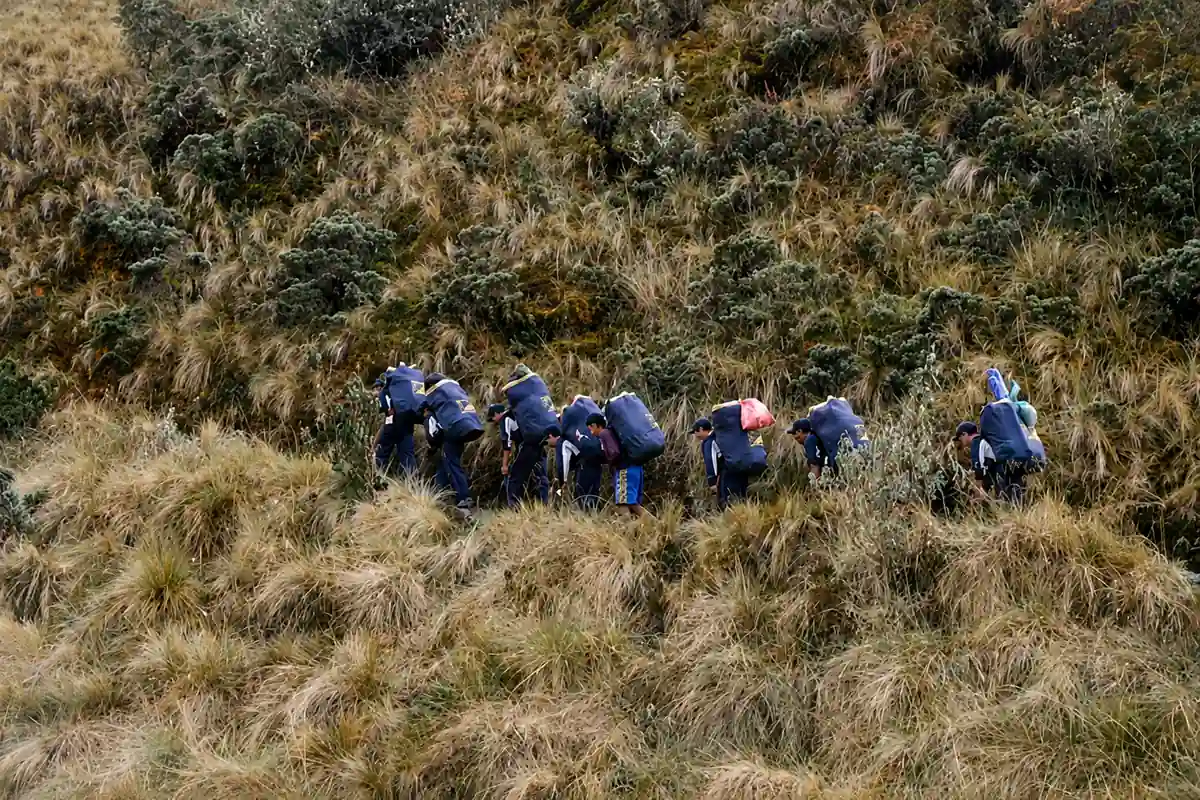
Porters, the chaskis, carry the camp so you can walk with a daypack. How an operator treats them is the most reliable proxy for its overall quality, and Peruvian law sets clear standards. Current regulations cap loads at 20 kg for men and 15 kg for women, set a minimum daily wage, and require enrollment in health insurance and accident coverage, along with proper food, clothing, and sleeping conditions.
A price far below the market usually means those standards are being cut somewhere, and it is almost always the porters who pay for it. When you compare Inca Trail tour operators, ask directly how they guarantee fair porter treatment. A serious company will answer without hesitation.
Permits, availability, and when to book
Inca Trail permits are limited every day and released once a year, usually in October or November for the following season. For 2026, sales opened on November 17, 2025, and high season slots disappeared within minutes. A few practical rules:
- Book 6 to 8 months ahead for the high season of May through September.
- February is closed every year for trail maintenance.
- Permits cannot be changed or refunded, so confirm your dates before booking flights.
- You will need your full name, passport number, date of birth, sex, and nationality at the time of booking, and your passport must be valid.
If your ideal dates are gone, alternative routes such as the Salkantay or Lares treks reach Machu Picchu with more flexible availability and cancellation terms.
Green flags vs. red flags
| Green flags | Red flags |
|---|---|
| Visible authorization number | No license number anywhere |
| Listed in MINCETUR and SERNANP registries | Not found in any official directory |
| A verifiable physical office | Contact only through WhatsApp or social media |
| Written contracts and clear pricing | Prices far below the market |
| Clear porter welfare policy | Promises to refund the permit (impossible for a real operator) |
Common mistakes travelers make
- Booking too late and losing high season slots.
- Choosing on price alone, which often means porter exploitation.
- Skipping the license check.
- Not reading the cancellation policy.
- Booking through social media with no verification.
- Confusing the classic Inca Trail with alternative routes that have different rules.
Frequently asked questions
Can I hike the Inca Trail without a tour operator?
No. Permits are only sold to authorized agencies, and a licensed guide is mandatory. Independent trekking has been banned since 2001.
How do I know if an Inca Trail operator is legitimate?
Search the company in MINCETUR’s national directory and confirm it appears on SERNANP’s list of authorized operators for Machu Picchu. If it is missing from either, do not book.
Why are Inca Trail permits non refundable?
Permits are issued in your name and passport number and cannot be transferred or refunded. This is a government rule, not an operator policy, which is why no honest operator can offer a permit refund.
How far in advance should I book?
Six to eight months ahead for high season (May to September). Permits are released once a year and sell out quickly.
What if there are no permits left for my dates?
Consider an alternative trek such as Salkantay, which reaches Machu Picchu with more flexible availability and does not require the same permit.
Choosing your operator with confidence
The Inca Trail rewards travelers who choose carefully. Verify the license in two official registries, insist on knowing who will actually run your trek, and use porter welfare as your ethical filter. Do that, and the only thing left to focus on is the walk itself, four days on the original stone road the Incas built to Machu Picchu.
At Andean Moments we are a direct, licensed operator: we buy your permit ourselves, guide you with our own team, and treat our porters as the professionals they are. Explore our Inca Trail treks from Cusco, walk the full classic Inca Trail in 4 days, or choose the shorter 2 day Inca Trail if you are short on time.