
The Short Answer
For most first-time visitors, the best place to stay in Cusco is the Historic Center around the Plaza de Armas: it is flat, walkable to the main sights, and where nearly every tour picks you up. If you want character and views, San Blas is the bohemian favorite, though it means real uphill climbs at 3,399 meters. And here is the tip that most guides miss: because Cusco sits so high, spending your first night or two lower in the Sacred Valley is the smartest way to beat altitude sickness before you take on the city and Machu Picchu.
This guide to where to stay in Cusco breaks down every neighborhood, the Cusco-versus-Sacred-Valley decision, realistic 2026 prices, and where to base yourself for each type of trip. Prices and advisories below are current as of 2026; always reconfirm before you book.
Best area to stay in Cusco by type of traveler
| You are a… | Best base | Why |
|---|---|---|
| First-timer | Historic Center / Plaza de Armas | Flat, central, walkable, easy tour pickups |
| Couple or design lover | San Blas | Boutique hotels, artisan streets, terrace views |
| Family | Central Cusco or the Sacred Valley | Convenience, or space and gentler altitude |
| Budget / backpacker | San Pedro or a social hostel | Cheapest beds, market and station nearby |
| Luxury traveler | Centro luxury or Sacred Valley resort | Oxygen-enriched rooms, historic pedigree, spa |
| Older or altitude-sensitive | Sacred Valley first, then flat Centro | Sleep lower before going higher |
| Trekker (Inca Trail, Salkantay) | Central Cusco | Pre-dawn pickups reach you easily |
Two Things Decide Where You Stay: Layout and Altitude
Cusco’s historic core is compact and beautiful, but it is also cobbled, narrow and steep, and it sits at 3,399 meters (11,152 feet). Those two facts drive the whole decision. A hotel that looks five minutes from the Plaza on a map can mean a punishing uphill climb with luggage on your first day, when your body has the least oxygen. So think in two layers: how central and flat the area is, and how high you are sleeping while your body adjusts.
The Cusco Neighborhoods
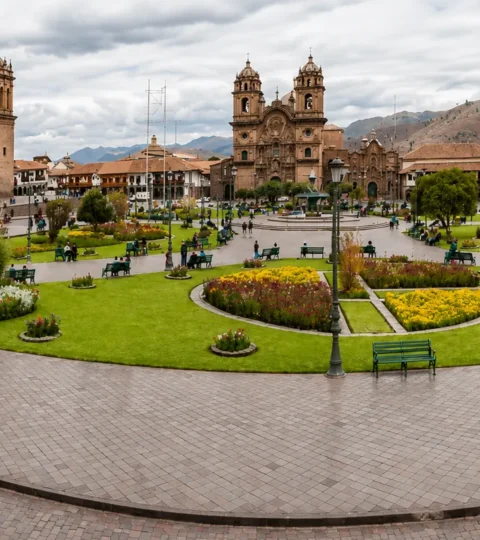
Historic Center and the Plaza de Armas
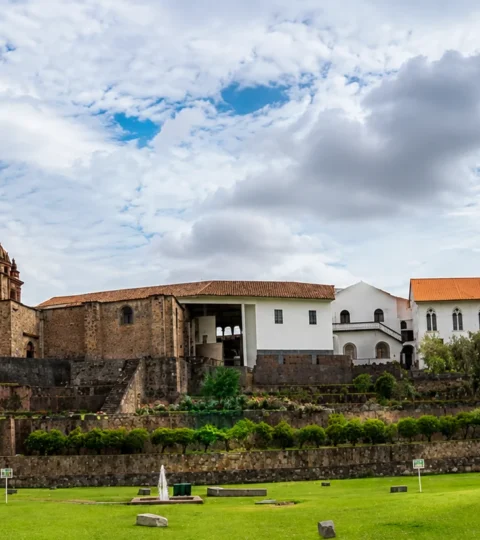
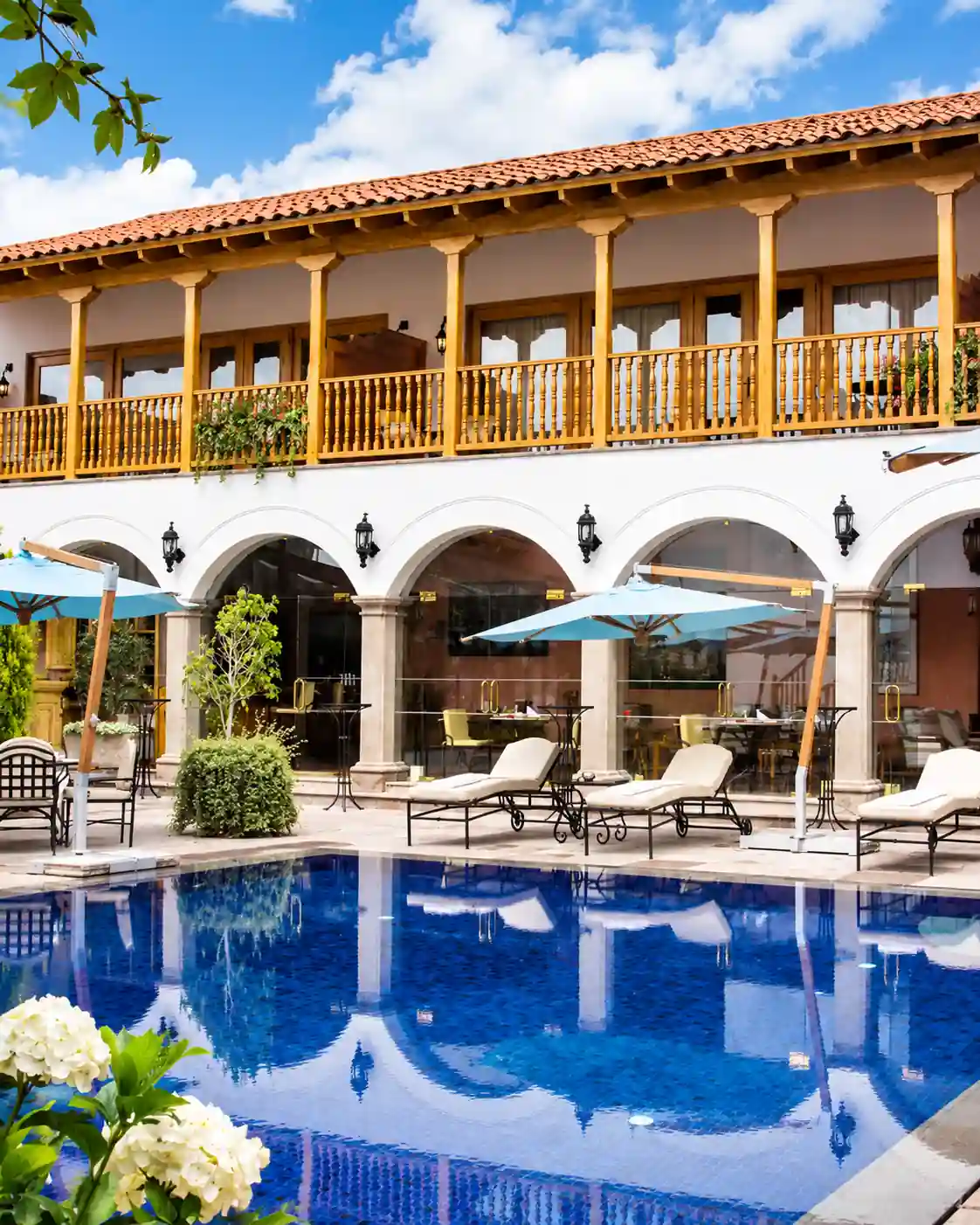
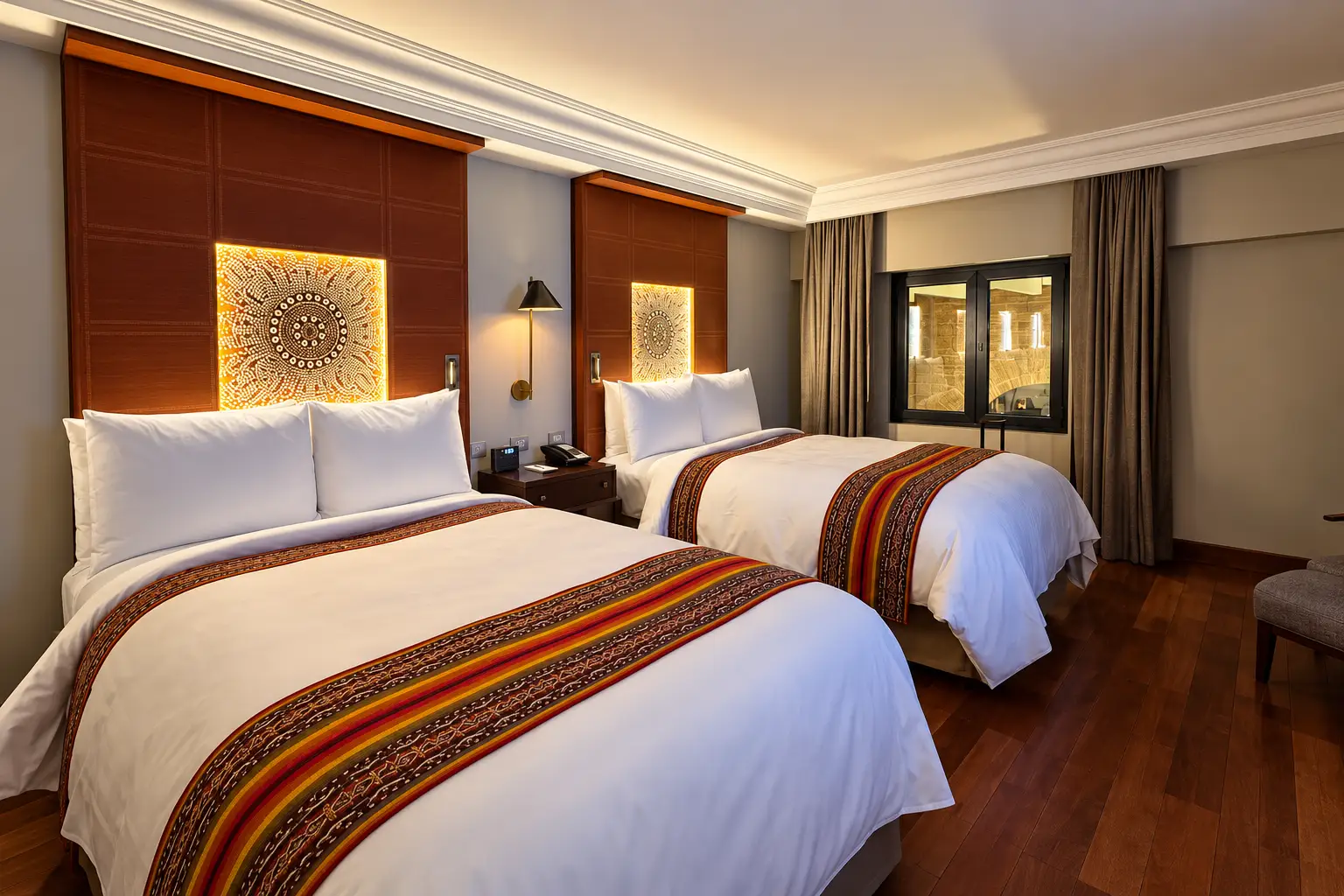
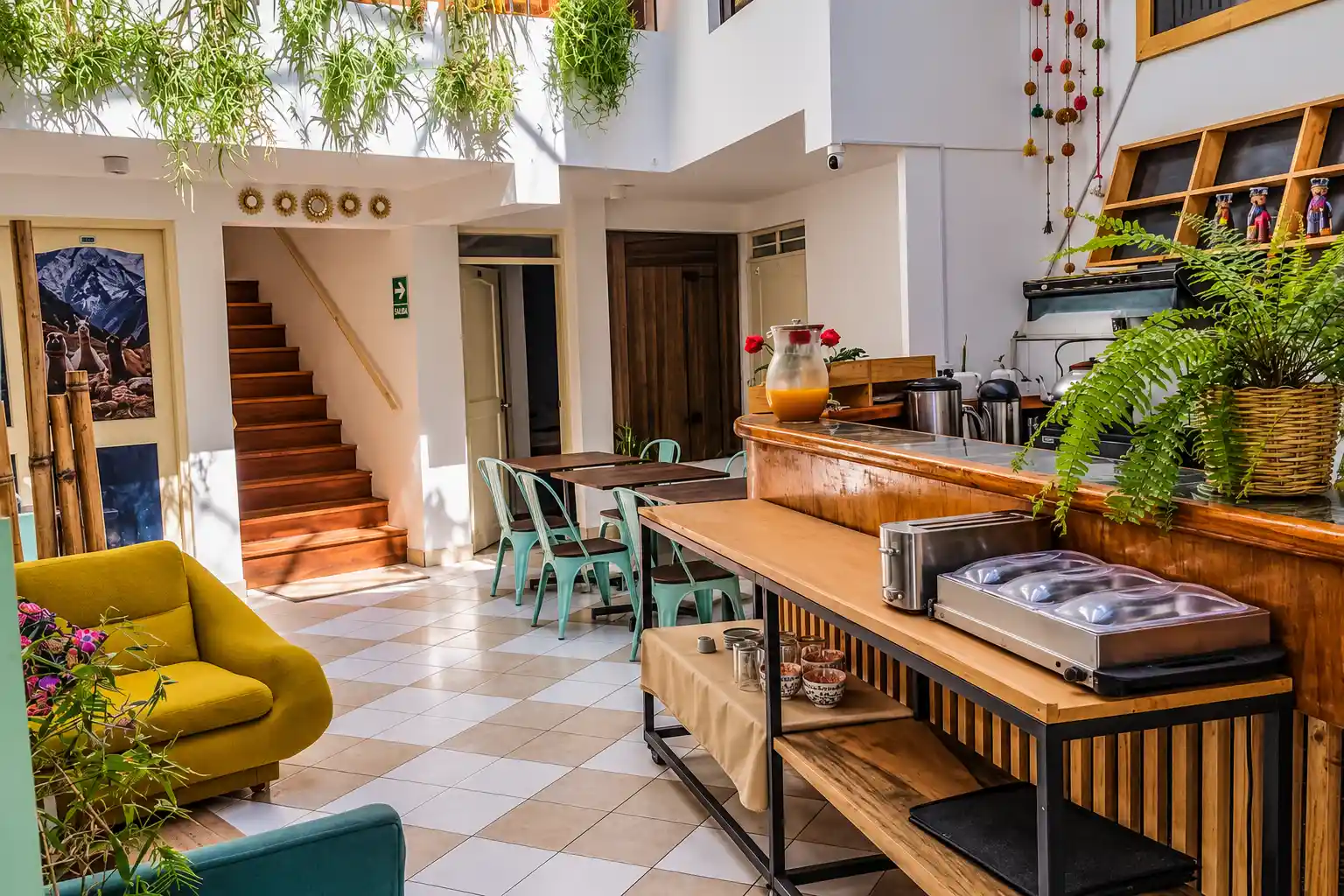
The easiest and most popular base, and the right call for most first-timers. You can walk on the flat to Qorikancha, the Cathedral and the main museums, the Tourist Police presence is strongest here, and almost every day tour picks up in or near the square. The trade-off is that it is the most touristy and liveliest part of the city, with nightlife around the Plaza running late. If you are a light sleeper, ask for an interior courtyard room. Expect the highest average nightly rates in the city here. Notable options span the tiers, from the luxury Palacio del Inka and JW Marriott El Convento to the mid-range Tierra Viva hotels and the budget-friendly Pariwana Hostel, all within a few blocks of the square.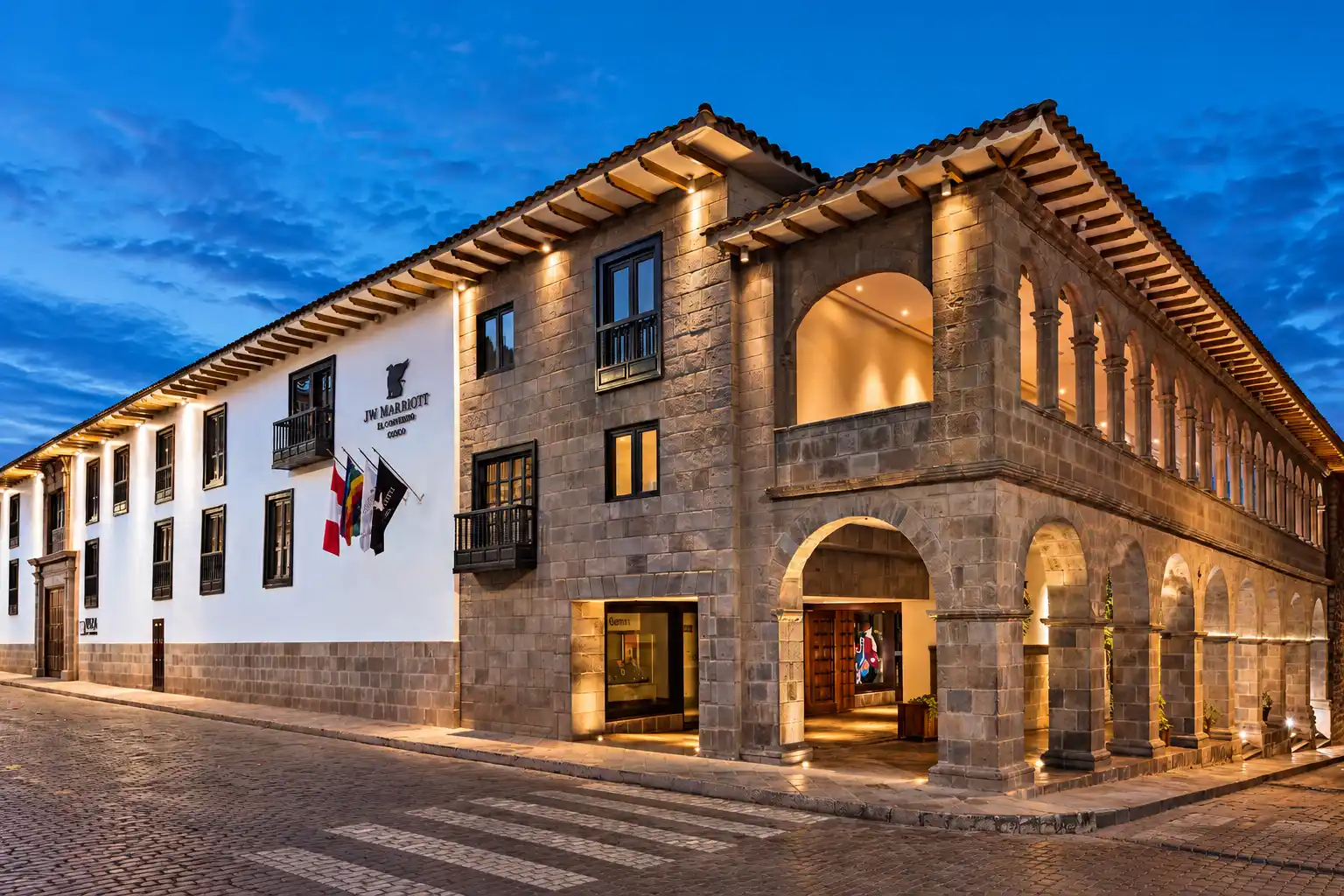
San Blas
The bohemian artisan quarter climbing the hillside northeast of the Plaza, full of ateliers, cafes and boutique hotels with terrace views. It is the “coolest” neighborhood and a favorite for couples and photographers. The catch is the hills: it is roughly a 10 to 15 minute downhill walk to the Plaza and 20 to 25 minutes back up, on narrow Inca-width lanes that taxis struggle to enter and that turn slick in the rainy season. Wonderful if you are reasonably fit and staying a few days; hard work on arrival day or with heavy bags. Boutique picks up here include Antigua Casona San Blas, Tika Wasi Casa Boutique and Hotel Boutique Tandapata, all restored colonial houses with rooftop terraces over the city.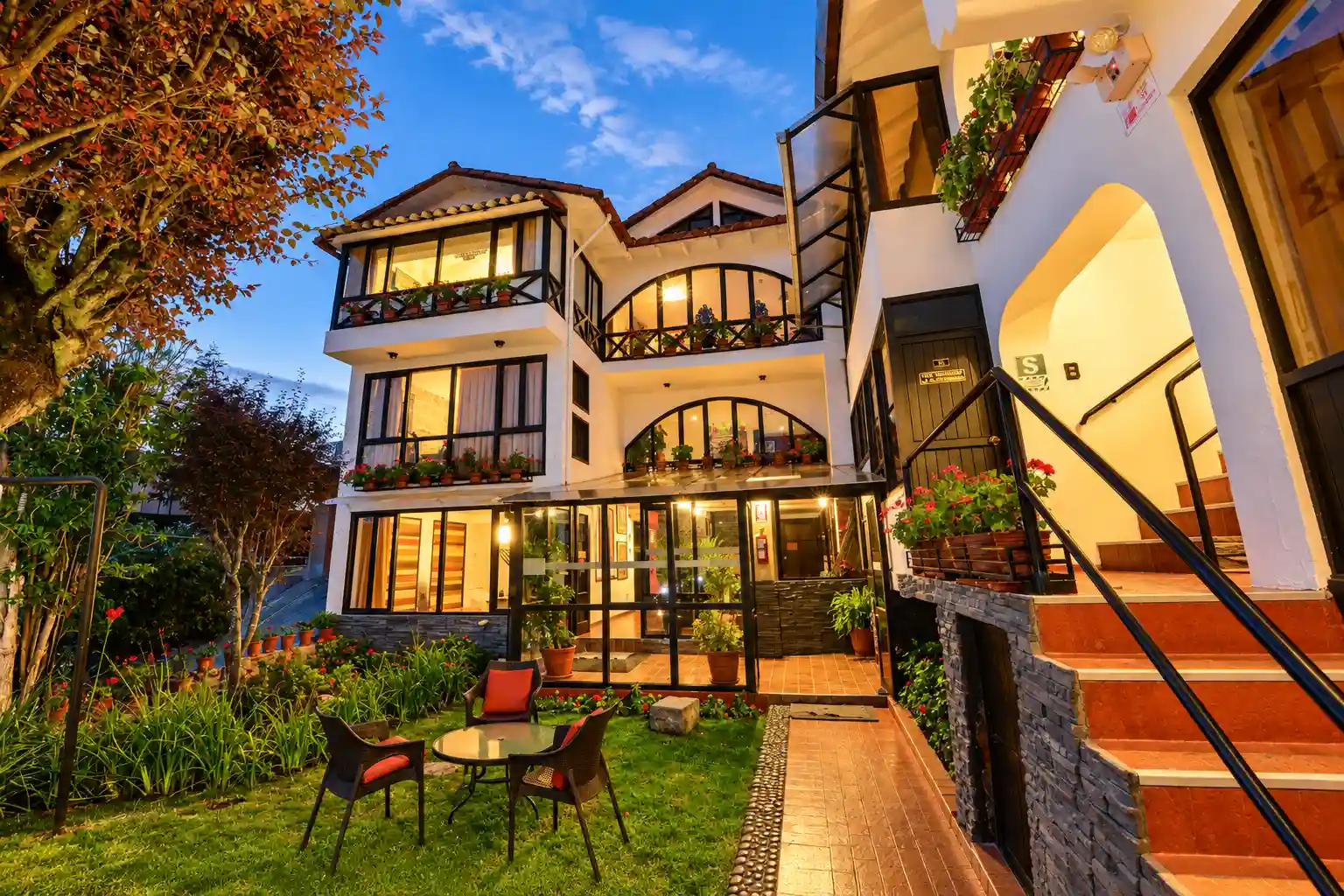
San Cristobal and upper San Blas
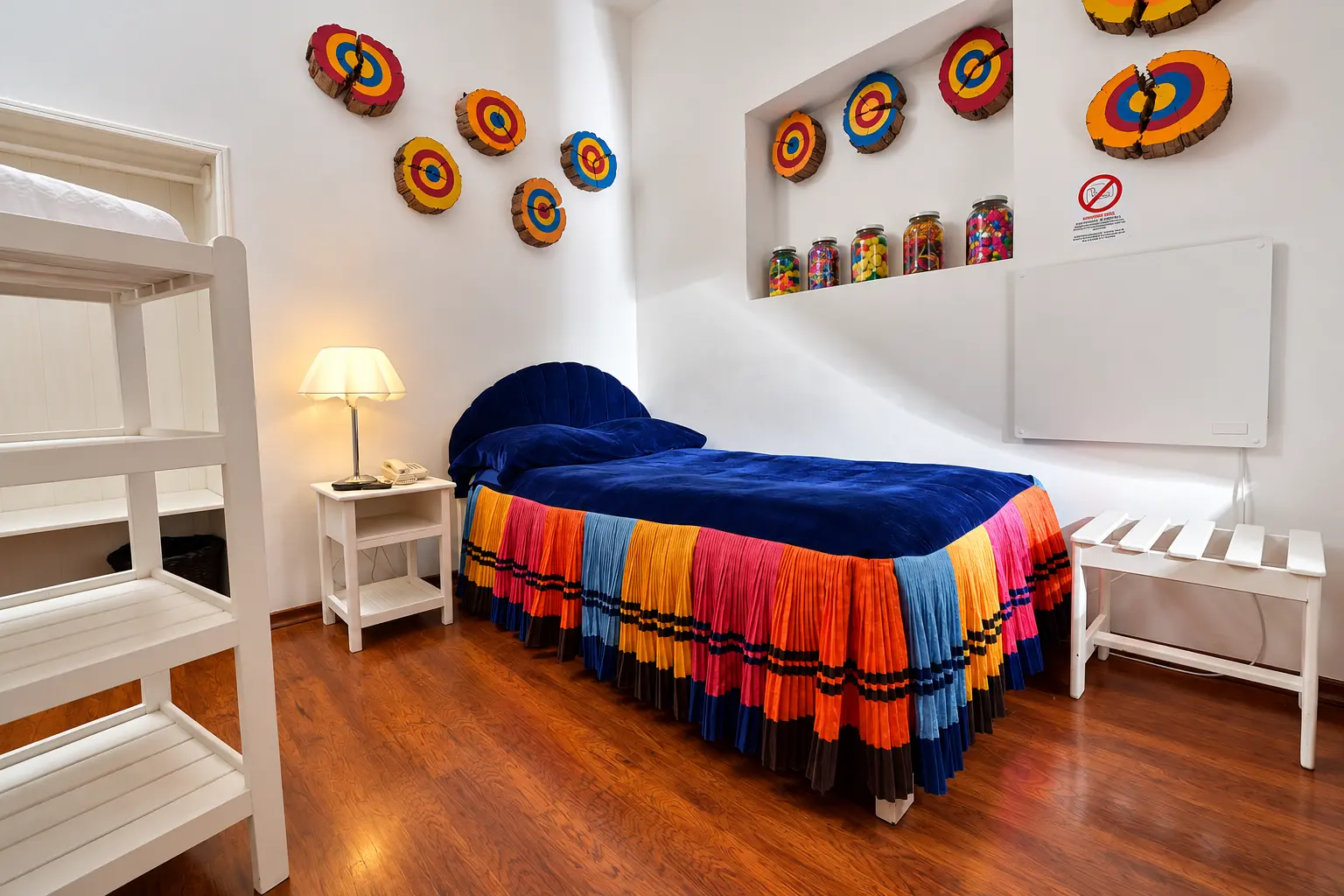
Higher still, toward Sacsayhuaman, with dramatic balcony panoramas and sunsets over the city. You trade convenience for stairs, and taxis drop you at the nearest accessible corner. Slightly cheaper than the Centro, and a good pick for fit travelers who value quiet nights and views over being steps from the Plaza. Hotel Arqueologo, set on its own Inca terraces with gardens overlooking the city, and the boutique Casa Cristobal are two of the better-known names up here.
San Pedro
The area around the covered market, west of the Plaza and roughly a seven minute walk from it. This is budget-guesthouse territory, handy for early trains and buses and for the market’s famous juice stalls. It is quieter and less lit after dark, so use the main avenues or a taxi late at night. A solid choice for budget travelers and early risers. Central Market Hotel San Pedro and Estancia San Pedro Hotel are both well-reviewed options right by the market stalls and the train station, a few minutes on foot from the Plaza.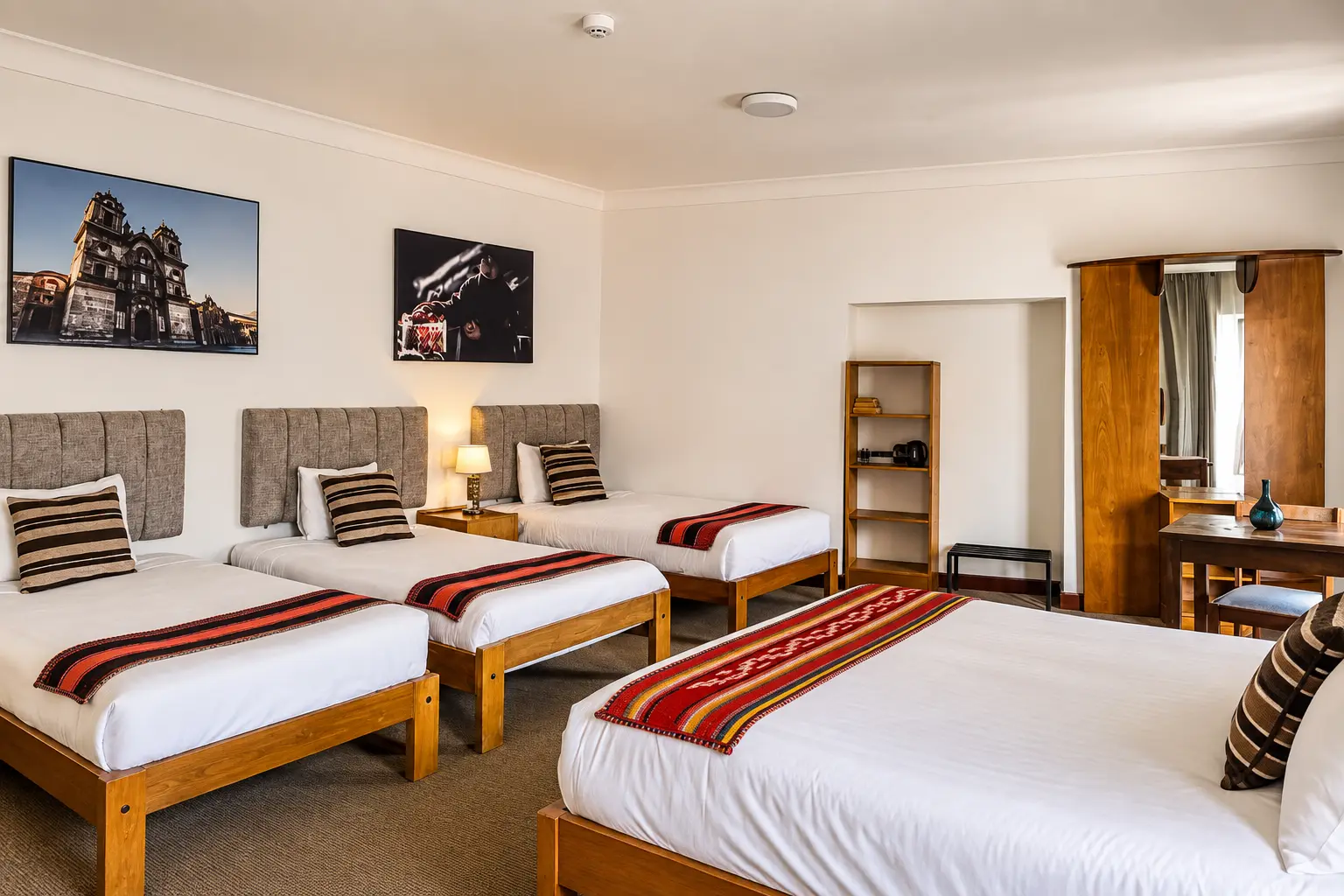
Santa Ana and Lucrepata
Two quieter pockets on the ridges above the center. Santa Ana, on the western slope, is steep but rewards you with views. Lucrepata, next to San Blas, is repeatedly cited as calmer and cheaper, and it suits families and couples on longer stays. Both mean more walking and climbing in exchange for local atmosphere and lower rates. In Lucrepata, Muru Homely Hotel is the area’s best-reviewed proper hotel: a quiet, multi-floor property with a rooftop restaurant overlooking the city, well away from the noise of the center.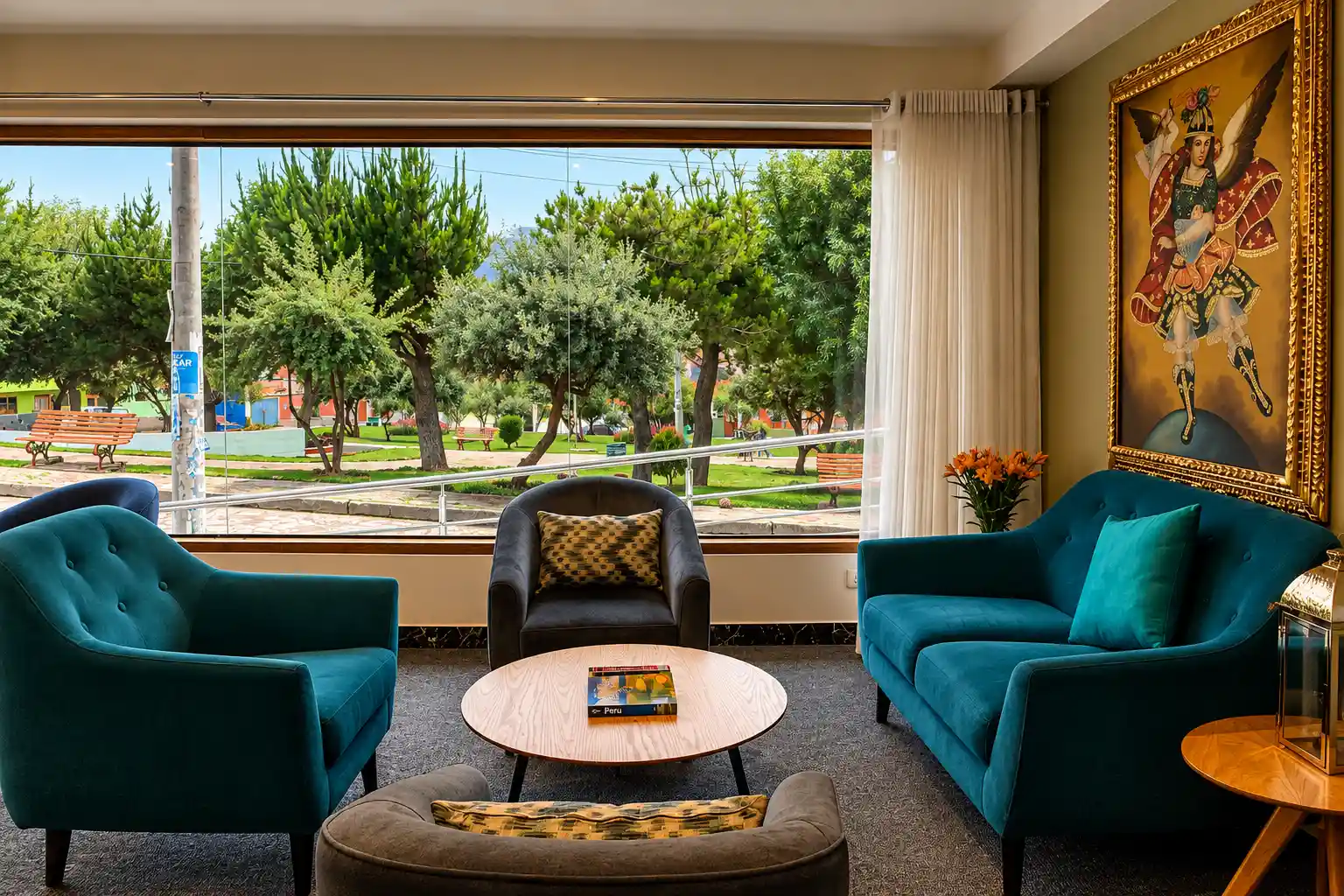
Wanchaq and Recoleta
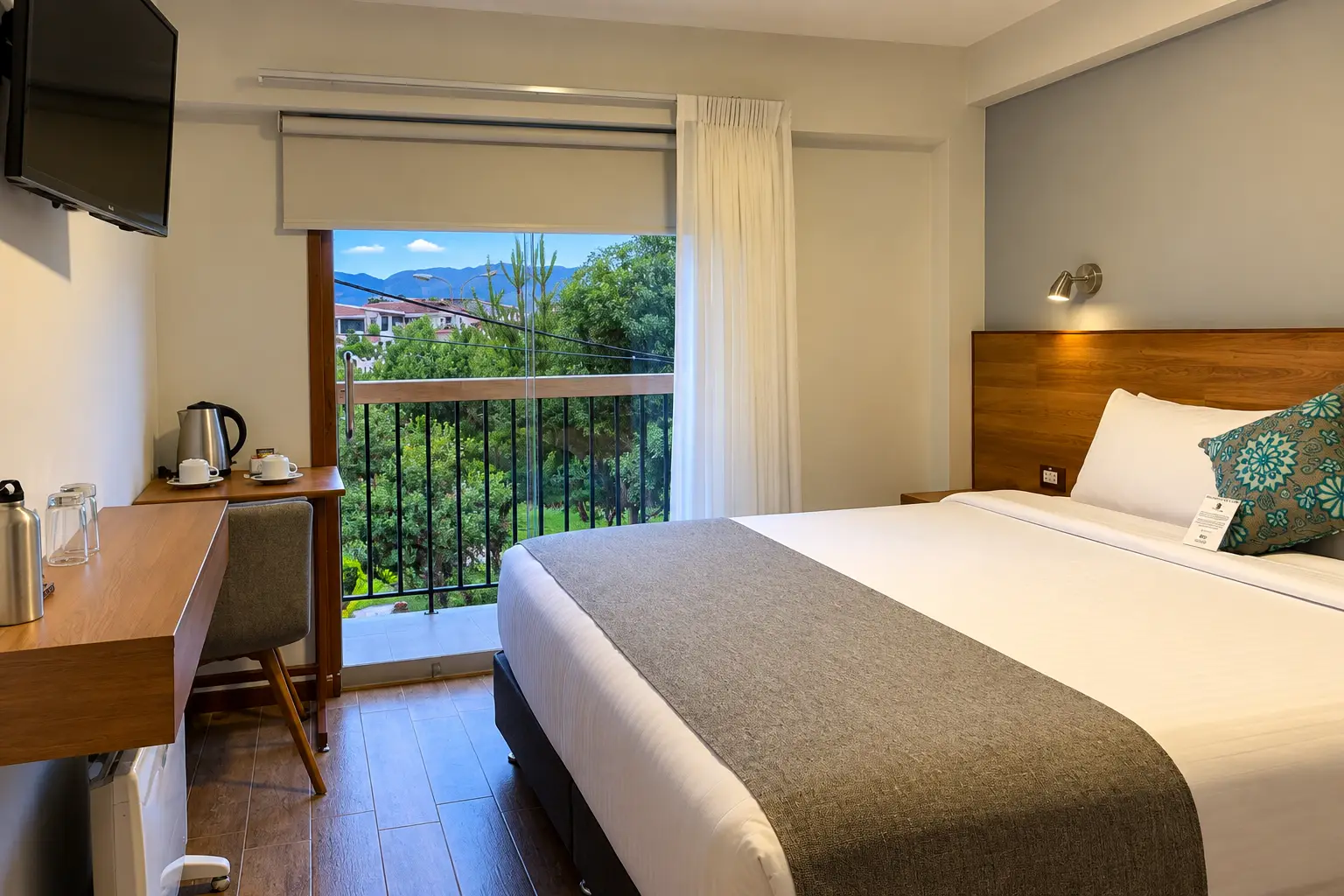
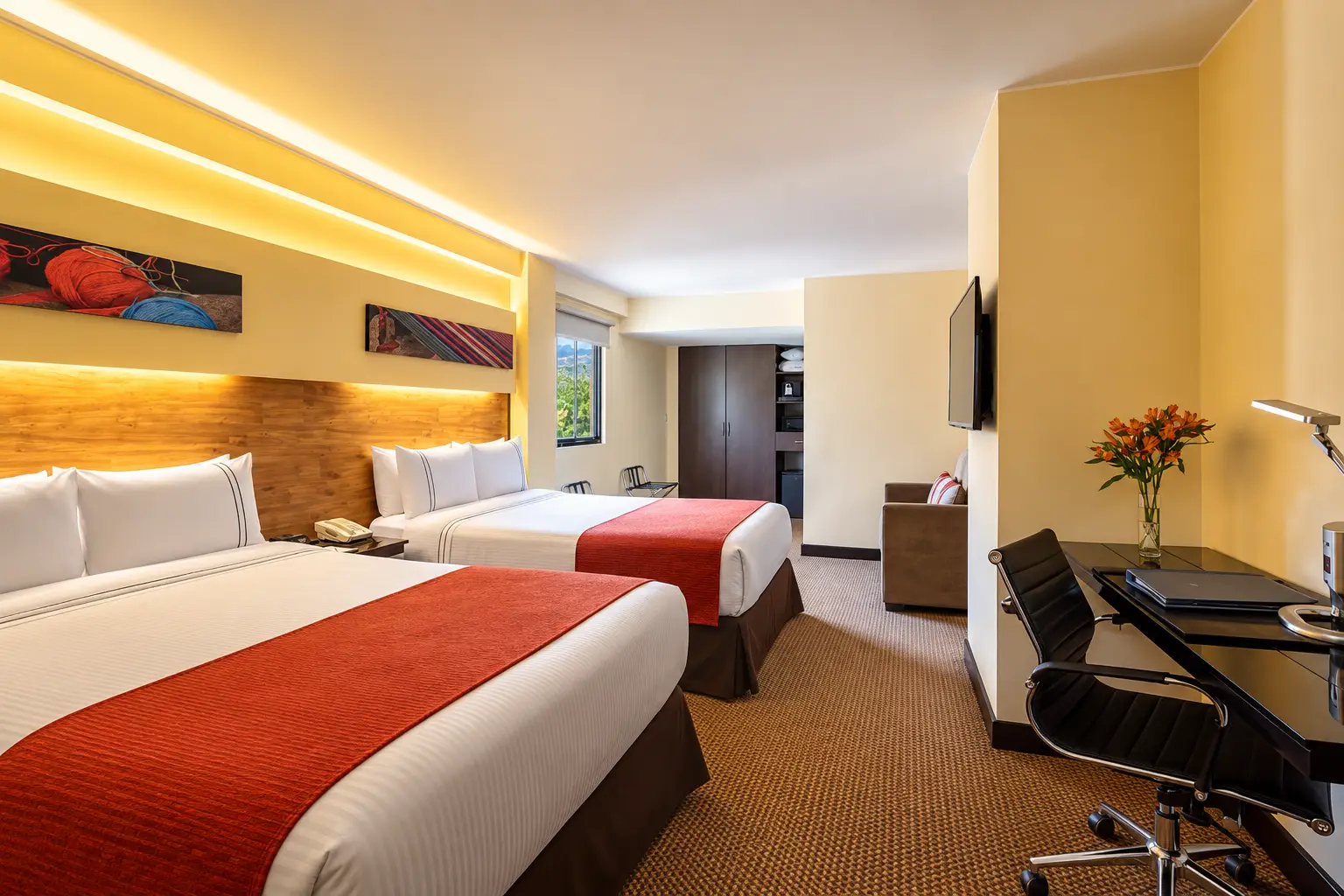
Residential districts east of the center with wide, flat avenues and quick access to the city’s main clinics. It is a good place to “exhale” after a trek, and a smart pick for light sleepers or anyone who wants a medical safety net while acclimatizing. Reckon on a 5 to 10 minute taxi to the Plaza, with lower rates than the historic core. Sonesta Hotel Cusco and San Agustin El Dorado are two of the larger, more business-oriented properties based here.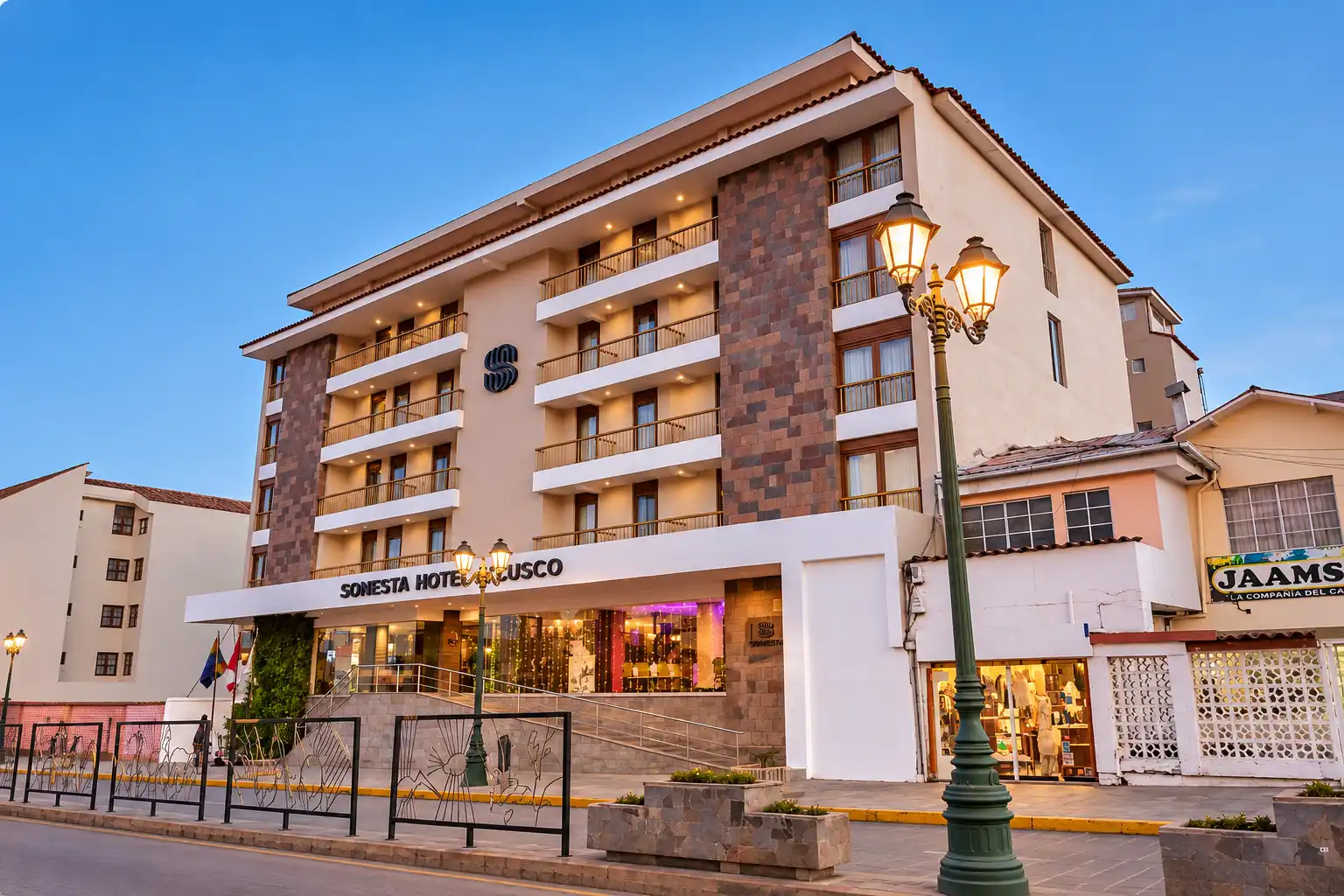
Avenida El Sol corridor
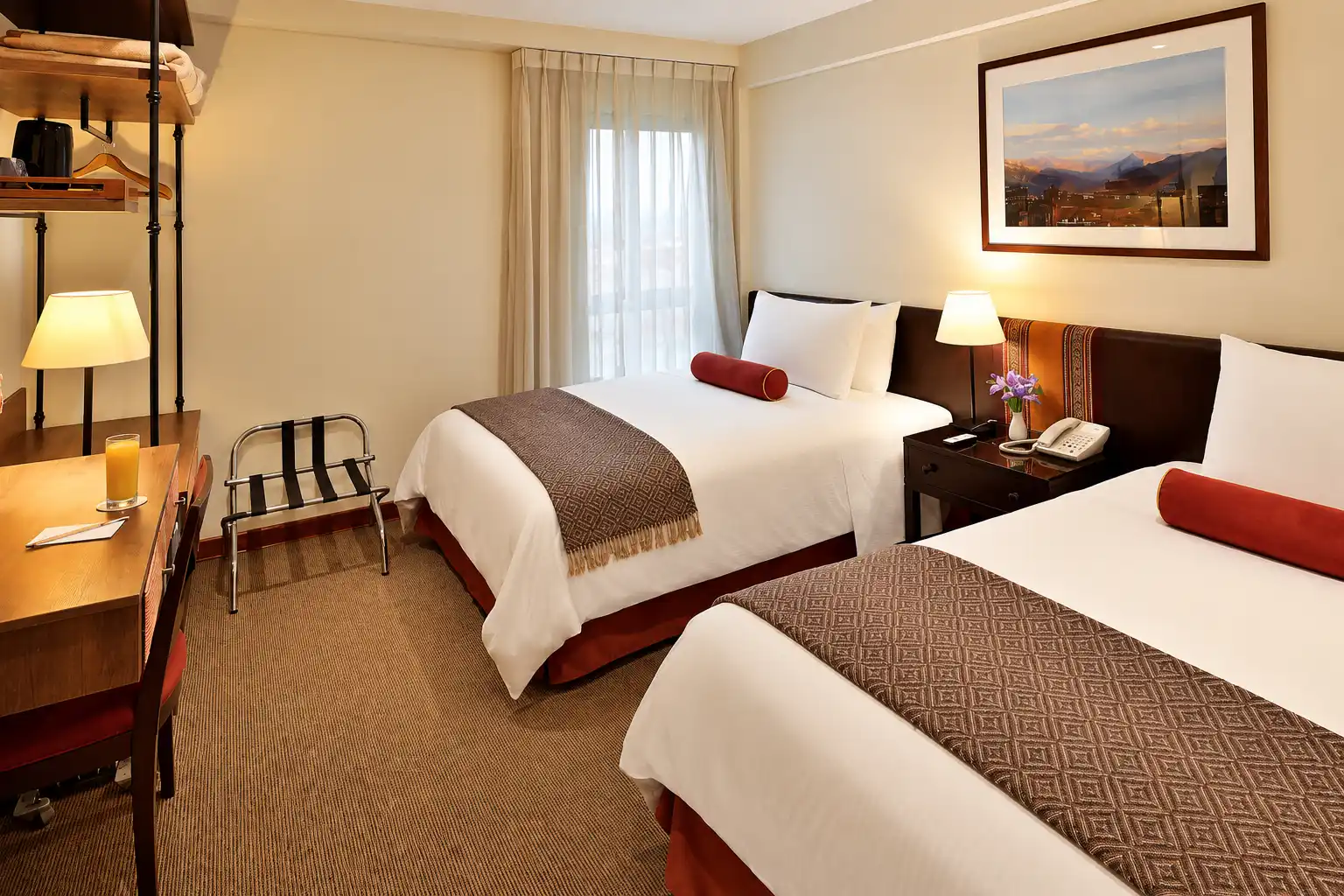
The flat commercial avenue running down from the Plaza, lined with banks, services and some larger hotels. Walks are level and pickups are easy, which is why some travelers sleep here on their first night, then move up to San Blas once they have acclimatized. Hotel Sol del Oriente and LP Los Portales Hotel Cusco sit right on the avenue with easy vehicle access for luggage and pickups.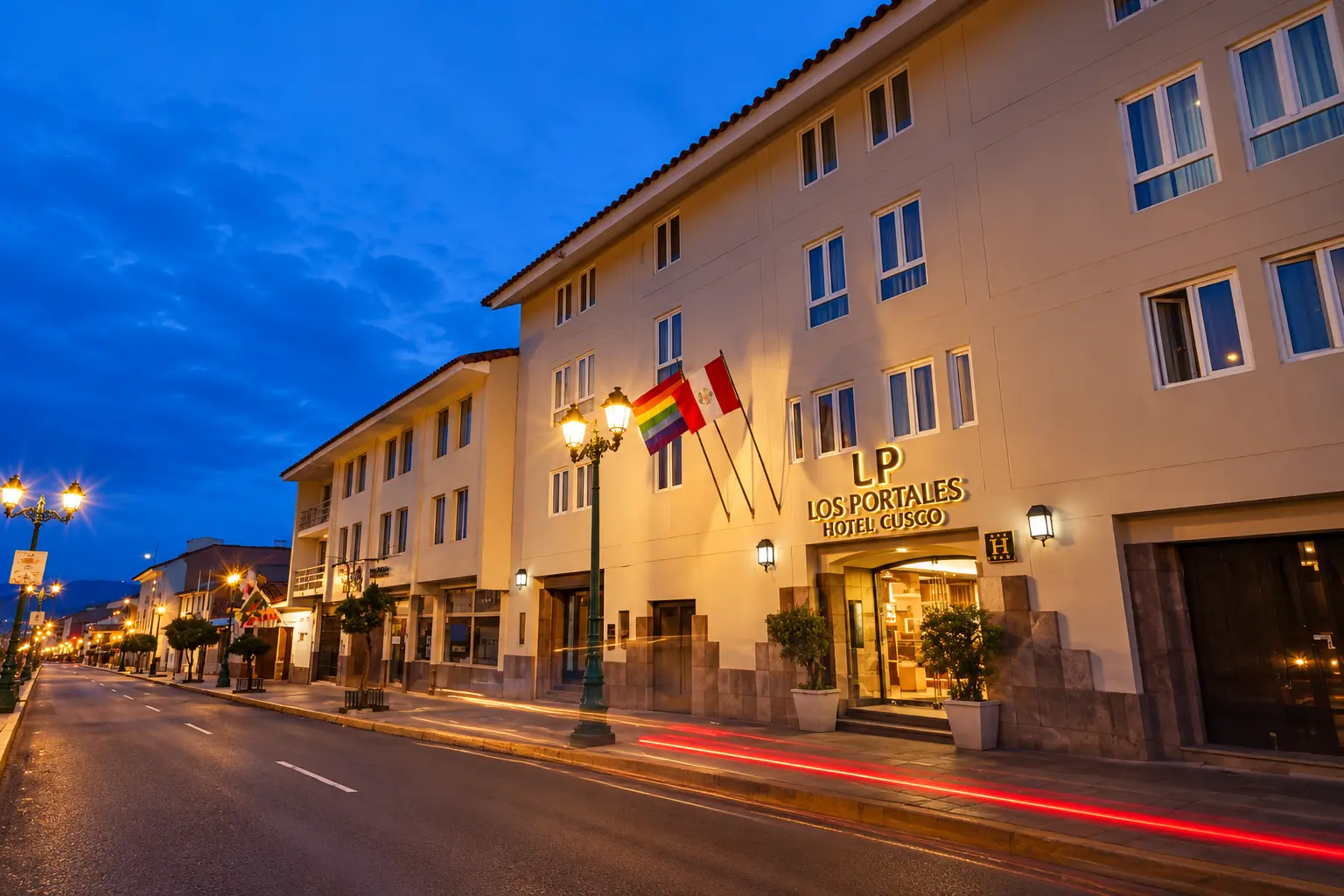
Cusco or the Sacred Valley? How to Beat the Altitude
This is the single most useful decision in this guide, and the one most articles skip. Because Cusco is so high, medical guidance (including the CDC Yellow Book and the Wilderness Medical Society) points to a simple, protective idea: sleep lower before you go higher. The Sacred Valley towns are meaningfully lower than Cusco, which makes them the ideal soft landing.
| Place | Elevation | Note |
|---|---|---|
| Cusco | 3,399 m / 11,152 ft | Altitude hits hardest on arrival day |
| Urubamba | 2,871 m / 9,416 ft | Warmest, gentlest base in the valley |
| Ollantaytambo | 2,792 m / 9,160 ft | Lowest, and next to the Machu Picchu train |
| Pisac | 2,972 m / 9,750 ft | Lower than Cusco, famous market |
| Chinchero | 3,762 m / 12,343 ft | HIGHER than Cusco, not a place to acclimatize |
Stay in the Sacred Valley first if you are over 60, traveling with children, prone to altitude sickness, or simply want a calmer, warmer landing with easy access to Ollantaytambo’s train and gated resorts that keep oxygen on hand. The downside is that you are 60 to 90 minutes from the city and its dining and nightlife, and you will transfer in for city tours.
Stay in Cusco first if you want to be at the heart of the sights, restaurants and tour logistics, and you are comfortable taking a very gentle first day to adjust.
The approach we most often recommend is the reverse itinerary: start in the Sacred Valley, visit Machu Picchu, and save Cusco for the end of the trip. It is a more gradual ascent that works with your body rather than against it, and it lines up neatly with a Sacred Valley tour and a Sacred Valley and Machu Picchu trip. One caution: Chinchero and Maras or Moray sit at or above Cusco’s altitude, so they do not count as sleeping “lower.”
Price Tiers and What You Actually Get (2026)
Cusco has beds at every budget. Treat these as ranges rather than fixed figures, since rates swing widely by season and the aggregator averages disagree. Peak dry season (June to August) can run 40 to 60 percent above the shoulder months, while the rainy season (November to March) brings the deepest discounts.
| Tier | Nightly (USD, 2026) | What you get |
|---|---|---|
| Hostel dorm | $10 to $20 | Dorm bed, shared spaces, luggage storage, coca tea |
| Hostel private | $20 to $45 | Private room in a social property |
| Mid-range | $40 to $100 | Colonial-house hotel, private bath, breakfast, heating |
| Boutique | $60 to $150 | Restored colonial or Inca-wall property, design, terrace, service |
| Luxury | $150 to $450+ | Oxygen-enriched rooms, spa, historic pedigree, top service |
One practical note: foreigners staying fewer than 60 days are generally exempt from the country’s lodging VAT when they show a passport and entry record, so make sure your hotel applies it.
Notable Places to Stay, by Tier
These are illustrative examples to show what each tier looks like in Cusco, not endorsements or paid placements. Availability, ownership and quality change, so verify any specific property before you book.
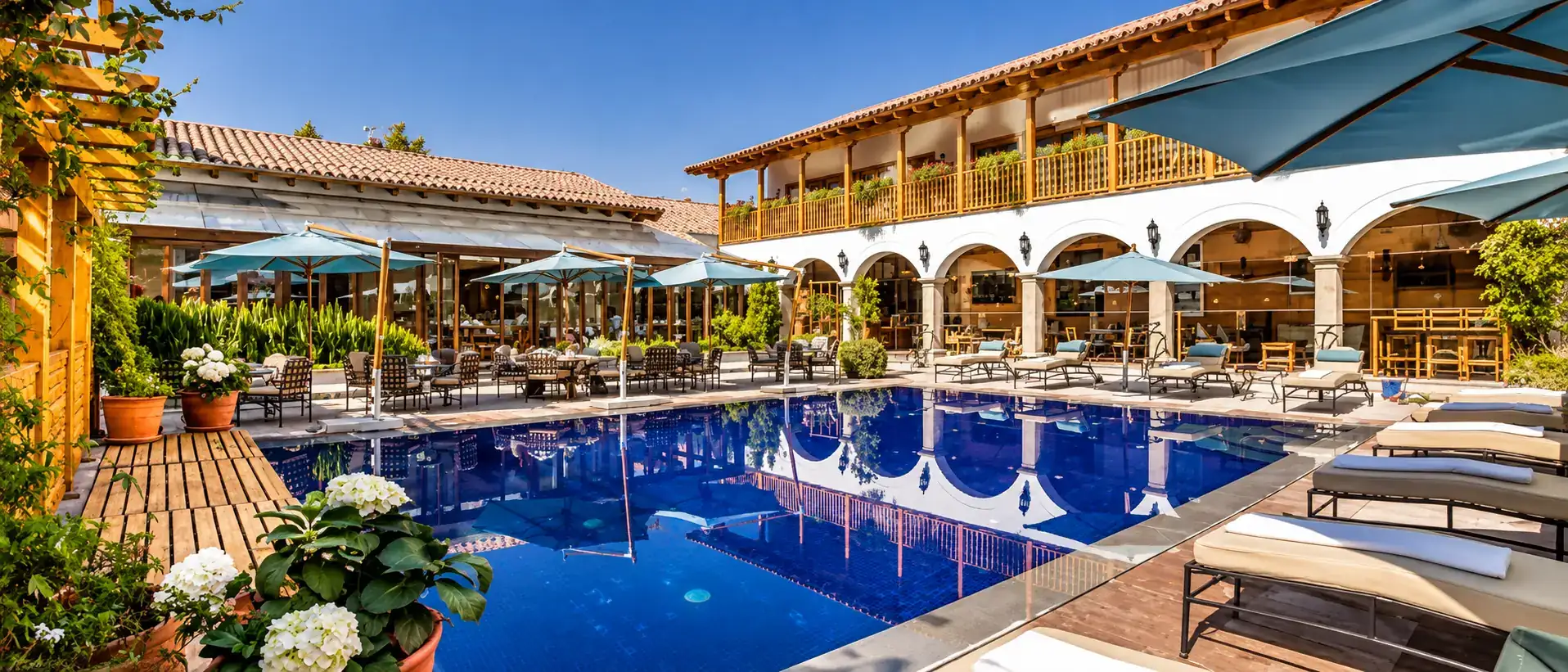
- Luxury and historic: the Belmond Monasterio (a 16th century monastery with piped oxygen), the all-suite Palacio Nazarenas with its heated pool, the JW Marriott El Convento in a restored convent by the Plaza, and the Palacio del Inka across from Qorikancha. In the Sacred Valley, Tambo del Inka in Urubamba has its own train station.
- Boutique and mid-range: restored colonial houses in San Blas such as Antigua Casona San Blas, plus dependable chains like Tierra Viva and Casa Andina with several central locations.
- Budget and hostels: well-known social hostels near the center such as Viajero, Pariwana and Wild Rover, with dorms from around $10 to $13.
Where to Stay by Itinerary
A 3-day Cusco trip: stay central near the Plaza, take a soft first day, and enjoy how walkable the core is. Two to four central nights is the sweet spot for a first visit and its day tours.
Sacred Valley plus Machu Picchu: use the reverse itinerary, sleeping in Urubamba or Ollantaytambo first, then Machu Picchu, then Cusco.
The Inca Trail: pickups near kilometer 82 are very early, so stay in central Cusco the night before, or in the Sacred Valley only if your operator picks up there. Store your main luggage at your Cusco hotel during the trek. Whether you choose the 4-day or 2-day route, this holds true.
The Salkantay trek: pickups run around 4 to 5 a.m. from Cusco hotels, so stay central the night before and leave your luggage in the city. The Sacred Valley is not a practical base for Salkantay.
Rainbow Mountain or Humantay day trips: these also start pre-dawn, so base yourself where a driver can actually reach your door and avoid stair-only alleys. See our Rainbow Mountain and Humantay Lake day trips.
The night before or after Machu Picchu: Aguas Calientes gets you the earliest citadel entry, while Ollantaytambo is a quieter, lower and well-placed alternative next to the train station.
Practical Booking Intel
When to book: for the June to August peak, reserve popular hotels four to six weeks out, and three or more months ahead for Inti Raymi week (the festival falls on June 24). Off-season, about a month is usually enough.
Oxygen in hotels: the luxury tier and Sacred Valley five-stars offer oxygen-enriched rooms or oxygen at the front desk. Mid-range hotels typically have coca or muna tea and can arrange oxygen on request, and pharmacies sell portable canisters. Remember that oxygen relieves symptoms; it does not prevent altitude sickness.
Airport transfers: flights still land at Alejandro Velasco Astete (CUZ), about 15 to 30 minutes from the historic center. The single most common local scam is the “pirate taxi” from the arrivals hall, so use an official counter taxi, a ride-hailing app, or a pre-arranged private transfer. The new Chinchero airport is not open; its timeline has slipped to late 2027 or early 2028, and it sits higher than Cusco, so plan around the current airport.
Noise: the Plaza, Procuradores (“Gringo Alley”) and Tecsecocha are the nightlife streets, and even quiet central hotels see 4 to 6 a.m. tour-pickup activity. Courtyard rooms help.
Safety: Peru carries a Level 2 “exercise increased caution” advisory, but Cusco, the Sacred Valley, the Inca Trail and Machu Picchu are explicitly outside the country’s do-not-travel zones. Watch for pickpocketing in crowded squares at night, agree taxi fares in soles in advance, and be aware that occasional protests or strikes can disrupt roads and trains without much warning, so build in a buffer day around tight connections.
Frequently Asked Questions
Is Cusco safe to stay in?
Yes, generally. It is Peru’s tourism capital, with a strong Tourist Police presence in central areas. Take standard precautions against pickpocketing in crowds and use vetted or app-based taxis, especially at night.
What is the best area for first-timers?
The Historic Center around the Plaza de Armas. It is flat, walkable to the main sights, and where almost all tours pick up.
Should I stay in Cusco or the Sacred Valley?
For beating altitude, the lower Sacred Valley is better for your first nights. For sights, dining and tour logistics, Cusco wins. Many travelers do the valley first and Cusco last.
Is San Blas worth the hills?
Yes if you are reasonably fit and want character and views. It is not ideal on arrival day, with heavy luggage, or if you have mobility concerns, because of the steep cobbled climbs at altitude.
How many nights should I spend in Cusco?
Give yourself at least one easy day before any strenuous hike if you are flying in from sea level. A common split is three to four nights across the city and the valley.
Do I need a hotel with oxygen?
It is reassuring rather than essential. Luxury and Sacred Valley properties provide it, but remember oxygen eases symptoms and does not prevent altitude sickness. Acclimatizing gradually matters more.
Where is best for nightlife versus quiet?
Nightlife clusters around the Plaza, Procuradores and Tecsecocha. For quiet, look to Wanchaq, upper San Blas or Lucrepata.