
The Short Answer
Is Cusco safe? Yes, generally, for tourists. It is one of the most heavily touristed and well policed cities in the Andes, and the vast majority of visitors have no trouble at all. The single biggest risk is not crime, it is altitude. Cusco sits at 3,399 meters (11,152 ft), and about half of visitors feel some altitude sickness in their first two days.
Beyond that, the real concerns are petty theft such as pickpocketing, the occasional strike that can disrupt travel, and a few taxi and nightlife scams that are easy to sidestep. Violent crime against tourists is rare. This honest guide walks through each real risk and exactly how to handle it, and if you are planning your trip our Cusco day tours are run by licensed local guides who know the ground.
One reassuring fact up front: the major government travel advisories rate Peru at the same level as France or Italy, and they state plainly that Cusco, the Sacred Valley, the Inca Trail and Machu Picchu are not in any restricted zone.
Is Cusco Safe Right Now? Travel Advisories at a Glance
No major government singles out Cusco for a warning. The restricted areas in Peru are remote regions far from the tourist corridor. Here is where the four main advisories stood at the time of writing. Always check the current version before you travel, because these can change.
| Government | Level | What it means for Cusco |
|---|---|---|
| US State Department | Level 2: Exercise Increased Caution | The same tier as France and Italy. Its highest level applies only to the remote VRAEM region and the Colombia border. It states that Cusco, the Sacred Valley, the Inca Trail and Machu Picchu are not in the affected area. |
| UK FCDO | No warning for Cusco | Advises against travel only to the Colombia border area and the VRAEM. |
| Canada | High degree of caution (country wide) | For general crime and occasional strikes, not a Cusco specific alert. |
| Australia | High degree of caution (country wide) | Notes that past protests have disrupted transport to Machu Picchu. |
For perspective, Peru’s homicide rate is around 6 per 100,000 people, among the lowest in Latin America and far below neighbors such as Ecuador. Cusco’s dense tourist policing around the main square is a genuine advantage.
Altitude Sickness: The Real Number One Risk
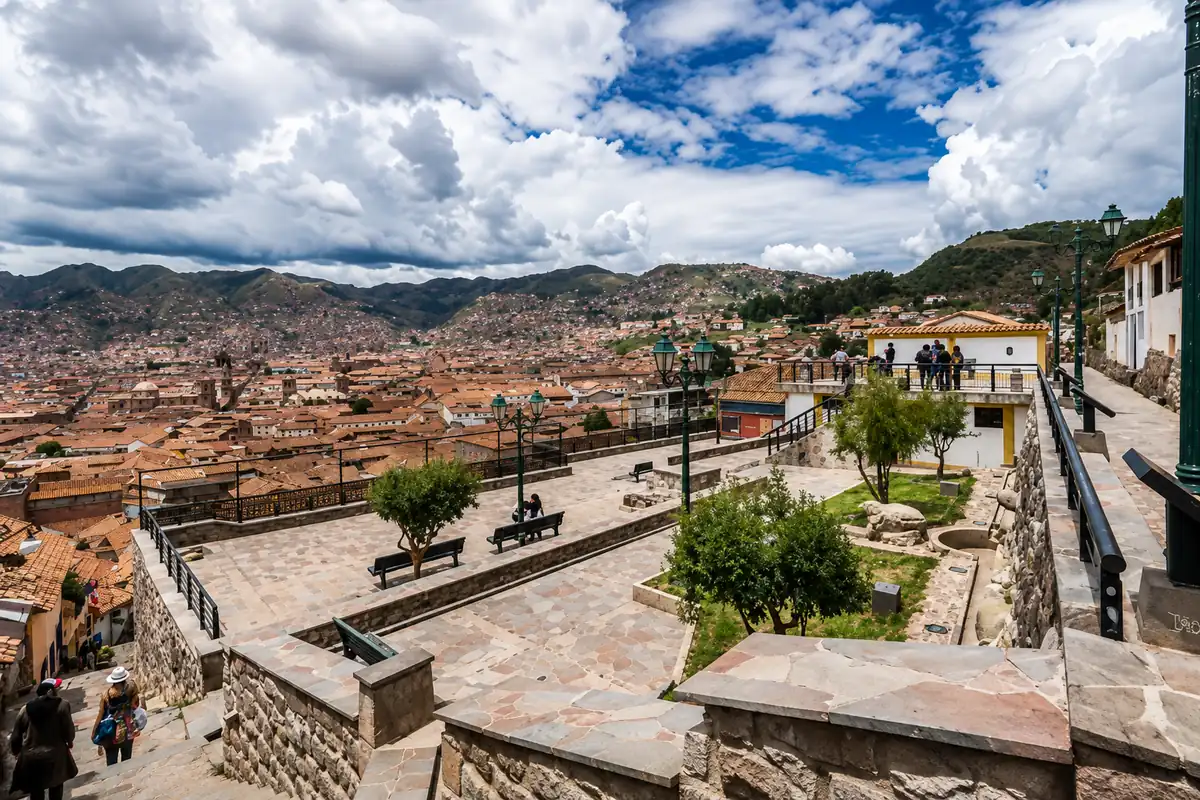
If something is going to affect your trip to Cusco, it is far more likely to be the thin air than a thief. Cusco sits at 3,399 meters (11,152 ft). According to the US Centers for Disease Control and Prevention, altitude sickness, known locally as soroche, affects close to half of travelers during their first 48 hours at this elevation. It is usually mild, and it strikes regardless of age or fitness, so being athletic does not protect you.
A key detail most people get backwards: Machu Picchu, at 2,430 meters, is about 1,000 meters lower than Cusco. The city itself is the real altitude challenge, not the citadel. Higher day trips like Rainbow Mountain (above 5,000 meters) and Humantay Lake (4,200 meters) demand real acclimatization first.
How to prevent it
- Ascend gradually and rest on arrival. Take the first day very easy. Do not fly into Cusco and climb a mountain the same afternoon.
- Sleep lower for the first night or two. The CDC specifically suggests spending your first nights in the Sacred Valley, in Urubamba (2,870 meters) or Ollantaytambo (about 2,790 meters), which are noticeably lower than Cusco.
- Hydrate and skip alcohol for the first 48 hours. Alcohol hits harder at altitude and worsens dehydration.
- Consider acetazolamide (Diamox). The CDC recommends it for rapid ascent, typically 125 mg twice a day starting about a day before you arrive. Talk to your doctor first, especially with a sulfa allergy or in pregnancy.
- Coca tea is fine, but do not rely on it. It is a pleasant local custom, but medical guidelines say it is not a proven prevention. Use the measures above instead.

When altitude becomes an emergency
Mild soroche means headache, nausea, fatigue and poor sleep. Rarely, altitude illness turns serious. Warning signs are breathlessness at rest with a persistent cough, or confusion, clumsiness and slurred speech. In those cases the treatment is simple and urgent: go down. Descending several hundred meters usually resolves it, and you should seek medical help. Many Cusco hotels and clinics have oxygen on hand.
Crime and Scams: What Is Actually Common
Petty theft (common, low severity)
The most likely problem you will face is pickpocketing or a snatched phone. Hotspots are the San Pedro Market, the crowds around the Plaza de Armas, buses and terminals, and busy nightlife streets. The fix is basic and effective: wear a crossbody bag on your front in crowds, keep your phone out of sight, and never hang a bag on the back of a cafe chair.
Taxis and express kidnapping (rare but serious)
The one risk worth taking seriously is hailing random taxis on the street, especially at night. In rare cases, criminals posing as drivers rob passengers or force an ATM withdrawal, a scheme known as express kidnapping. The simple defense is to never flag a street taxi. Use a ride hailing app such as Uber, Cabify or InDrive, which all operate in Cusco, or have your hotel or tour operator arrange a car.
Common scams to shrug off
- Fake agencies and street tour sellers pushing cheap Machu Picchu tickets or train tickets. Book through a registered operator or your hotel.
- Fake police asking to inspect your wallet or money. Real Peruvian police do not do this.
- Money tricks: short changing and counterfeit notes. Change money at established exchange houses, not with people on the street.
- Drink spiking has been reported in bars near the Plaza de Armas. Watch your drink and do not leave it unattended.
Protests and Strikes: How They Affect Your Trip
So, is Cusco safe during a protest or strike? Usually yes for your personal safety, though your travel logistics may take a hit. Peru has a strong protest culture, and strikes, known as paros, can block roads, close the Cusco airport, and briefly halt the trains to Machu Picchu, sometimes with little warning. This is about logistics, not danger to tourists, but it can cost you a day.
There was genuine political tension around the 2026 elections, but the drawn out vote count over several weeks took much of the heat out of it, and the mood cooled considerably once the new government settled in. Some tension remains, yet the day to day risk to travelers is lower than the headlines suggest. Conditions can still shift, so a quick check before you go is all it takes.
This section is time sensitive. Before you travel, check the current situation and plan for it:
- Follow local news (RPP, El Comercio, La Republica) and your government’s travel alerts.
- Build one or two buffer days into your itinerary before any international flight home.
- Choose flexible or refundable train and flight tickets where possible.
- Buy travel insurance that covers trip disruption and cancellation.
- Book with a local operator that monitors conditions in real time and can rearrange your plans.
Food, Water and Health
Is Cusco safe to eat and drink in? With a few basic precautions, yes. Do not drink the tap water in Cusco. Stick to bottled or filtered water, avoid ice from unknown sources, and be cautious with raw salads and unpeeled fruit. Many hotels and hostels have refill stations with safe water.
Travelers’ diarrhea is the most common ailment. Favor food that is freshly cooked and served hot, and choose busy places with high turnover. For vaccines, most travelers are advised to be current on routine shots plus hepatitis A, and often typhoid. Yellow fever is not needed for Cusco, Machu Picchu or the Inca Trail; it only applies to Amazon jungle areas. Confirm with a travel clinic four to six weeks before departure.
Finally, get travel insurance that covers medical evacuation. Clinics in Peru often require payment upfront, even in emergencies, and evacuation matters at altitude and on remote treks.
Neighborhoods, Solo and LGBTQ+ Travelers
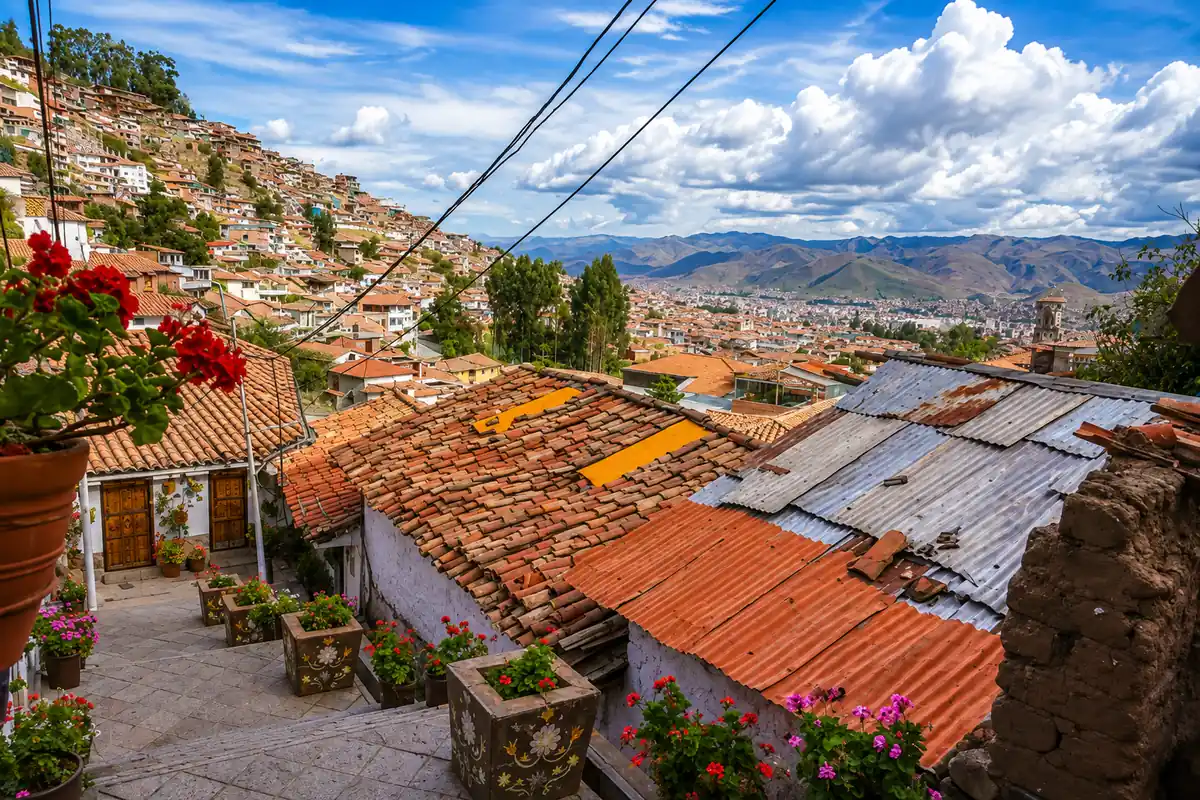
The historic center around the Plaza de Armas and the artsy San Blas district are safe and well patrolled by day. Take normal care at night: stick to well lit, busy streets, and be mindful on the steep, dim stairways of San Blas and around the San Pedro Market after dark. Take a booked or app taxi home from a night out.
Solo female travelers: Cusco is Peru’s most popular solo female destination, and thousands visit safely every year. Expect some catcalling. Keep valuables hidden, use ride hailing apps at night, book tours through your accommodation, and watch your drink in nightlife near the main square.
LGBTQ+ travelers: same sex relationships are legal in Peru, and Cusco’s tourist center is relatively tolerant, though the country is socially conservative and the rural Sacred Valley more traditional. Discretion with public displays of affection is sensible outside the main tourist areas.
How Cusco Compares to Lima and the Region
Is Cusco safe compared to Lima? On the ground, yes: Cusco feels safer than Lima, which has higher violent crime and, in mid 2026, a state of emergency in the capital and its port of Callao. Cusco’s risk profile is dominated by opportunistic theft and altitude, not violence. Compared with other Andean hubs and much of the region, Peru sits among the lower homicide countries, and Cusco’s heavy tourist policing makes the core reassuringly secure. The honest framing is simple: Cusco is not a war zone, but it is not a place to be careless with your phone either.
Emergency Contacts and Practical Tips
- Police: 105. Fire: 116. Ambulance (SAMU): 106.
- Tourist Police (POLTUR) operate in Cusco for issues affecting visitors.
- iPeru, the official tourist assistance service, has desks in Cusco (Plaza de Armas and the airport) and a 24 hour line at (01) 574-8000, plus WhatsApp at 944 492 314.
- ATMs: use machines inside banks or malls by day, cover your PIN, and decline the offer to be charged in your home currency.
- Airport: pre book a transfer or use an app rather than accepting rides from touts.
- Valuables: keep your passport in the hotel safe and carry a photocopy.
Frequently Asked Questions
Is Cusco safe for tourists?
Yes. Cusco is one of the safest and most heavily touristed cities in the Andes, with a strong tourist police presence around the Plaza de Armas. Violent crime against visitors is rare. The main risks are altitude sickness and petty theft like pickpocketing, so stay alert in crowds and use booked taxis.
Is Cusco safe at night?
Generally yes in the well lit tourist core, but take precautions. Avoid quiet streets, the dark stairways of San Blas, and the San Pedro Market area after dark. Use Uber, Cabify or InDrive instead of hailing street taxis, and keep an eye on your drink in bars.
Is Cusco safe for solo female travelers?
Yes. It is Peru’s most popular solo female destination, and thousands visit safely each year. Expect some catcalling. Keep valuables hidden, use ride hailing apps at night, book tours through your hotel, and be cautious with drinks in nightlife near the main square.
What is the biggest danger in Cusco?
Altitude, not crime. Cusco sits at 3,399 meters, and about half of visitors feel some soroche in the first 48 hours. Ascend gradually, rest on arrival, skip alcohol, stay hydrated, and consider acetazolamide (Diamox) after talking to a doctor.
Is it safe to drink the water in Cusco?
No. Cusco’s tap water is not potable. Drink bottled or filtered water, avoid ice from unknown sources, and be careful with raw salads and unpeeled fruit.
Are there protests in Cusco right now?
Peru has frequent strikes and protests that can block roads and briefly halt trains to Machu Picchu, often with little warning, and the situation changes constantly. Check current local news and your government’s travel alerts, and build buffer days into your itinerary.