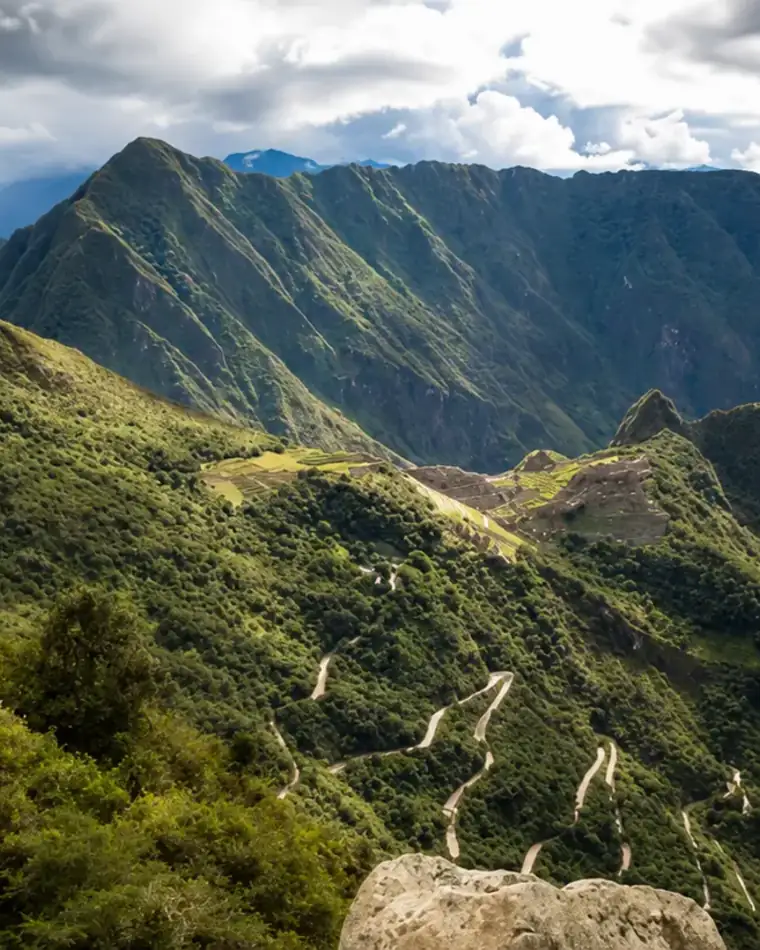

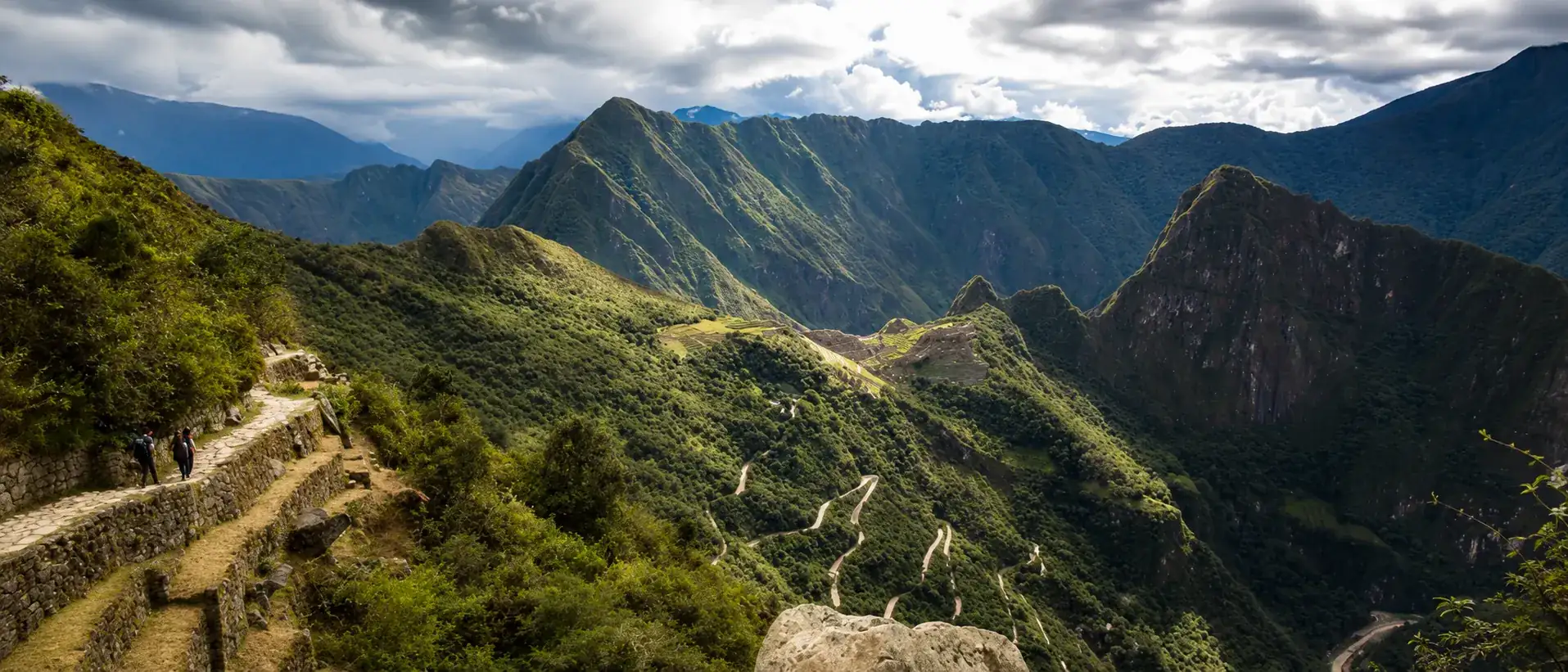
What Path Leads to the Citadel of Machu Picchu?
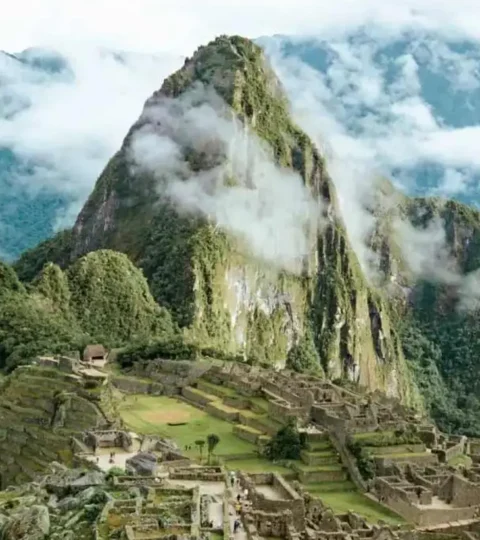
So what path leads to the citadel of Machu Picchu? Honestly, there isn’t just one. Trekkers reach it on foot via the legendary Inca Trail, the high altitude Salkantay Trek, or the remote Choquequirao Trek. Travelers short on time (or stamina) arrive by direct train, and those on a tighter budget drive overland to Hidroeléctrica and walk the final stretch, with a limited train as an optional add-on. All five converge at Aguas Calientes, the small town at the foot of the mountain, before the final climb to the citadel gates.
Which one is right for you depends on how many days you have, how fit you are, and how close to the ruins you want to walk in on your own two feet.
Below we break down every route in detail: distances, permits, prices, and the one factor most guides won’t mention until it’s too late to change your plans. If you’d rather skip the research and let a local specialist match you to the right trip, that’s exactly what we do.
The 5 Routes at a Glance
- 🥾 Inca Trail Classic — The original Inca route, 4 days, limited daily permits, arrival through the Sun Gate.
- 🏔️ Salkantay Trek — The permit free alternative: 5 days, higher altitude, dramatic glacier scenery.
- 🏛️ Choquequirao Trek — For serious trekkers seeking solitude: a remote, multi day journey past Machu Picchu's "sister city."
- 🚂 Direct Train — The fastest way in: under 4 hours, zero hiking required.
- 🚐 By Car via Hidroeléctrica (+ Optional Train) — The budget route: drive to Hidroeléctrica, then walk to Aguas Calientes. A single daily train exists, but it's hard to book.
The Inca Trail Classic: The Original Route
The Classic Inca Trail is the only path that ends the way the Incas intended: climbing through the stone gateway of Inti Punku (the Sun Gate) for your first look at the citadel below. It covers roughly 26 miles (42 km) over 4 days and 3 nights, starting near Ollantaytambo and crossing Warmiwañusca (Dead Woman’s Pass), the trek’s highest and toughest point at 4,215 m (13,828 ft), on day two.
Along the way you’ll pass Inca sites found on no other route: Llactapata, Runkurakay, Sayacmarca, and Wiñay Wayna, before the final approach to the Sun Gate at sunrise.
Short on time but still want that Sun Gate moment? A 2-day version exists too: train to KM 104, then a short hike along the final stretch of the same trail up to Inti Punku. It’s the same iconic arrival, condensed into a single afternoon. See our Inca Trail 2 Days option.
⚠️ Common Myth, Corrected
Most guides quote “500 spots a day, roughly 200 for tourists.” That split has no legal basis. Peru’s official regulation (Ministerial Resolution No. 000294-2025-MC) sets the limit at 500 users per day, total: trekkers, guides, porters, and cooks combined, with no separate tourist quota written into law. In practice, permits still sell out 4 to 6 months ahead in the June through September high season, so the takeaway for travelers doesn’t change. Book early.
Salkantay Trek: The Permit-Free Alternative
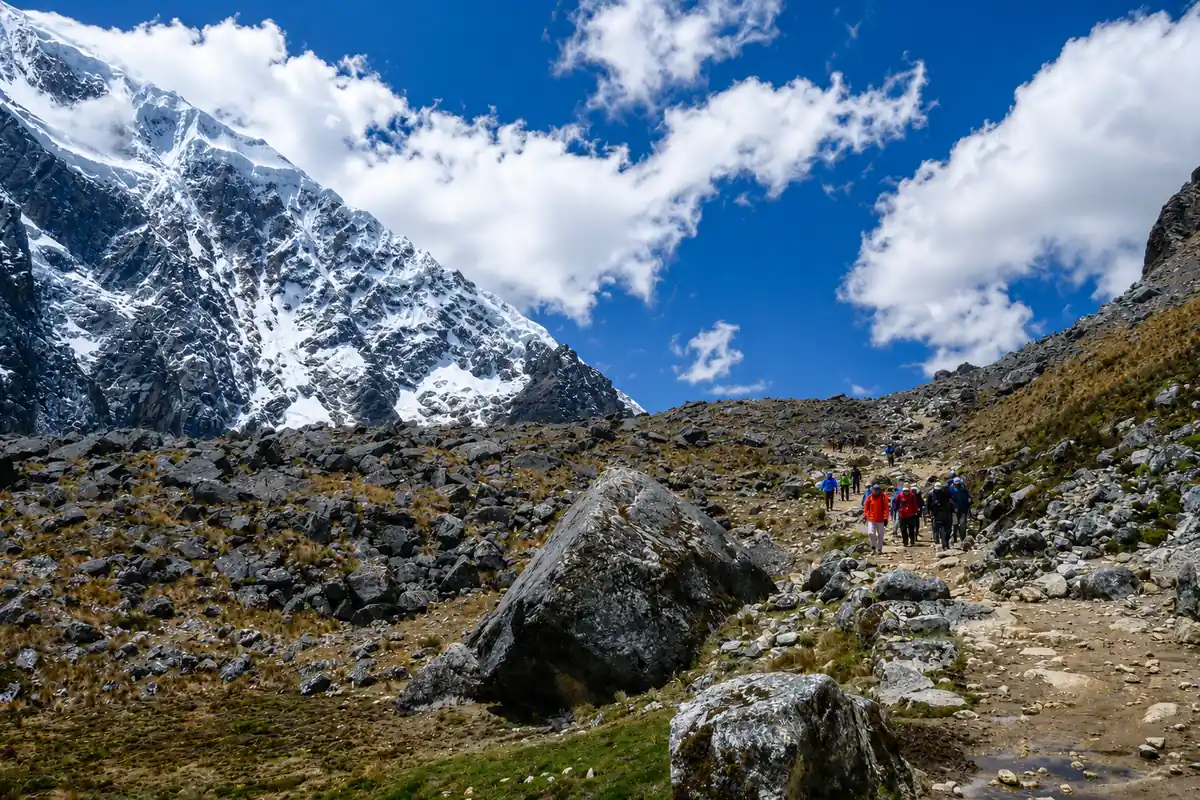
Salkantay is the route for travelers who want the Inca Trail’s drama without its permit bottleneck. There’s no daily quota and no advance government booking, so you can confirm a spot weeks, not months, ahead. The catch is altitude: the trek’s high point, Abra Salkantay (Salkantay Pass), sits at roughly 4,630 m (15,190 ft), noticeably higher than Dead Woman’s Pass on the Inca Trail. Most itineraries run 4 to 5 days and finish by connecting to the Hidroeléctrica route into Aguas Calientes. See our full Salkantay Trek options.
Choquequirao Trek: The Road Less Traveled
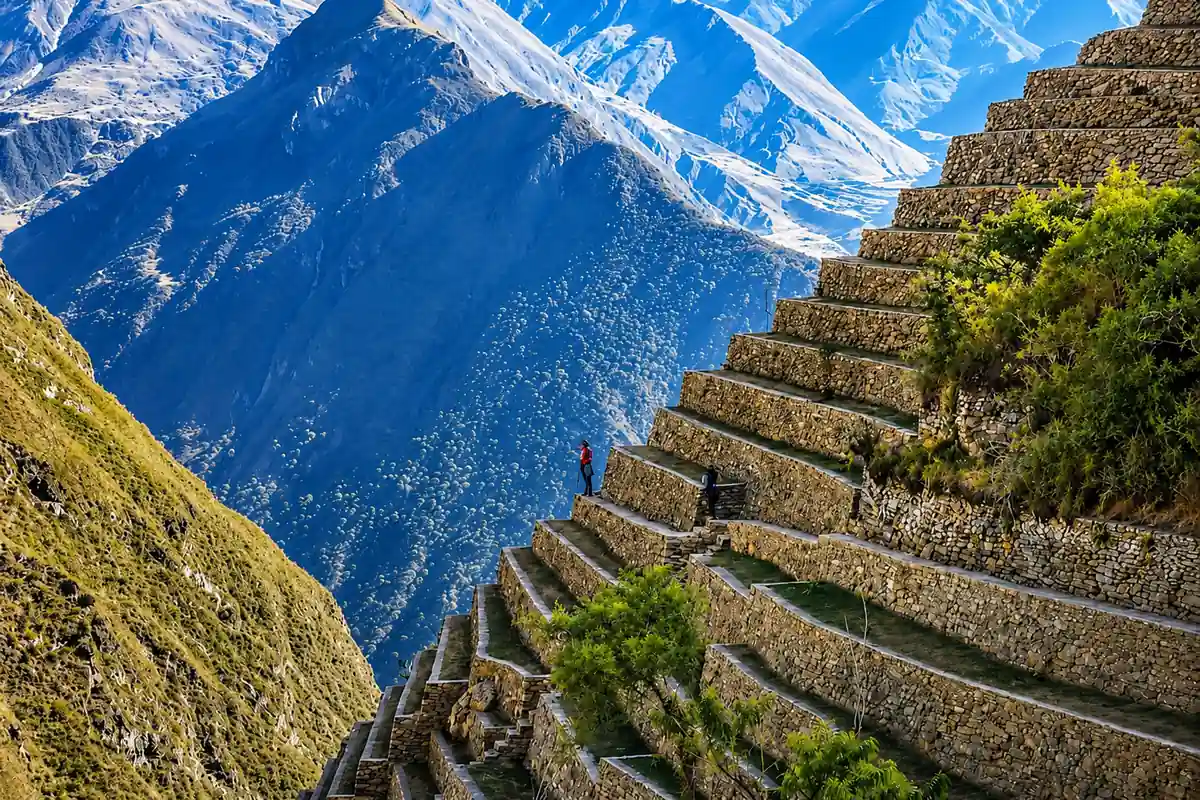
If solitude matters more to you than convenience, Choquequirao is the answer. The trek to Choquequirao itself, Machu Picchu’s lesser known “sister city,” still partly reclaimed by jungle, takes 4 to 5 days round trip from Cachora. Extend it into the full multi day crossing to Machu Picchu and you’re looking at 7 to 9 days through some of the most remote terrain in the Andes. It receives a fraction of Machu Picchu’s visitors, which is precisely the appeal. Explore the Choquequirao Trek.
Note: a cable car to Choquequirao has been announced but is not under construction. As of mid 2026 it remains in public tender, with contract award expected late in the year. Don’t plan around it yet.
Direct Train: The Fastest Way In
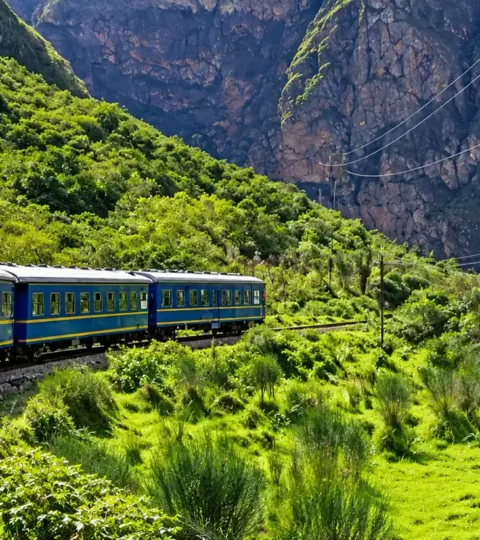
For travelers short on time, or simply not interested in multi day trekking, PeruRail and IncaRail run direct service from Ollantaytambo to Aguas Calientes in under two hours, with a scenic (if longer) departure available from Poroy, near Cusco. From Aguas Calientes, a 25 minute shuttle bus completes the trip to the citadel gates. It’s the only route that works comfortably for families, older travelers, or anyone visiting on a tight schedule.
By Car via Hidroeléctrica (+ Optional Train): The Budget Route
The most economical way in starts with an overland drive or van from Cusco to Hidroeléctrica. From there, most travelers walk the flat, 2 to 3 hour trail along the railway tracks into Aguas Calientes. It’s popular with budget travelers and often used as the final leg of the Salkantay trek.
There is also a train from Hidroeléctrica to Aguas Calientes, but treat it as a bonus, not a plan. It runs a single daily departure at 2:45 p.m., and it can’t be booked online. Seats sell out fast and have to be reserved in person, either at the Hidroeléctrica station itself or at a PeruRail office in Cusco. If you’re counting on it, get there early and have the walk as your backup.
Which Route Should You Choose?
| Route | Time Needed | Physical Level | Best For |
|---|---|---|---|
| Inca Trail Classic | 4 days | Moderate to High | Travelers planning months ahead who want the historic route |
| Salkantay Trek | 4 to 5 days | High (altitude) | Adventurers who can't secure an Inca Trail permit |
| Choquequirao Trek | 4 to 9 days | Very High | Experienced trekkers seeking solitude |
| Direct Train | Half-day | Minimal | Families, short schedules, comfort-first travelers |
| By Car via Hidroeléctrica (+ Optional Train) | 1 to 2 days | Low (flat walking) | Budget-conscious travelers |
The Last Mile: From Aguas Calientes to the Citadel
Every route funnels into Aguas Calientes (Machu Picchu Pueblo). From there, two options remain: a 25 minute shuttle bus, or a 1.5 to 2 hour uphill walk for those who’d rather save the fare. Whichever way you arrive, keep in mind the citadel operates on timed entry slots between roughly 6:00 a.m. and mid afternoon. It’s a detail that catches unprepared travelers off guard more than any trail ever does.