

Best months to visit Machu Picchu
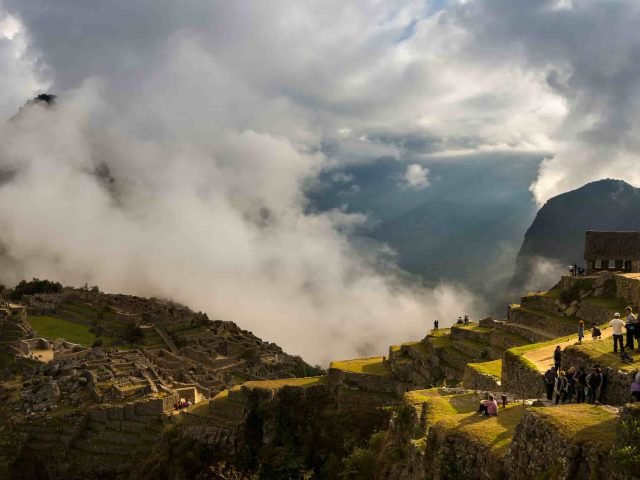
If you want stable skies and better views, aim for May–October, with May or October as sweet spots at the edges of peak season (dry weather but fewer crowds than June–August). From my own experience, May–October brings fewer weather surprises; I still pack a light rain layer because Machu Picchu sits in the cloud-forest foothills, and the weather can flip in minutes (yes, drizzle can happen even in the “dry” season).
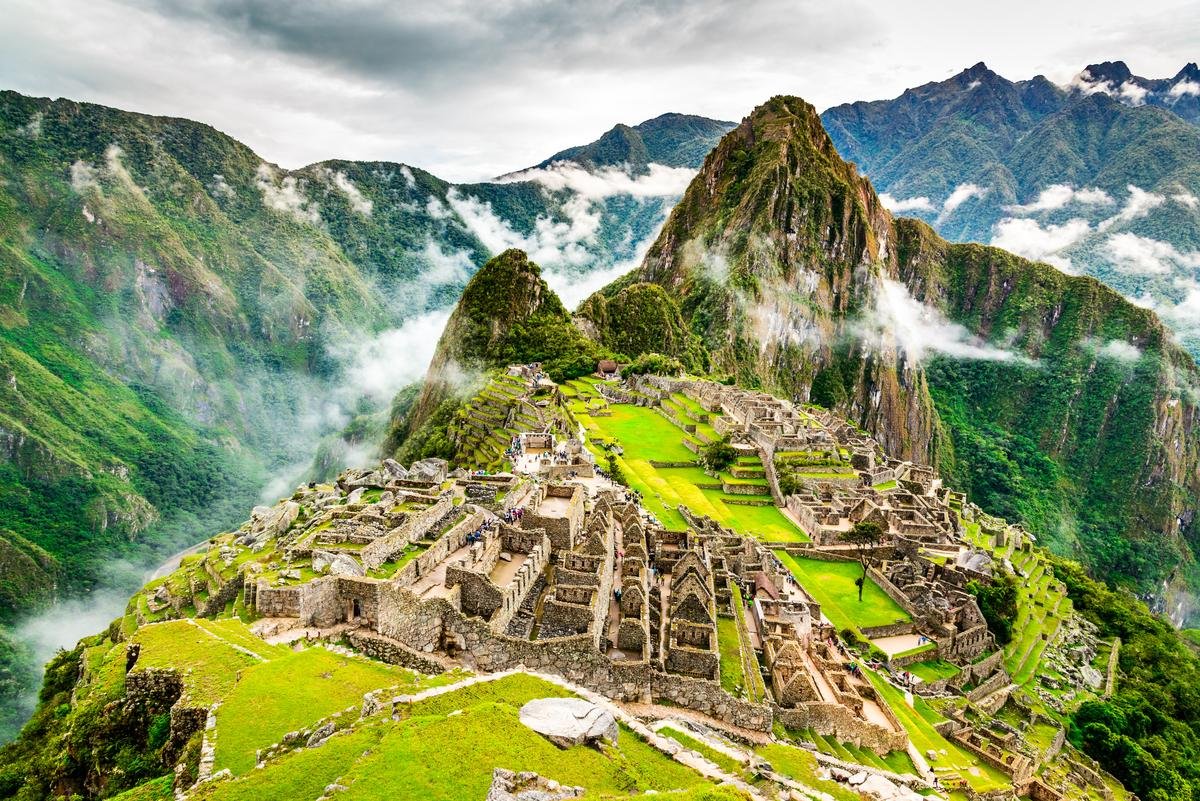
If your priority is culture, time the trip for June, around Inti Raymi (June 24): Cusco explodes with parades, traditional dances, and celebrations. Personally, if I could pick again, I’d go during the festivities—the energy is unbeatable (just expect bigger crowds and higher prices).
-
Consider avoiding if rain bothers you: January–March; note that the Inca Trail is closed in February for maintenance.
-
To save money and dodge crowds: look at April and November (transition months).
Seasons in Machu Picchu: dry vs. rainy
Dry season (roughly May–October)
-
Pros: lower chance of rain, clearer dawns, less slippery trails.
-
Cons: crowds in June–August due to vacations and Inti Raymi; higher prices and limited availability.
-
Personal tip: I book essentials early (tickets, train, guide). Even in dry months, I keep a packable poncho—cloud forest weather is capricious.
Rainy season (roughly November–March)
-
Pros: fewer people, better prices, lush green scenery with moody low clouds.
-
Cons: frequent showers, occasional trail disruptions, reduced visibility at viewpoints.
-
How I plan it: set a plan B time slot (morning vs. afternoon) and wear good-grip footwear.
Month-by-month: what to expect January–December
How to read this: weather = rain/visibility; crowds = ticket demand; prices = general trend. Conditions can vary day by day (micro-climate).
| Month | Weather | Crowds | Prices | Practical note |
|---|---|---|---|---|
| Jan | Rainy | Low–Med | Low | Lush green; use a backpack rain cover |
| Feb | Very rainy | Low | Low | Inca Trail closed; consider alternatives |
| Mar | Rain easing | Med | Low–Med | Transition month; start early for clearer windows |
| Apr | Mixed (improving) | Med | Med | Strong shoulder value: decent skies + savings |
| May | Dry begins | Med | Med | One of my favorites: good weather before the rush |
| Jun | Dry | High | High | Inti Raymi; great vibe—book everything early |
| Jul | Dry & cool | Very high | High | Crisp sunrises; bring layers |
| Aug | Dry | Very high | High | Global holidays; aim for earliest entry slots |
| Sep | Late-dry | High→Med | Med | Less packed than Aug; soft light for photos |
| Oct | Ideal shoulder | Med | Med | My other favorite: friendly weather, manageable flow |
| Nov | Rains return | Low–Med | Low–Med | Nice balance: fewer people + better prices |
| Dec | Rainy | Med | Med | Festive city vibe; keep camera rain cover handy |
Festivals & events: go when Cusco is celebrating
-
Inti Raymi (June 24) is the date. Expect traditional dances, school and university parades, and a unique buzz that—in my experience—levels up the whole trip.
-
How to handle these dates:
-
Book well in advance: Machu Picchu tickets, trains (Ollantaytambo ↔ Aguas Calientes), guides, and hotels.
-
Go early: first entry slots help you dodge part of the rush.
-
Structure your days: allocate time for Cusco & festivities, another for the Sacred Valley, and your Machu Picchu day with a buffer in case of weather hiccups.
-
Crowds & prices: how to dodge peaks and save
-
Best entry windows: first thing in the morning or late afternoon (nicer light, fewer groups).
-
Days: mid-week is usually calmer than weekends.
-
Busiest months: June–August (Inti Raymi + global vacations).
-
Smart savings: consider April and November; in my experience they’re edge months with workable weather and happier budgets.
Permits & tickets: when and where to book (no headaches)
-
Official Machu Picchu tickets: buy in advance on the government site:
👉 https://tuboleto.cultura.pe/inicio
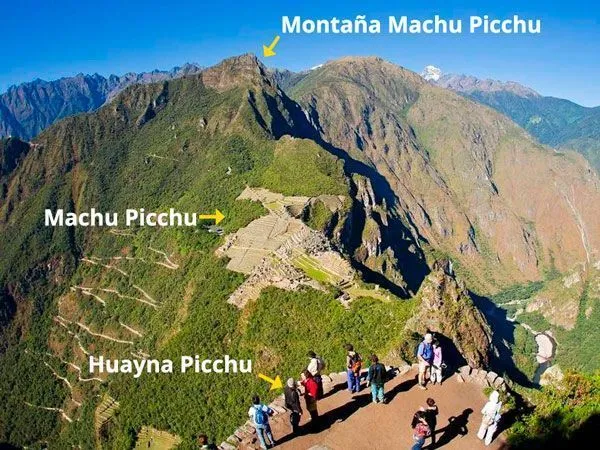
Choose your circuit and, if you want, Huayna Picchu or Machu Picchu Mountain (these sell out fast in peak season). -
Agencies: if you prefer a one-stop solution, a reliable agency can handle trains, transfers, lodging, and a guide. I’ve used one in high season—it saves time and stress.
-
Inca Trail: remember February is closed for maintenance. If your dates fall then—or permits are gone—switch to alternatives.
Micro-climate tips: cloud-forest = changeable weather
-
Plan for “four seasons in a day”: base layer + mid layer + rain shell.
-
Footwear with good traction (polished stone + light rain = slippery).
-
Rain protection for your pack and dry bags for camera/phone.
-
Hydration & snacks: the humidity and stairs add up.
-
Personal note: even in May–October I’ve hit surprise drizzle; a tiny poncho has saved both photos and hikes.
Inca Trail alternatives (and for February)
-
Salkantay: tougher, epic high-Andes + cloud-forest combo.
-
Lares: cultural focus with hot springs.
-
Quarry (Cantera): quieter, solid option when permits are tight.
-
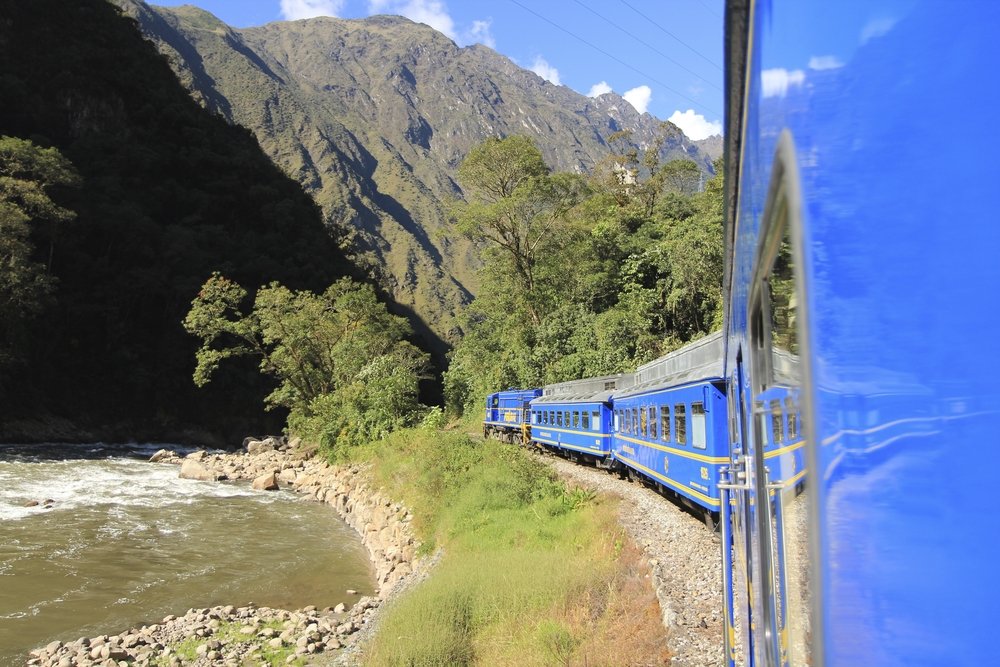
Train + bus: the classic, direct route to Aguas Calientes and shuttle up.
Conclusion
If I had to pick, May or October strike the best balance of weather and crowds. June–July are magical for Inti Raymi and Cusco’s festive mood, but demand early planning (tickets, train, guide, hotel). Whatever month you choose, remember it’s cloud-forest country: have Plan A/B, dress in layers, and keep a rain shell handy. And book via tuboleto.cultura.pe early to secure your circuit and, if you fancy it, Huayna Picchu.
FAQs
Is there a single “best” month?
No universal winner, but May (start of dry) and October (end of dry) often hit the best overall balance.
Can I visit in the rainy season?
Yes. You’ll get fewer people and better prices—just prep a backup time slot in case of rain.
When should I buy tickets?
In peak season (Jun–Aug), as early as possible. Use tuboleto.cultura.pe to pick date/time/circuit weeks or months ahead.
Is the Inca Trail open year-round?
No. It closes in February.