
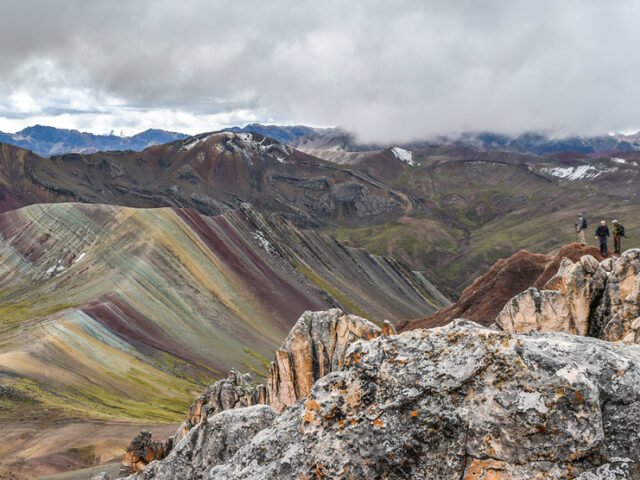
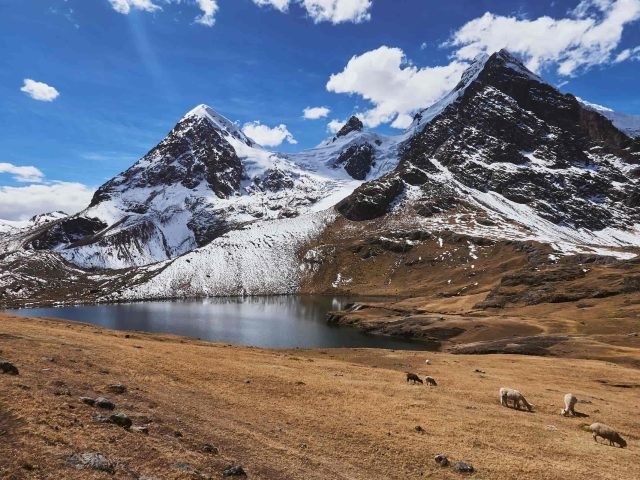
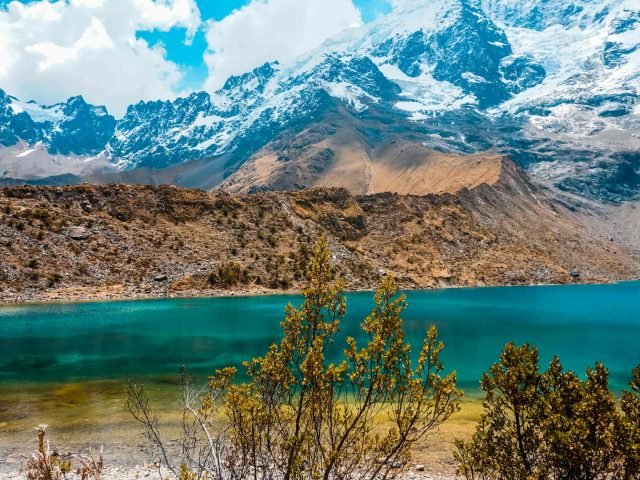
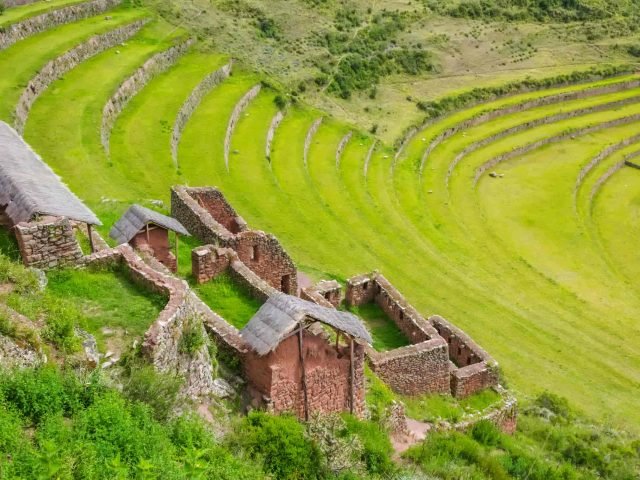
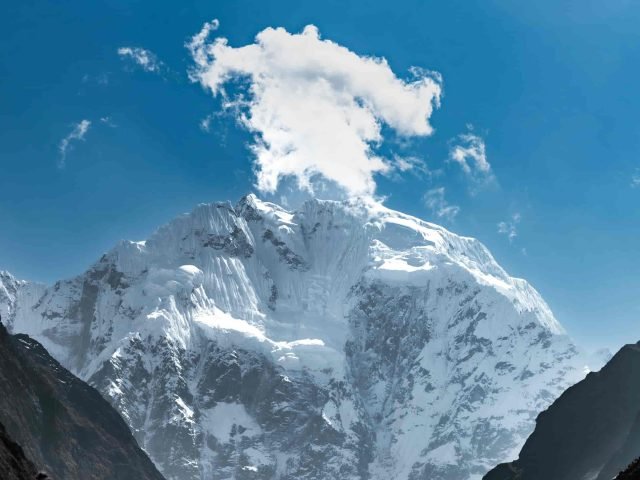
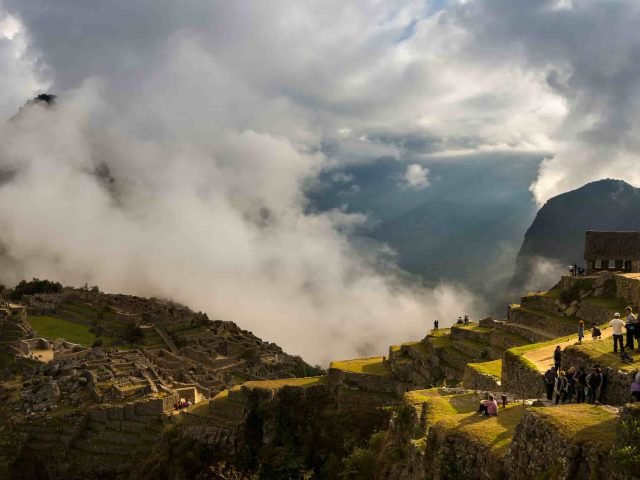



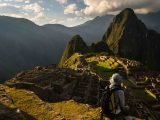
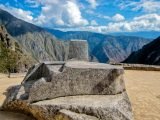
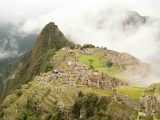
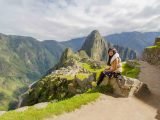
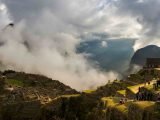
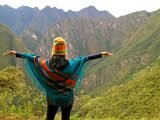
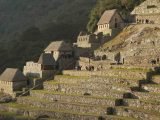
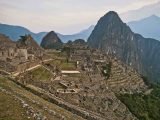
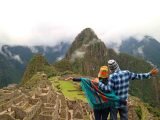
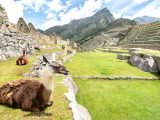
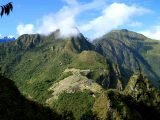
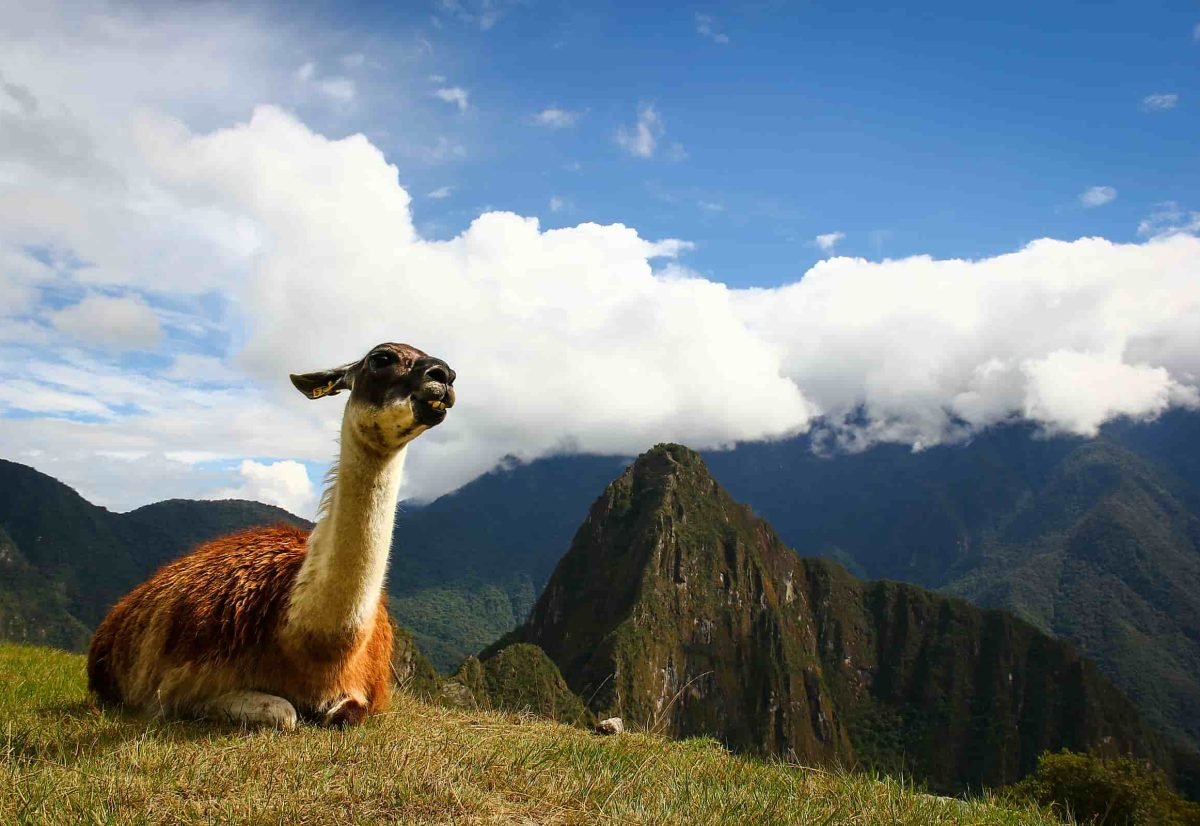
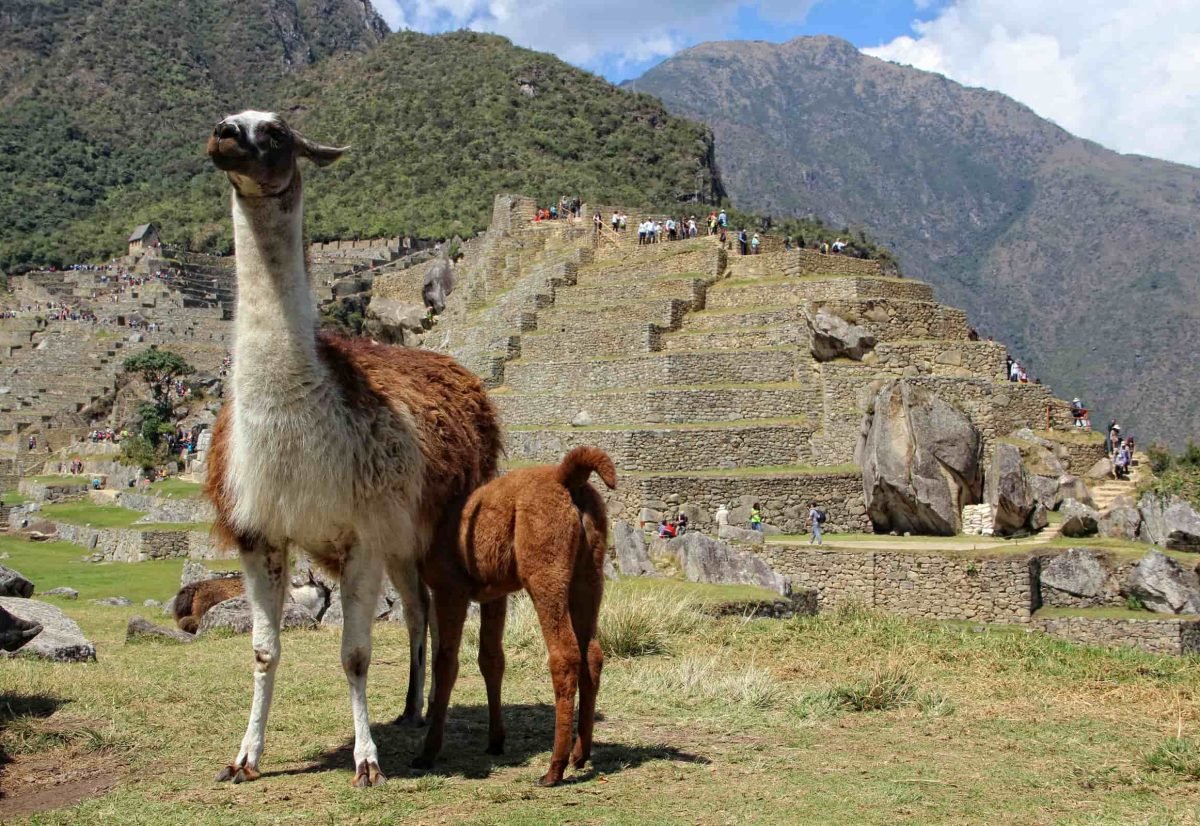
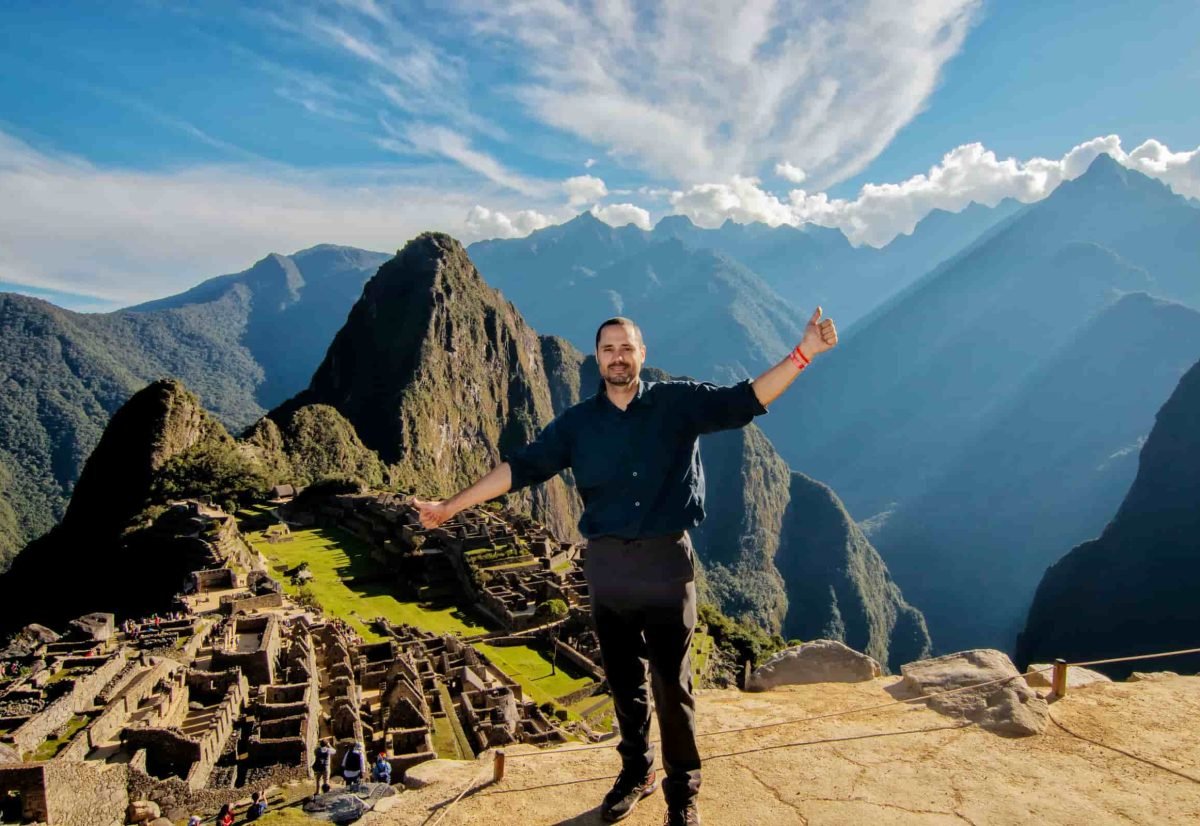
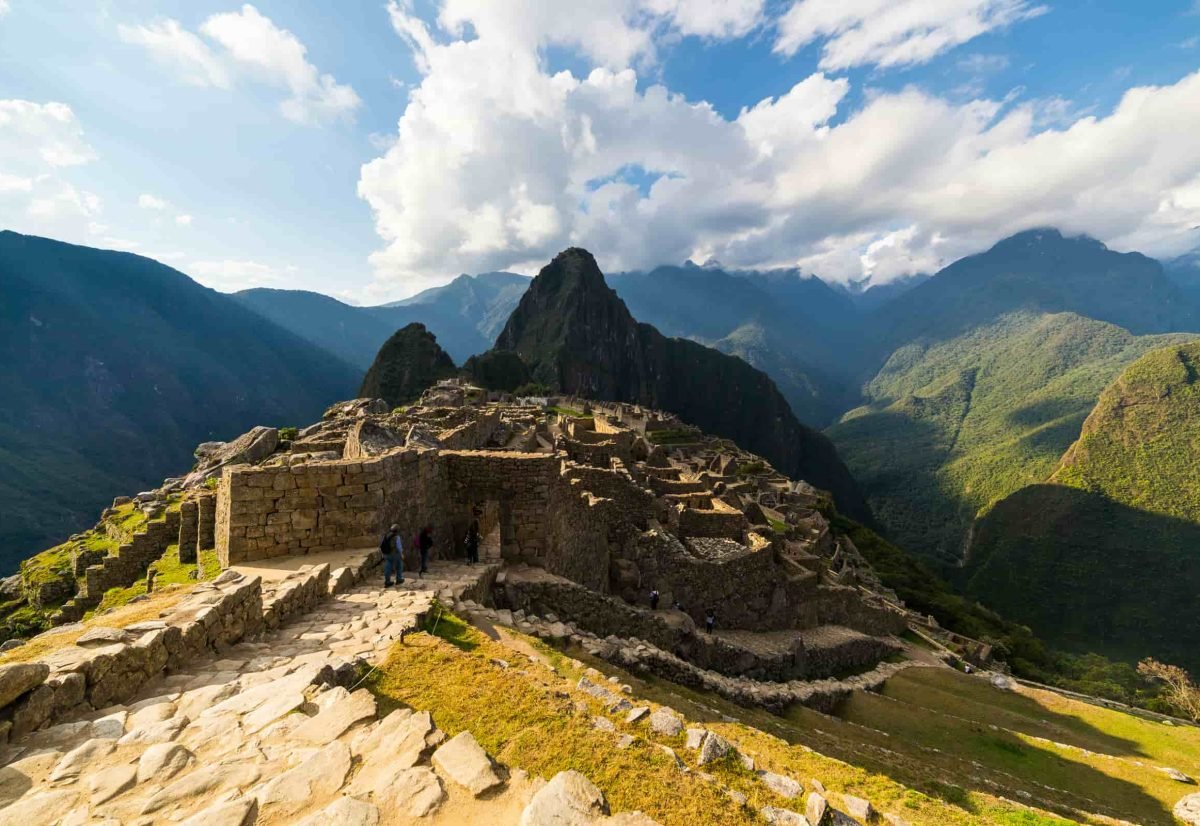
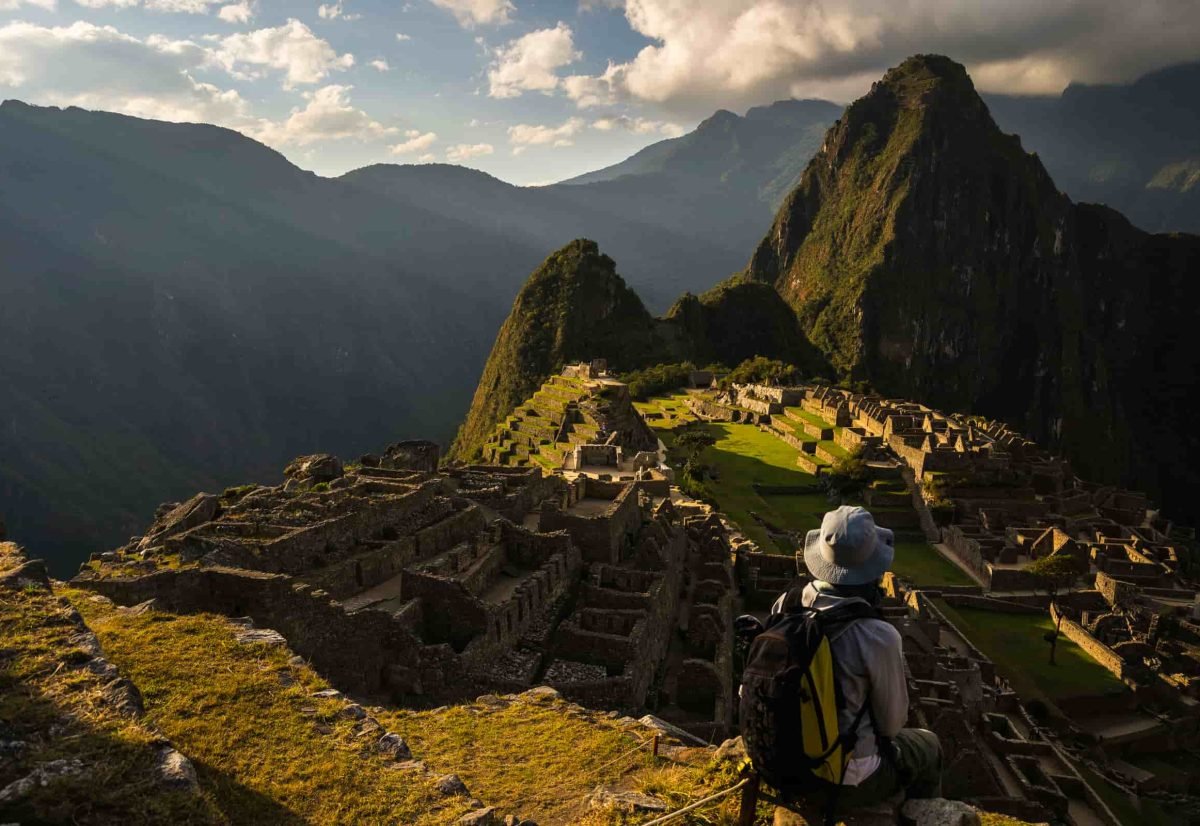
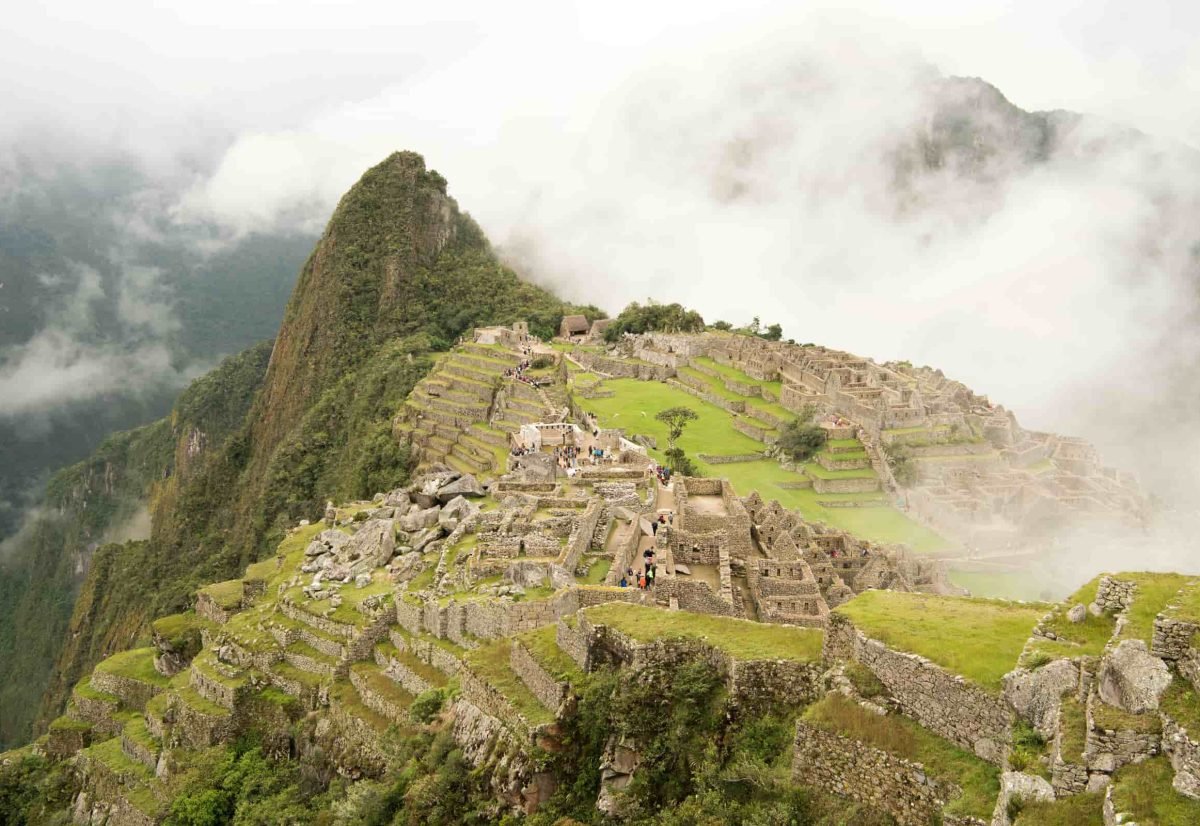
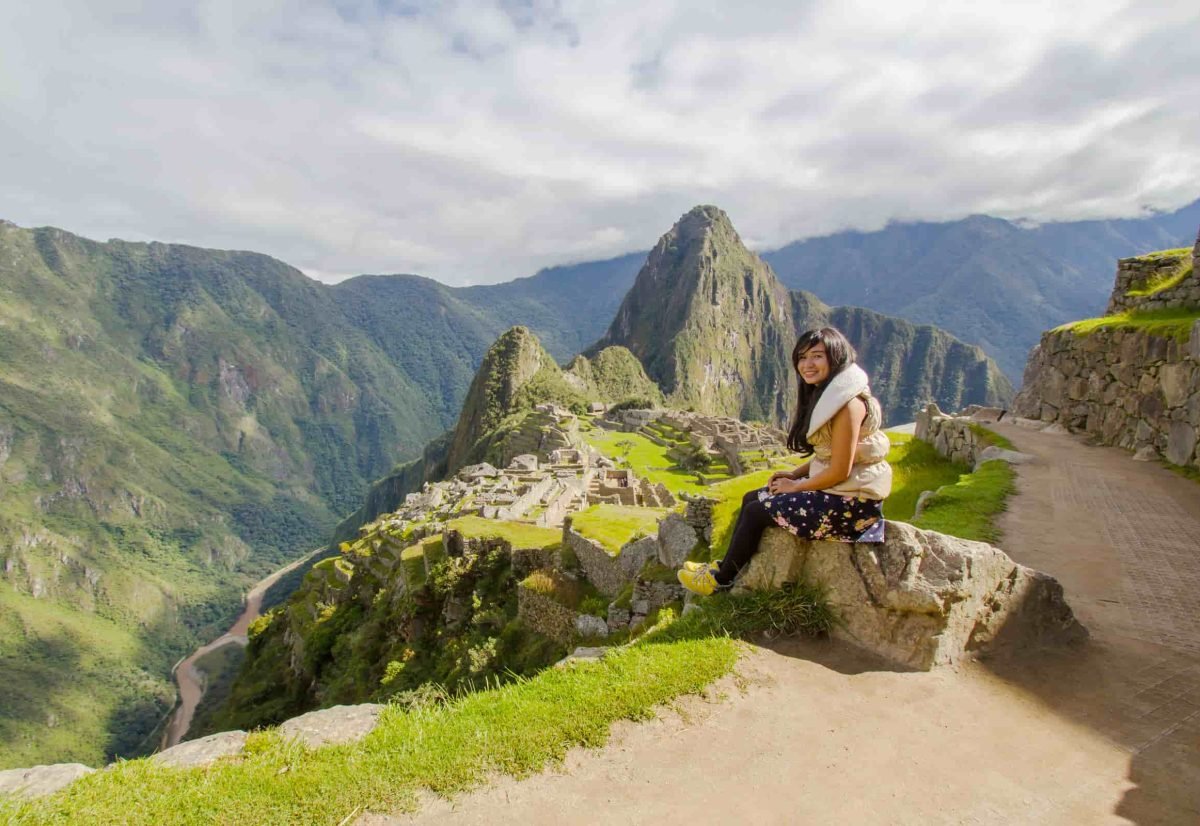
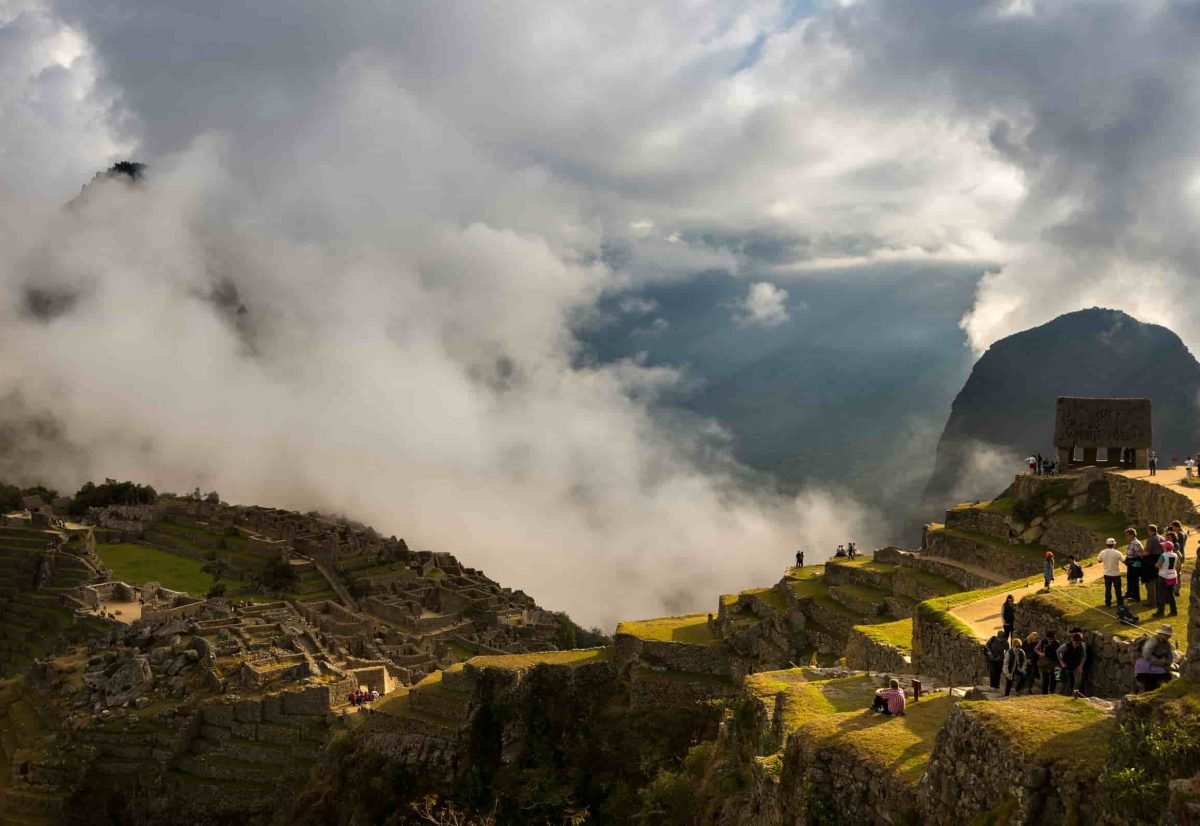
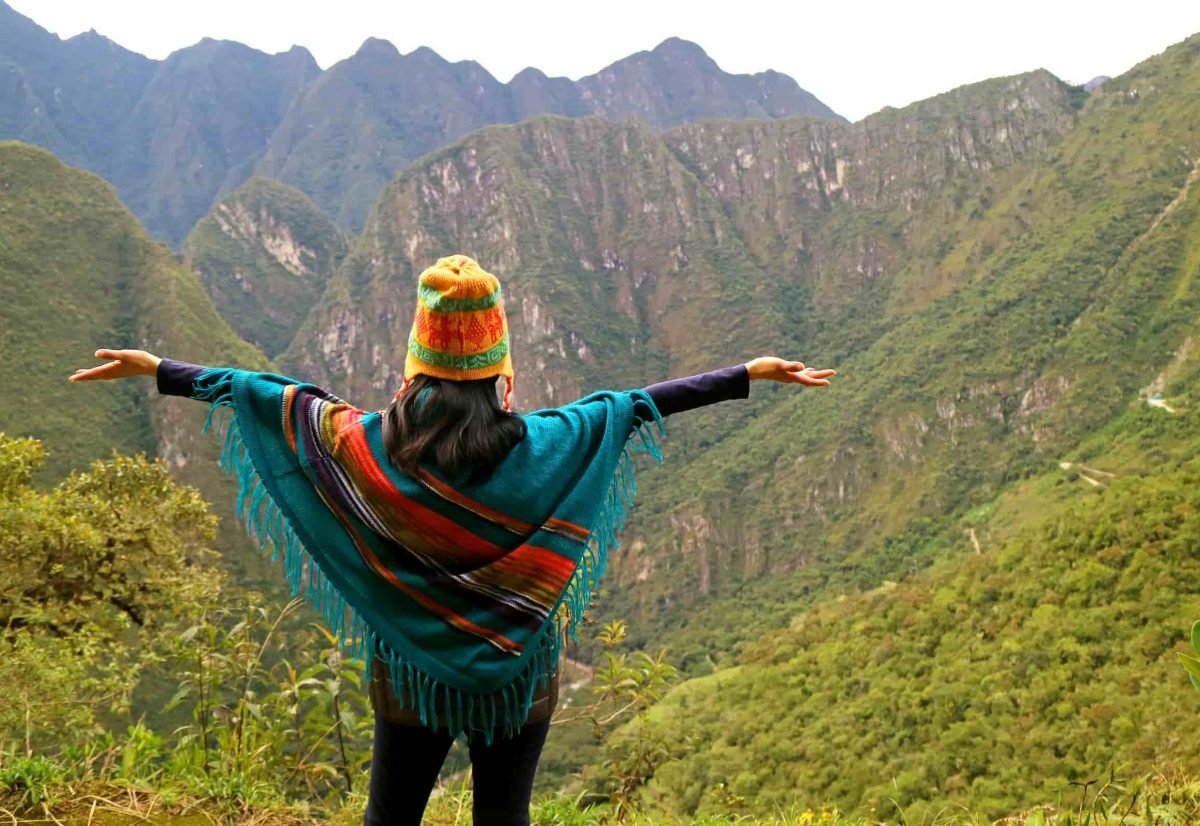
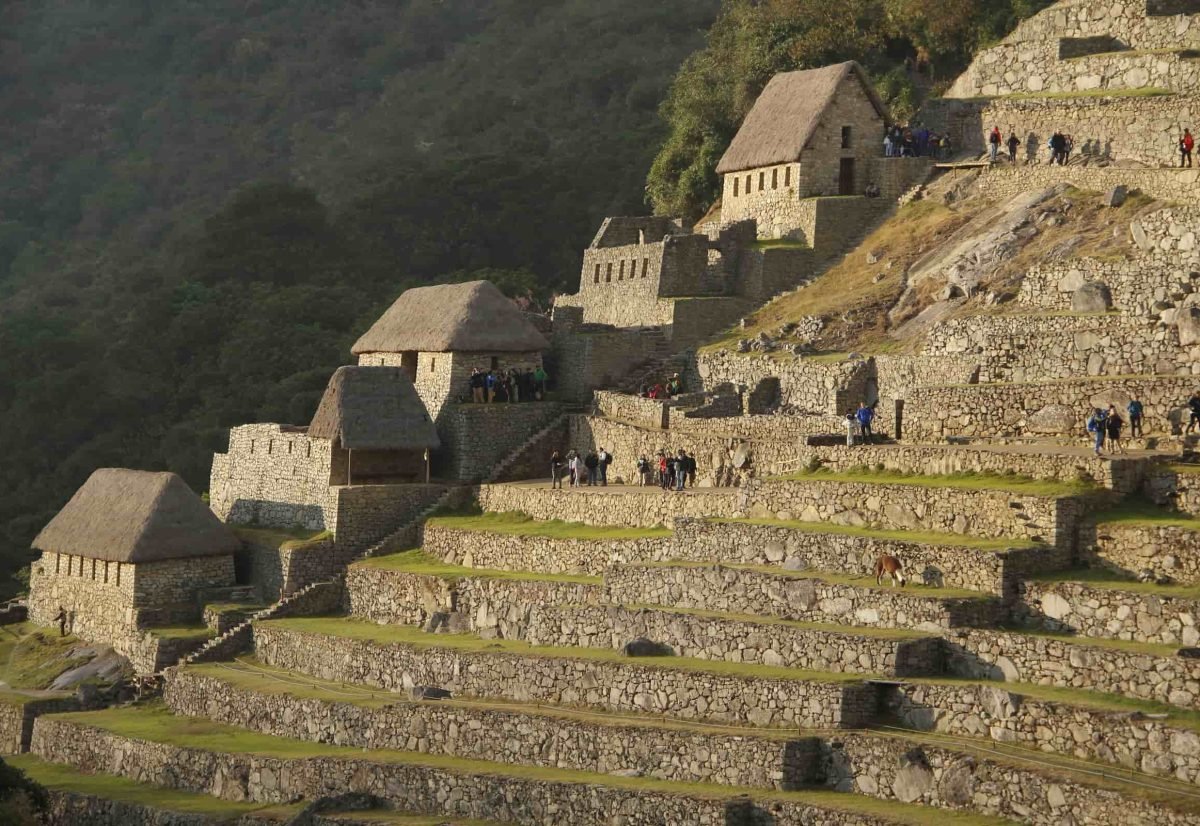
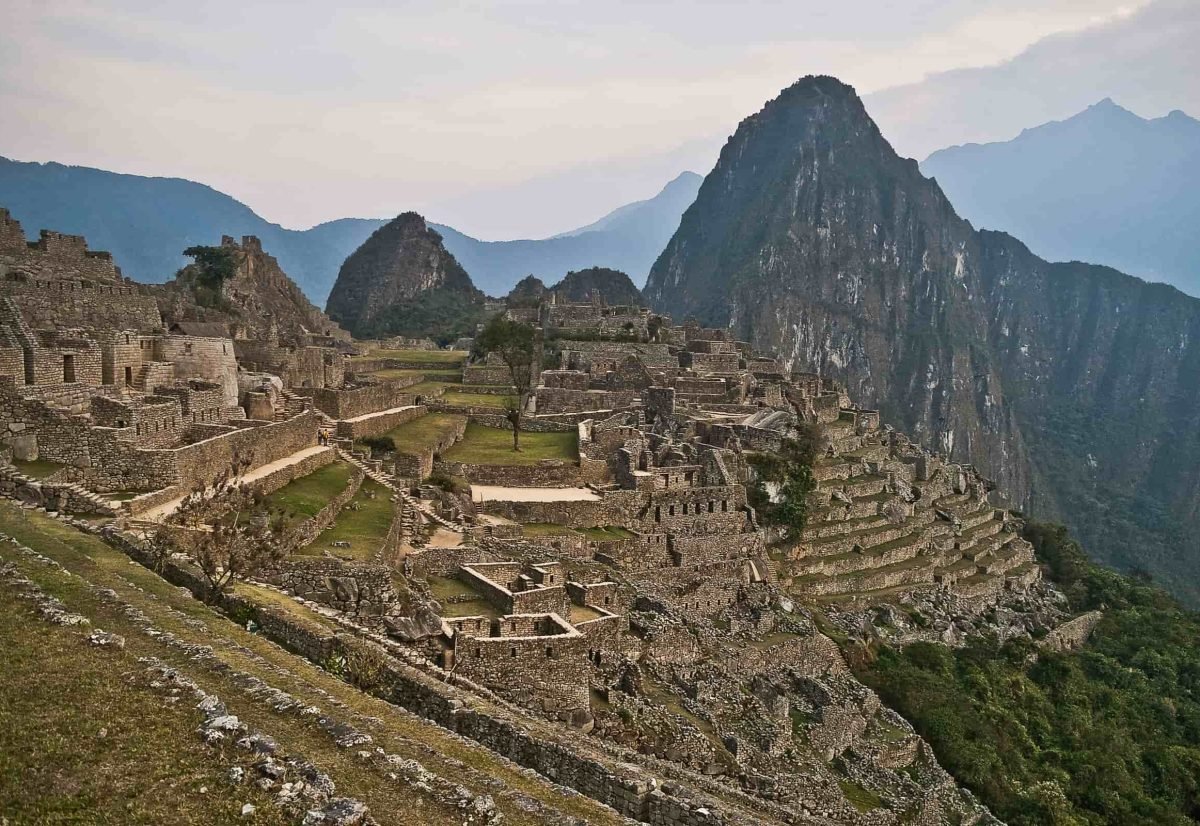
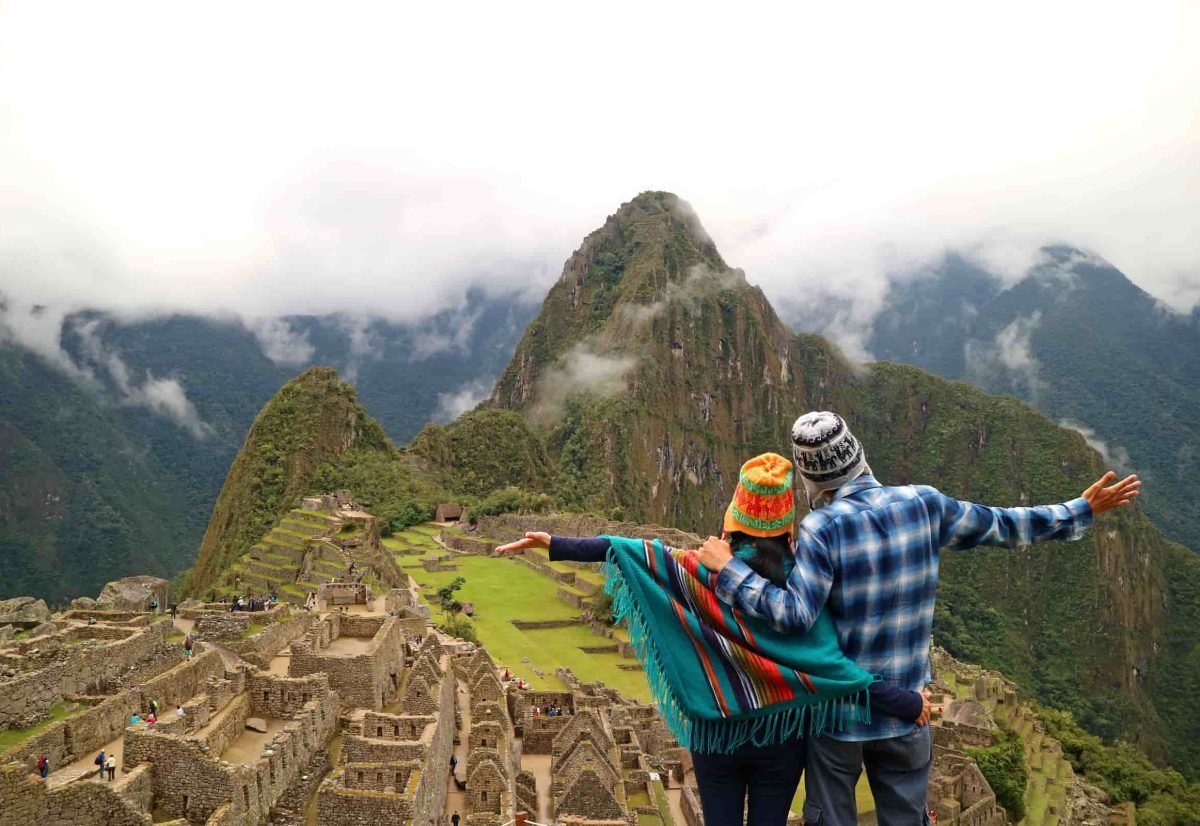
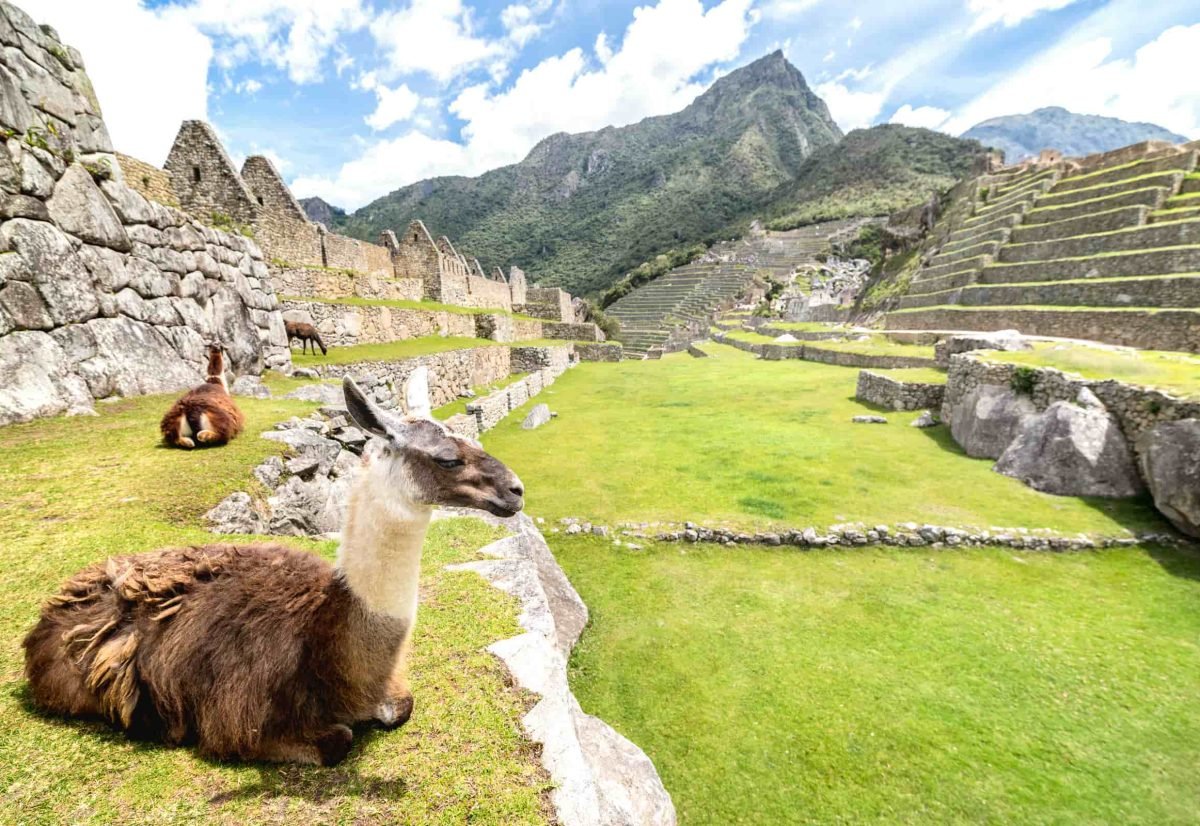
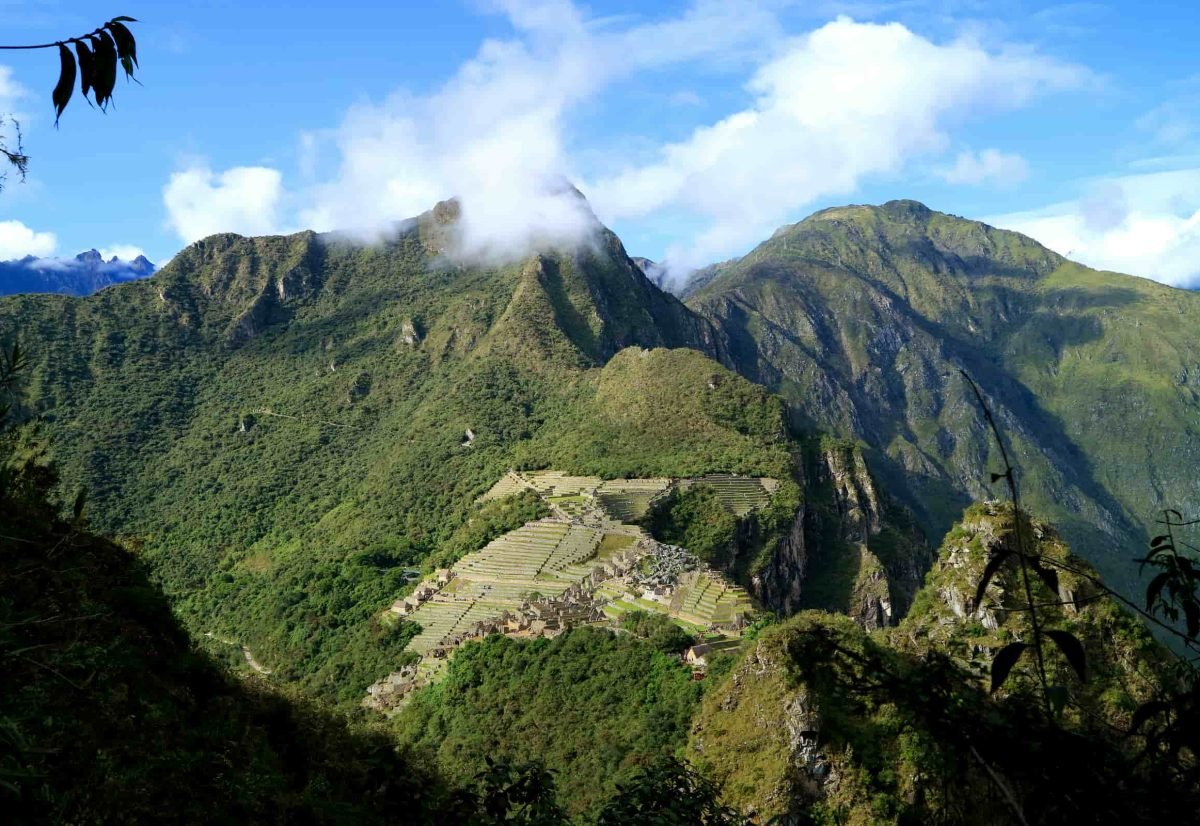
The Classic Inca Trail 4 Days is the most popular trekking route in Peru and one of the most iconic hikes on the planet. It is recognized as a UNESCO World Heritage route because it combines history, culture, and nature in a single unforgettable experience. Travelers walk the same paths the Incas once used to reach Machu Picchu, surrounded by snowcapped mountains, lush valleys, and the mystical cloud forest.
This trail is not just about the destination but also the journey. Along the way, trekkers discover ancient ruins hidden in the mountains, cross breathtaking passes, and camp under clear Andean skies. Each day offers a new challenge and a new reward, making the Classic Inca Trail 4 Days a complete adventure that blends physical effort with cultural discovery.
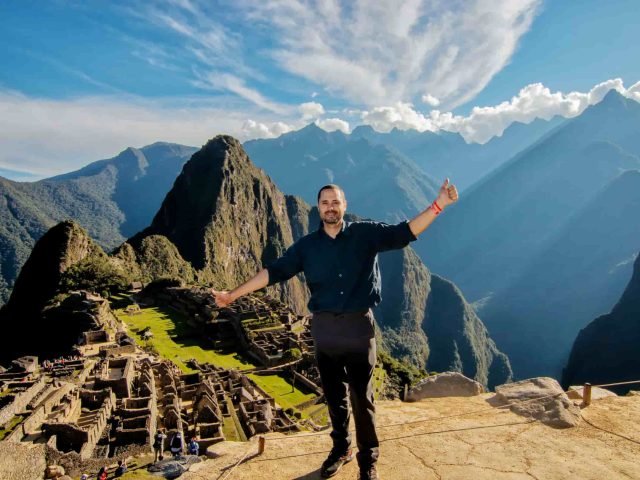
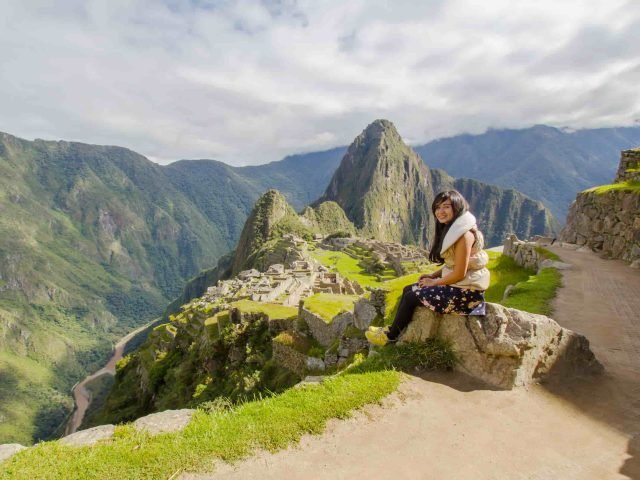
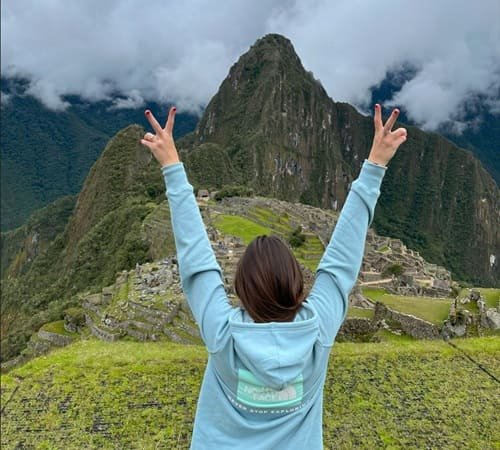
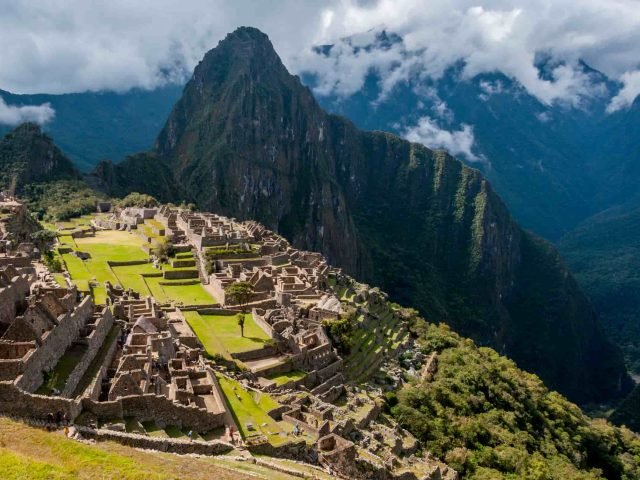
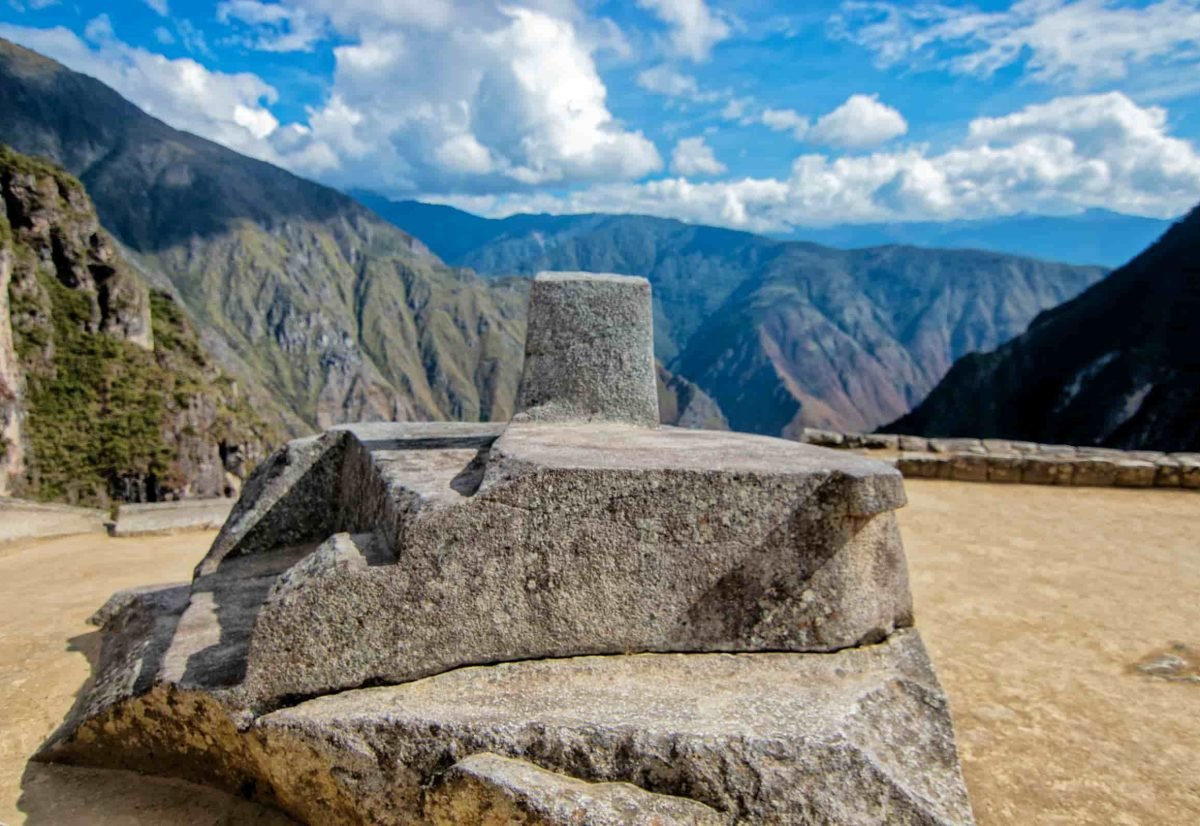
At the end of the trek, the ultimate reward awaits: arriving at Machu Picchu through the Sun Gate at sunrise. Few travel experiences in the world can match the emotion of that moment, when the first light of the day illuminates the lost citadel of the Incas.
At a glance
The Classic Inca Trail 4 Days is often fully booked months in advance, especially in high season. Travelers who want to secure their place should plan early, as no extra spaces are released once the official permits sell out.
The adventure of the Classic Inca Trail 4 Days begins early in the morning with hotel pick-up in Cusco between 5:30 and 6:00 a.m. From here, travelers embark on a scenic two-hour drive across the Sacred Valley to reach Km 82 (Piscacucho), the official starting point of the legendary trail.
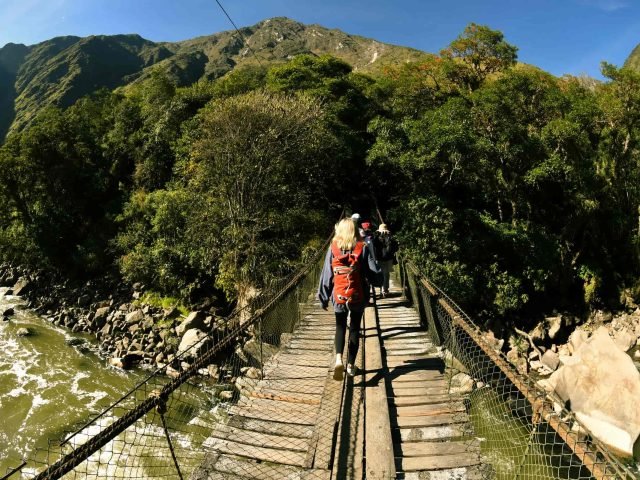
After checking permits and crossing the Urubamba River, trekkers officially step onto the ancient stone paths built by the Incas. The first section of the trail is relatively easy compared to the days ahead, designed to help hikers acclimate gradually to both the altitude and terrain.
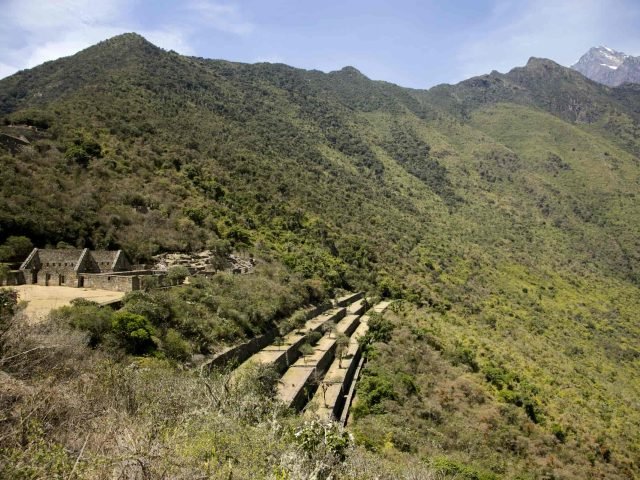
Throughout the day, the path reveals breathtaking landscapes: fertile valleys, snowcapped peaks in the distance, and lush vegetation lining the route. The highlight of the day is the impressive Llactapata archaeological site, an Inca settlement that served as a resting point and checkpoint for travelers centuries ago. Its terraces and ruins provide the first real glimpse into the grandeur of Inca engineering.
As the afternoon approaches, the trail continues with a gentle ascent toward Wayllabamba, the first campsite of the trek. Located at an altitude of 3,000 meters (10,830 feet), this campsite offers a peaceful valley setting surrounded by mountains and the soothing sounds of nature. Upon arrival, porters set up camp while the cooks prepare a warm meal, allowing trekkers to relax, enjoy the scenery, and prepare mentally for the more challenging climb of Day 2.
Day 1 Trekking Details
Included on Day 1
Day two of the Classic Inca Trail 4 Days is famous for being both the toughest and most rewarding section of the trek. After an early breakfast at the Wayllabamba campsite, trekkers begin the long ascent toward the highest point of the entire route: Warmiwañusca Pass, better known as Dead Woman’s Pass.
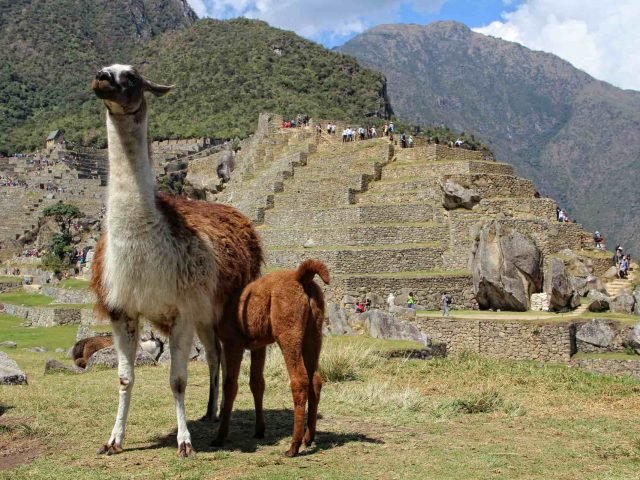
The climb is steep and demanding, taking hikers through varied landscapes that shift from lush valley vegetation into high-altitude puna grasslands. Along the way, llamas and alpacas may be seen grazing, and the crisp mountain air becomes noticeably thinner with each step.
After hours of effort and steady pacing, trekkers reach the summit at 4,215 meters (13,780 feet). Standing on Dead Woman’s Pass is a moment of triumph, offering panoramic views of the surrounding Andean peaks and valleys. For many travelers, this is the most emotional and memorable milestone of the entire Classic Inca Trail.
From the summit, the trail descends into the Pacaymayo Valley, where the landscape transforms once again, with streams, native vegetation, and the first signs of cloud forest. The descent is a welcome relief after the tough climb, though it requires care on the Inca stone steps.
The day ends at the Pacaymayo campsite, located at 3,700 meters (12,140 feet). Here, trekkers enjoy a hot meal, relax, and prepare for another exciting day filled with Inca ruins and cloud forest magic.
Day 2 Trekking Details
Included on Day 2
Day three of the Classic Inca Trail 4 Days is often considered the most beautiful and culturally rich section of the trek. After the challenging climb of day two, this stage offers a more balanced journey, with a mix of ascents, descents, and numerous opportunities to explore remarkable Inca ruins.
The day begins with a gradual ascent to the Runkurakay Pass at 3,850 meters (12,630 feet). Just before the pass lies the small circular site of Runkurakay, believed to have been a watchtower or checkpoint used by the Incas. From the top, the views of the surrounding valleys are breathtaking.
The trail then descends to visit the fortress-like Sayacmarca, an impressive site perched dramatically on the mountainside. This complex reveals the strategic importance of the Inca Trail as part of their communication and defense network.
Continuing through cloud forest paths, trekkers reach Phuyupatamarca, known as the “Town in the Clouds.” This site is famous for its panoramic vistas, ceremonial fountains, and finely designed stairways. It provides one of the most photogenic moments of the trek.
The final stretch leads through stone-paved paths, lush vegetation, waterfalls, and scenic overlooks, before arriving at Wiñay Wayna, one of the most spectacular archaeological sites on the trail. Its terraced slopes, ceremonial areas, and connection with water channels showcase the ingenuity of Inca agriculture and spirituality.
Campsite for the third night is located near Wiñay Wayna, at 2,600 meters (8,530 feet). This is the last camp of the Classic Inca Trail 4 Days, and trekkers spend the evening surrounded by history and the anticipation of reaching Machu Picchu the next morning.
Day 3 Trekking Details
Included on Day 3
The final day of the Classic Inca Trail 4 Days begins in the early morning hours, filled with excitement and anticipation. After a light breakfast at the Wiñay Wayna campsite, trekkers set out before dawn, hiking along stone paths toward the legendary Inti Punku, the Sun Gate.
As the sky begins to lighten, travelers arrive at this sacred viewpoint. From here, the reward of four days of effort is revealed: the first breathtaking sight of Machu Picchu illuminated by the morning sun. This unforgettable moment is often described as the highlight of the entire journey, a mix of joy, accomplishment, and awe.
After taking time to enjoy the panoramic view, hikers descend gradually into the citadel itself. A professional guide leads a detailed tour lasting two to two and a half hours, exploring the temples, plazas, terraces, and mysteries of this World Wonder. Visitors learn about the history, architecture, and cultural significance of Machu Picchu while walking through its most iconic sectors.
Following the guided visit, trekkers have free time to explore Machu Picchu on their own, capture memorable photos, or simply absorb the energy of this ancient sanctuary. By early afternoon, the journey continues with a bus ride down to Aguas Calientes, where lunch and relaxation await.
From Aguas Calientes, the adventure concludes with a scenic train journey back to Ollantaytambo, followed by a private transfer to Cusco, arriving in the evening. By the end of the day, hikers not only reach Machu Picchu but also carry with them the memories of one of the world’s most iconic trekking experiences.
Day 4 Trekking Details
Included on Day 4
Highlights of Day 4
When booking the Classic Inca Trail 4 Days, everything is carefully organized so travelers can focus on the experience. The package covers transportation, permits, meals, camping gear, and professional support throughout the trek.
🚐 Transportation
🏛️ Permits & Entrance Fees
🧭 Pre-Trek Briefing
🏕️ Camping & Porter Service
🧑🏫 Professional Guides
🍽️ Meals
⛺ Camping Equipment
🛟 Safety Equipment
🚌 Bus & Train Tickets
🚻 Private Toilets
Certain items are not included in the Classic Inca Trail 4 Days package. These can be arranged separately or brought by the traveler:
🎒 Personal Equipment Rentals
🛡️ Travel Insurance
💰 Gratuities (Tips)
🥤 Extra Snacks & Drinks
🏨 Accommodation in Cusco
Preparing the right gear is essential for a safe and enjoyable Classic Inca Trail 4 Days. The weather and terrain vary drastically, from warm valleys to cold mountain passes and humid cloud forests. A smart packing strategy will make the trek more comfortable and help you focus on the experience.
Planning to hike the Classic Inca Trail 4 Days requires preparation and the right mindset. Below is a practical travel guide with tips and recommendations to ensure a smooth and rewarding experience.
1. How difficult is the Classic Inca Trail 4 Days?
The trek is considered moderate to challenging. The main difficulty comes from altitude and steep climbs, especially on Day 2 when you cross Dead Woman’s Pass at 4,215 m. With proper acclimatization and a reasonable fitness level, most travelers can complete it successfully.
2. How far in advance should I book the Inca Trail?
Permits are limited to 500 people per day (including guides and porters). In high season (May–September), spots sell out 6–8 months in advance. Booking early is essential to secure your place.
3. Do I need to acclimatize before the trek?
Yes. It is strongly recommended to spend 2–3 nights in Cusco or the Sacred Valley before starting. This allows your body to adjust to the altitude and reduces the risk of altitude sickness.
4. What permits are included in the price?
The package includes the official 4-day Inca Trail permit and the Machu Picchu entrance ticket (Circuit 2). Optional climbs like Huayna Picchu or Machu Picchu Mountain require separate permits.
5. Are porters included?
Yes. Professional porters carry camping gear, food, and your duffle bag (up to 7 kg). This allows you to hike with only a small daypack.
6. What kind of food is provided?
Meals are freshly prepared by experienced cooks. Expect a mix of Peruvian and international dishes, including breakfast, lunch, dinner, and snacks. Vegetarian, vegan, or other dietary options are available at no extra cost with prior notice.
7. What happens if I cannot finish the trek?
In case of illness, injury, or altitude problems, guides will assist and arrange alternative transport (at your expense) to Machu Picchu or Cusco. Safety is always the top priority.
8. Is there a limit on group size?
Yes. Groups are usually 8–16 trekkers, with a maximum of 12 per guide. Larger groups include an assistant guide to ensure personalized attention.
9. What is the best time of year to do the Classic Inca Trail 4 Days?
The dry season (May to October) is the best time for clear views and safer trail conditions. The trail is closed every February for maintenance.
10. Is travel insurance required?
It is not mandatory but highly recommended. Insurance should cover trekking at altitude, medical emergencies, trip cancellations, and lost baggage.
11. Can children do the trek?
Yes, children aged 8 and up can join, provided they are physically fit and accustomed to walking long distances. Families often choose private service for more flexibility.
12. What is the maximum altitude of the trek?
The highest point is Warmiwañusca (Dead Woman’s Pass) at 4,215 m / 13,780 ft. This is the main challenge of the trek, followed by a steady descent.
Get Ready to Explore? With your booking confirmed, all that's left to do is pack your bags and get ready to explore. Whether you're a seasoned traveler or embarking on your first journey, we'll be with you every step of the way. At Machu Picchu Elevation, we believe that every journey begins with a single step. So why wait? Start your adventure today and let the world be your guide.





 Map of : Classic Inca Trail 4 Days
Book fast and easy on our website and keep track of your reservation with our most advanced booking system, be updated on our discounts every week.
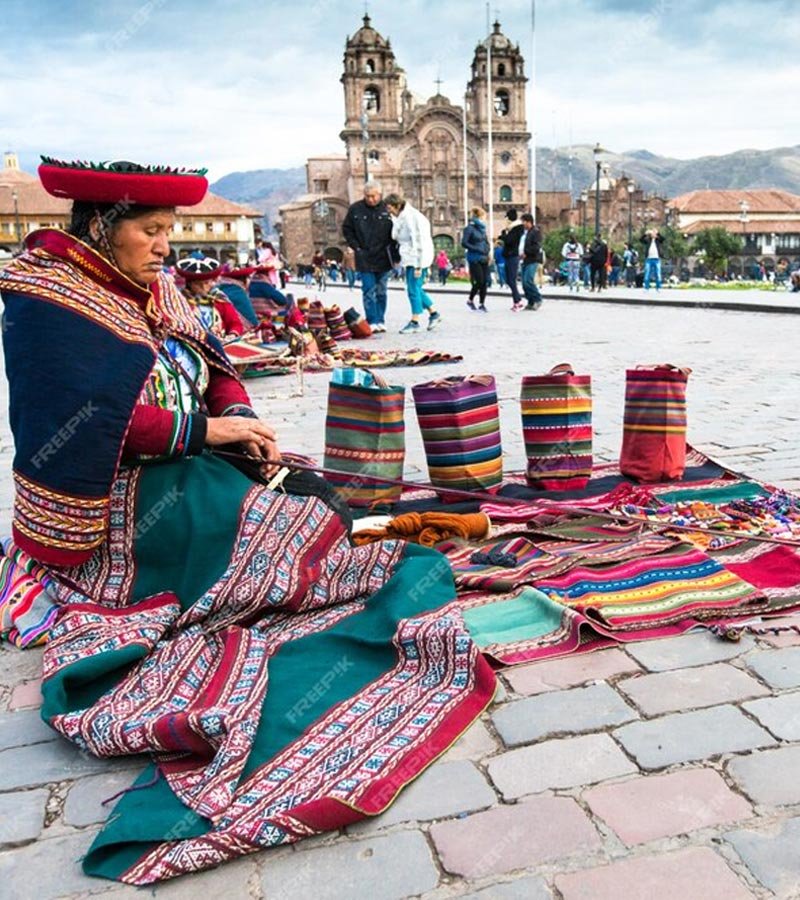
Cusco, the ancient capital of the Inca Empire, is one of the most popular destinations for adventure treks in South Amer
Read moreThe Inca Trail is a world-renowned hiking trail that leads to the iconic Machu Picchu in Peru. The trail is a combinatio
Read moreMachu Picchu is a stunning 15th-century Inca ruin located high in the Andes Mountains of Peru. It is considered one of t
Read more